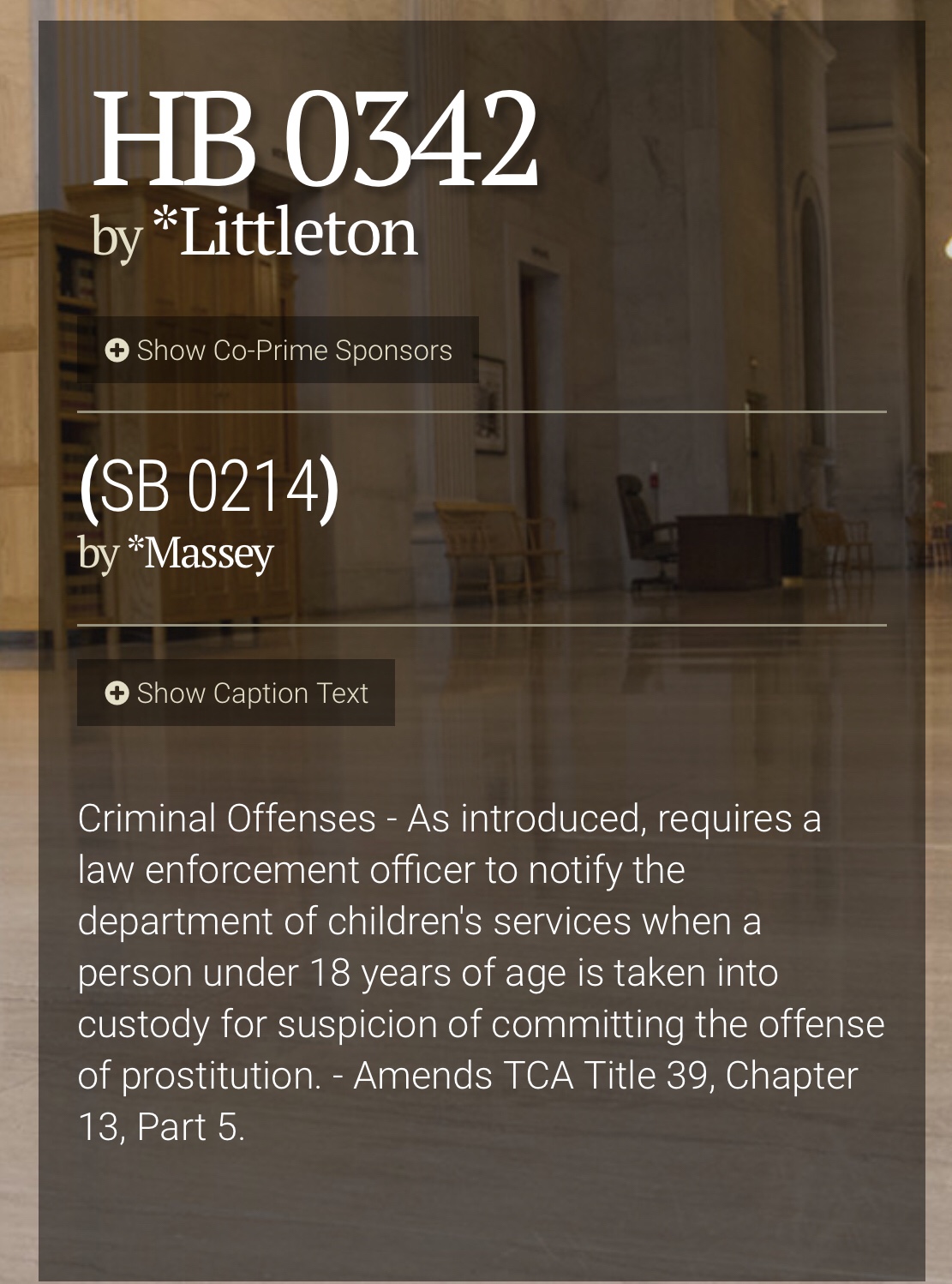
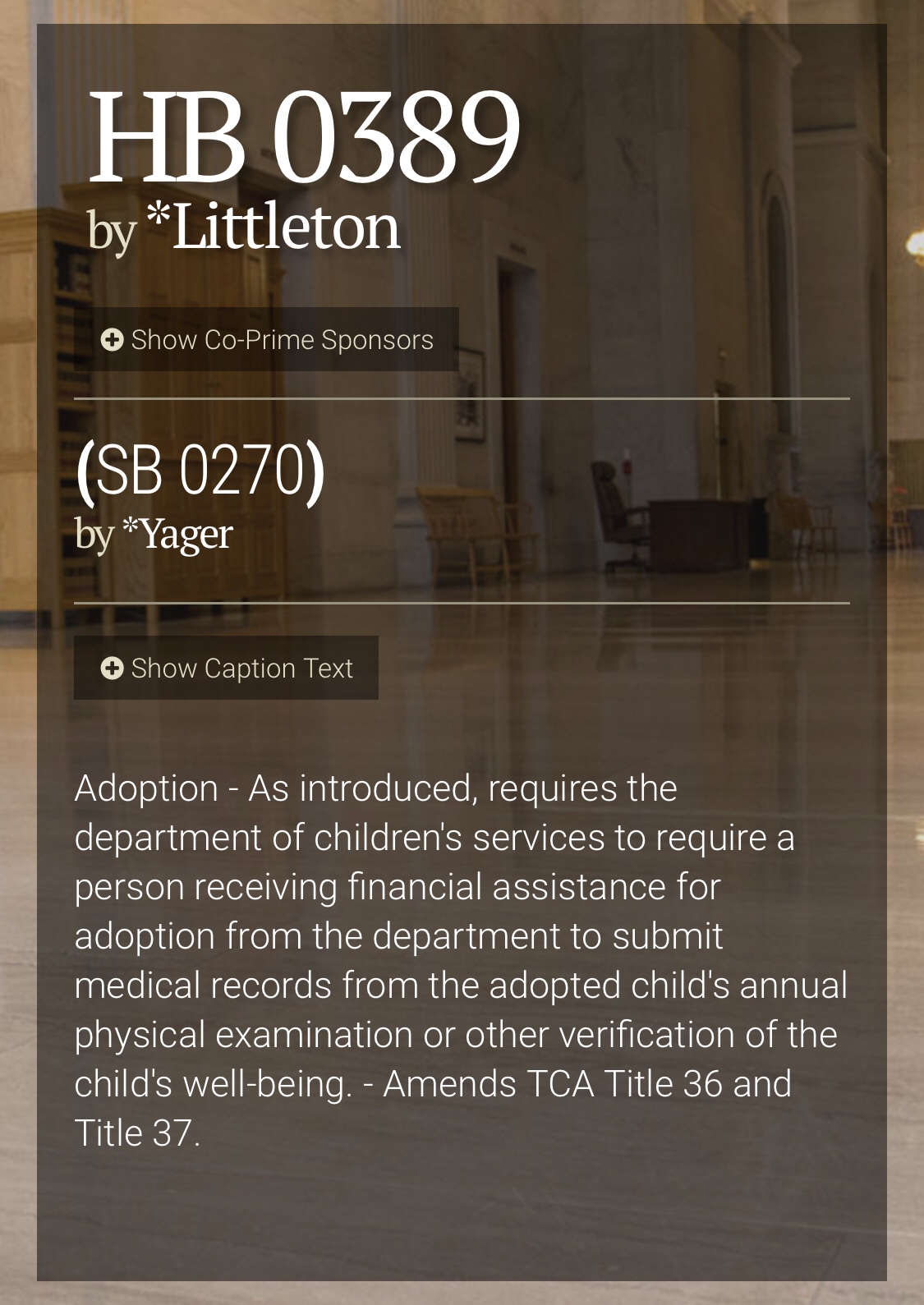
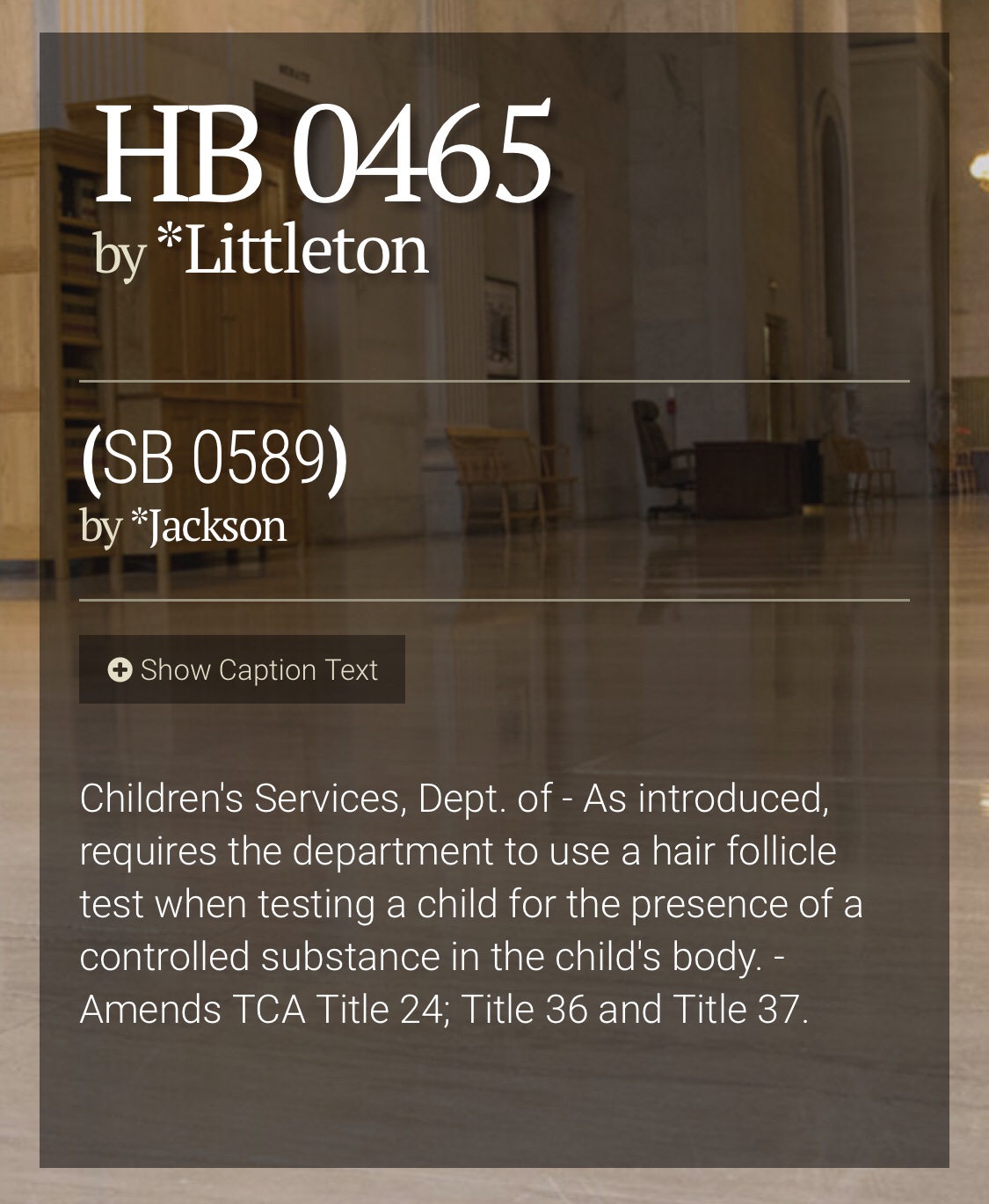
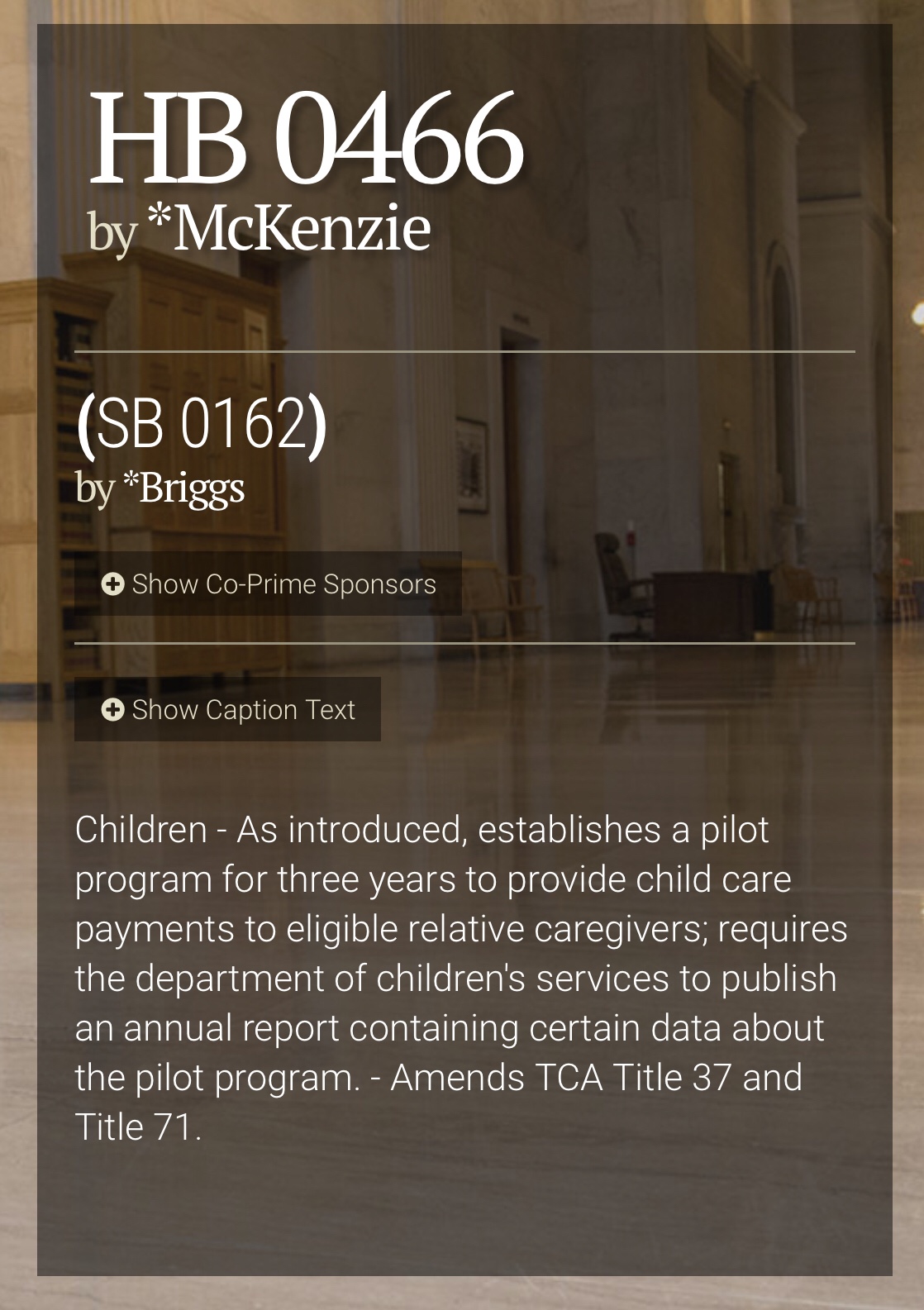
Our Grassroots Journey April 2025

By Connie Reguli JD

April 6 2025

Okay I made it to DC. Up at 4. Nashville. Atlanta. One hour to get a coffeee at the airport. Second leg of flight sat by the baby. I always chose the baby. After all I am a grandma. Her daddy is a lobbyist. That was convenient. Got a grumpy flight attendant who told me he did not have time for me. I was rescued by the man across the aisle. I try to stay invisible when I fly. I don’t want to be the person that the crew talks about later…”there was that one woman…”. Rescue stranger also has vitiligo so we engaged in a brief exchange while unloading the plane. Reagan in its usual packed noisy chaotically organized frame of mind. Waiting for our Alabama warrior Terri LaPoint before we head across the bridge. Let’s see what this week holds.

MONDAY APRIL 7

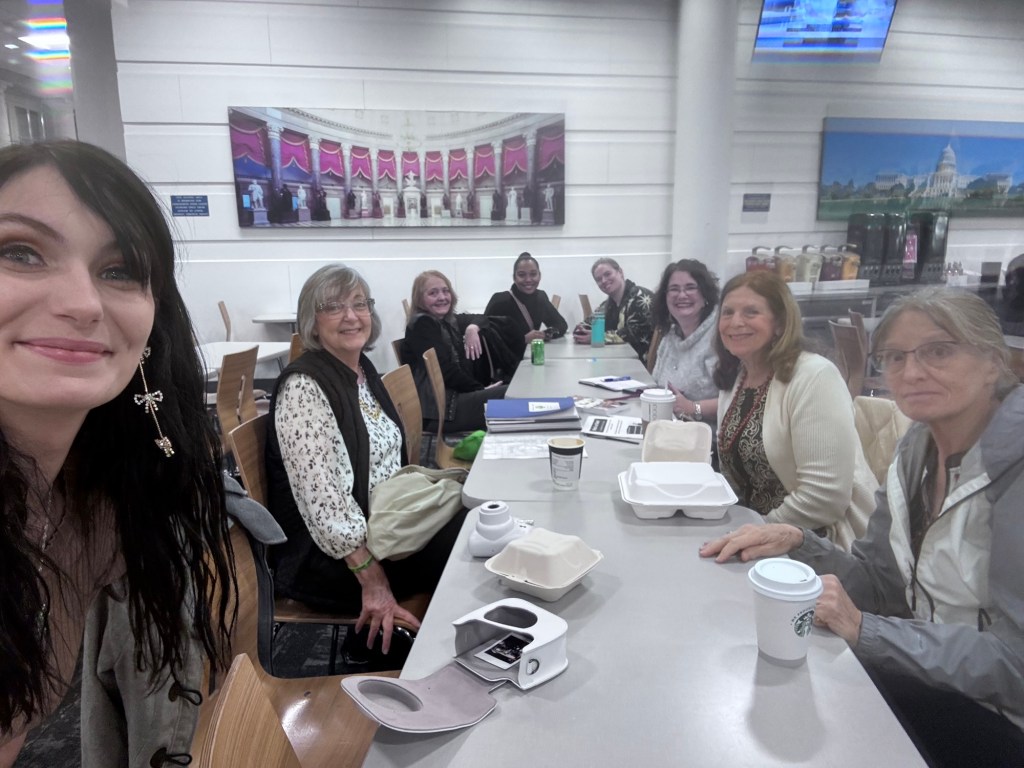
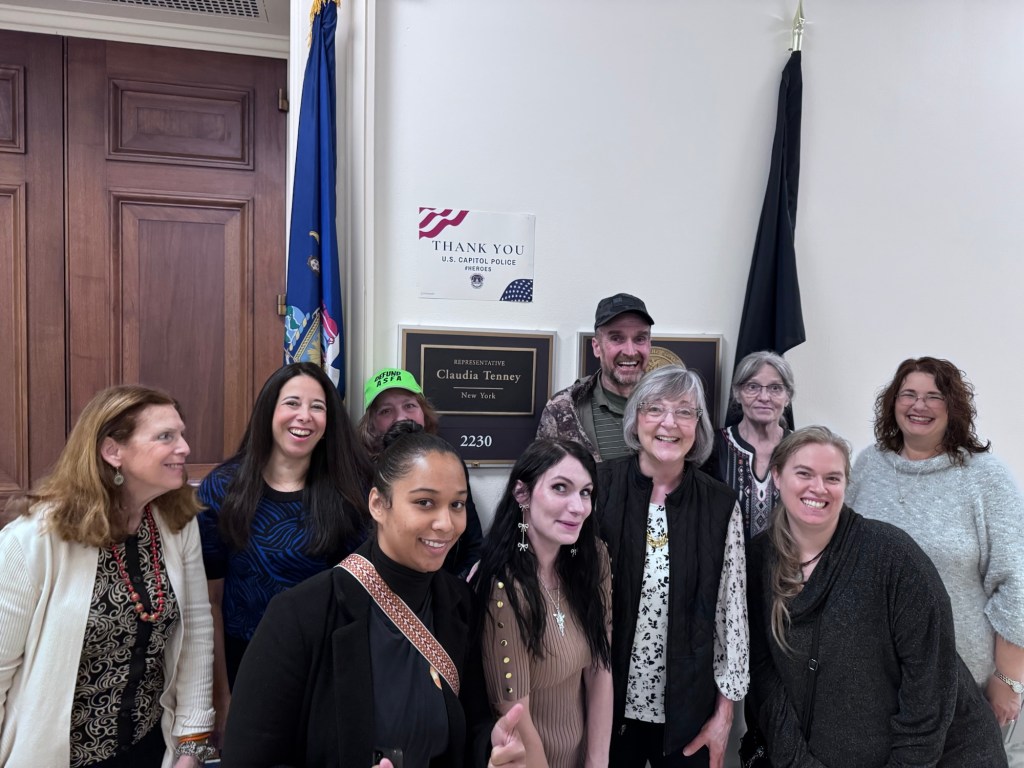
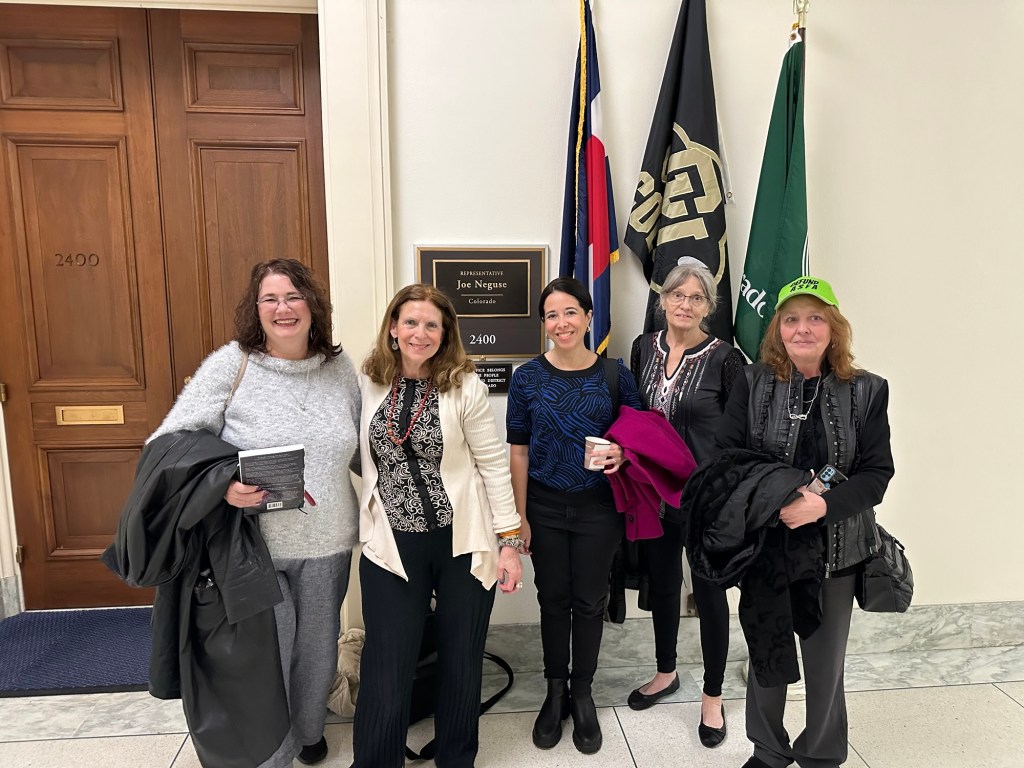
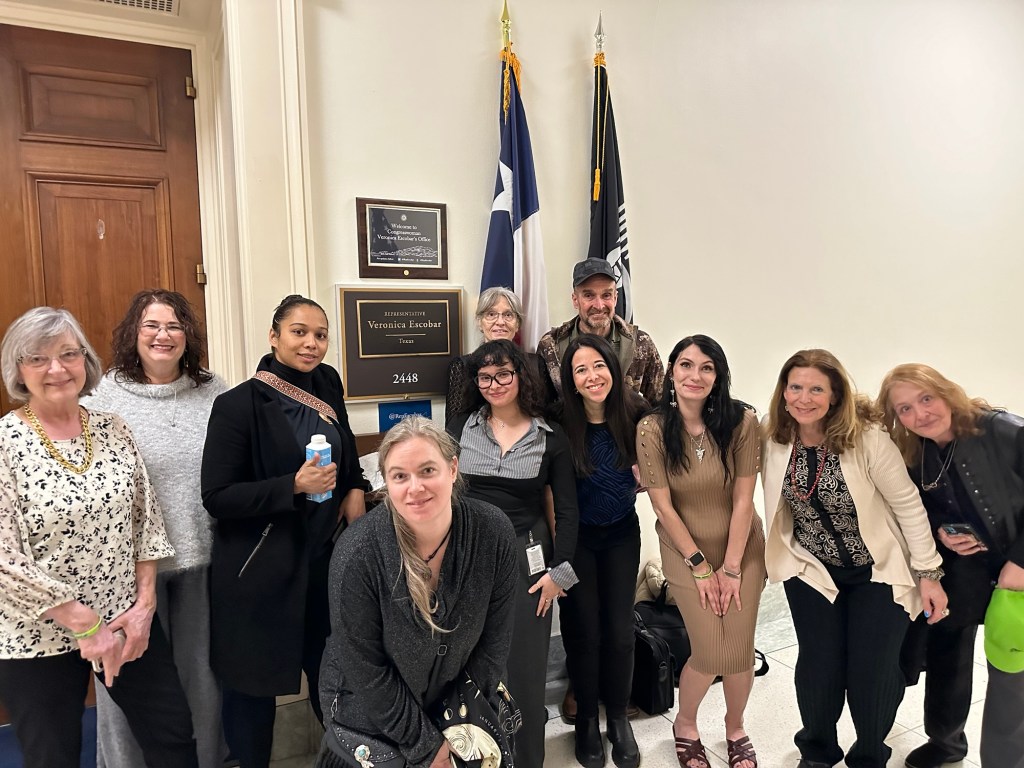
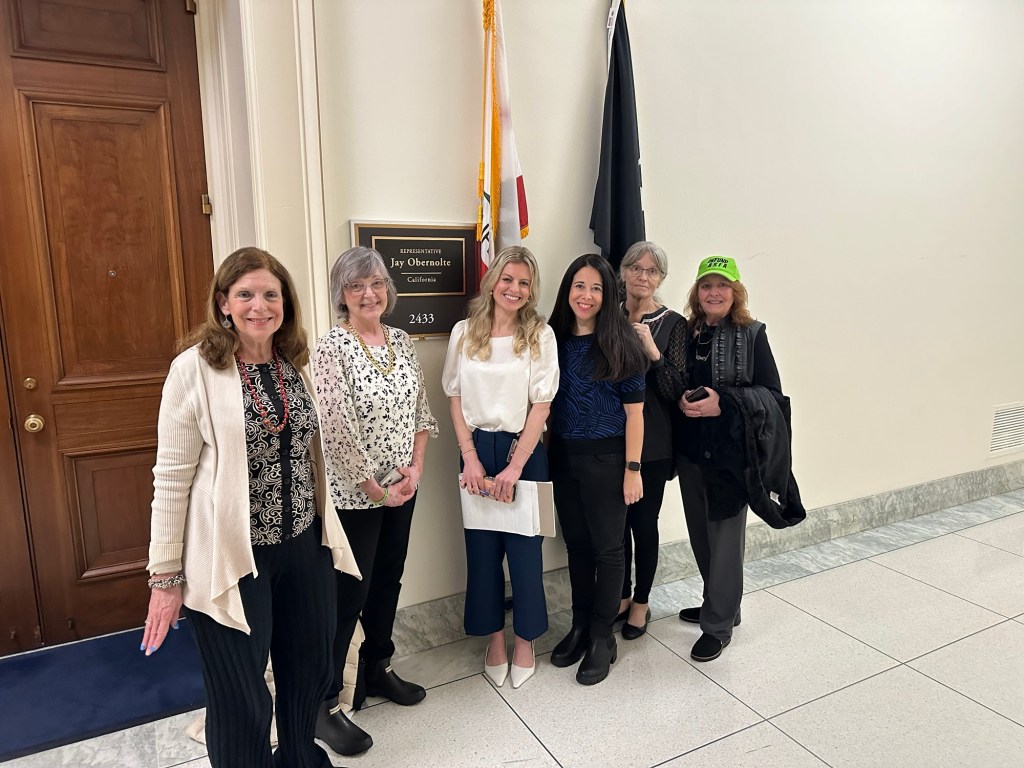
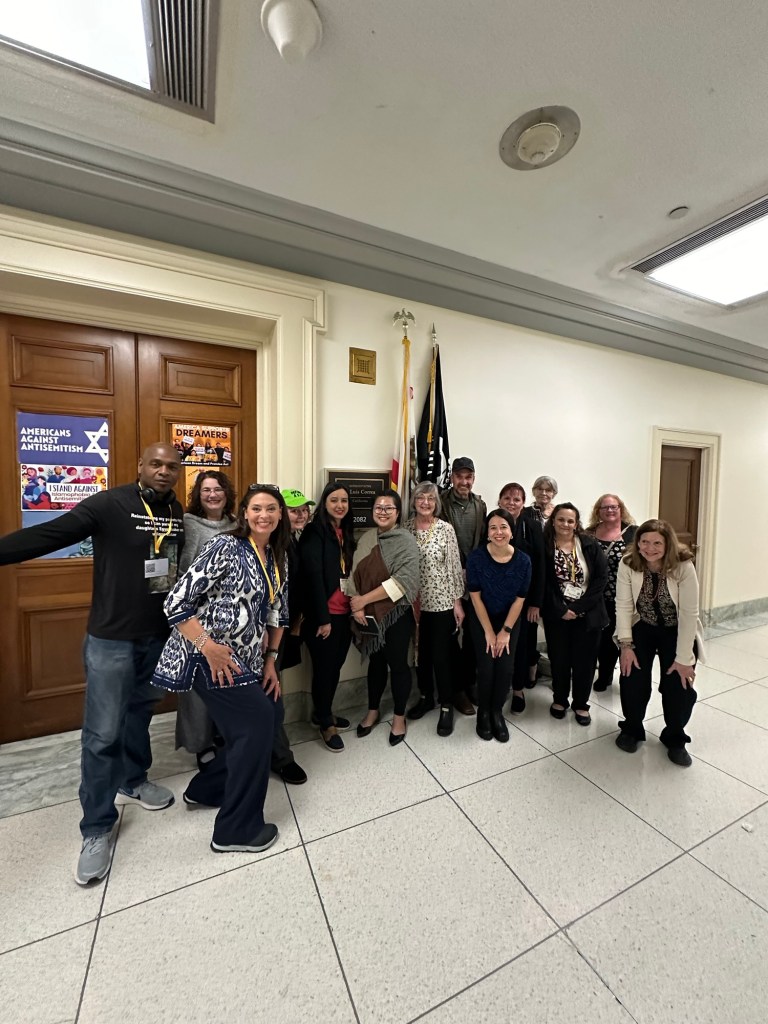
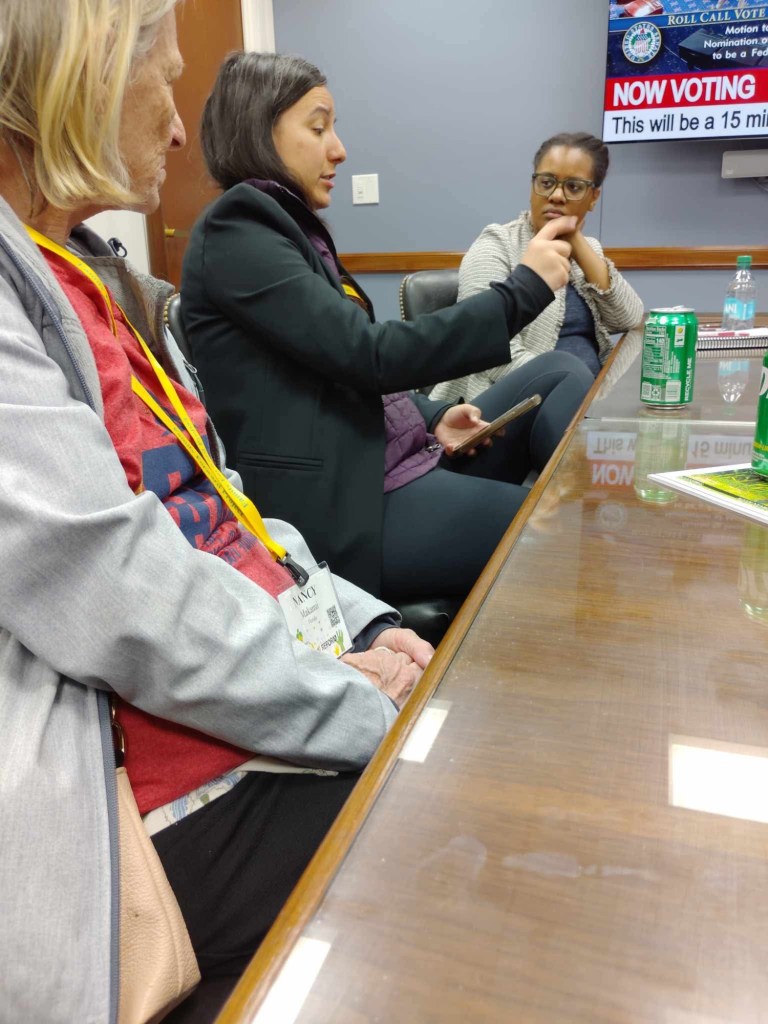
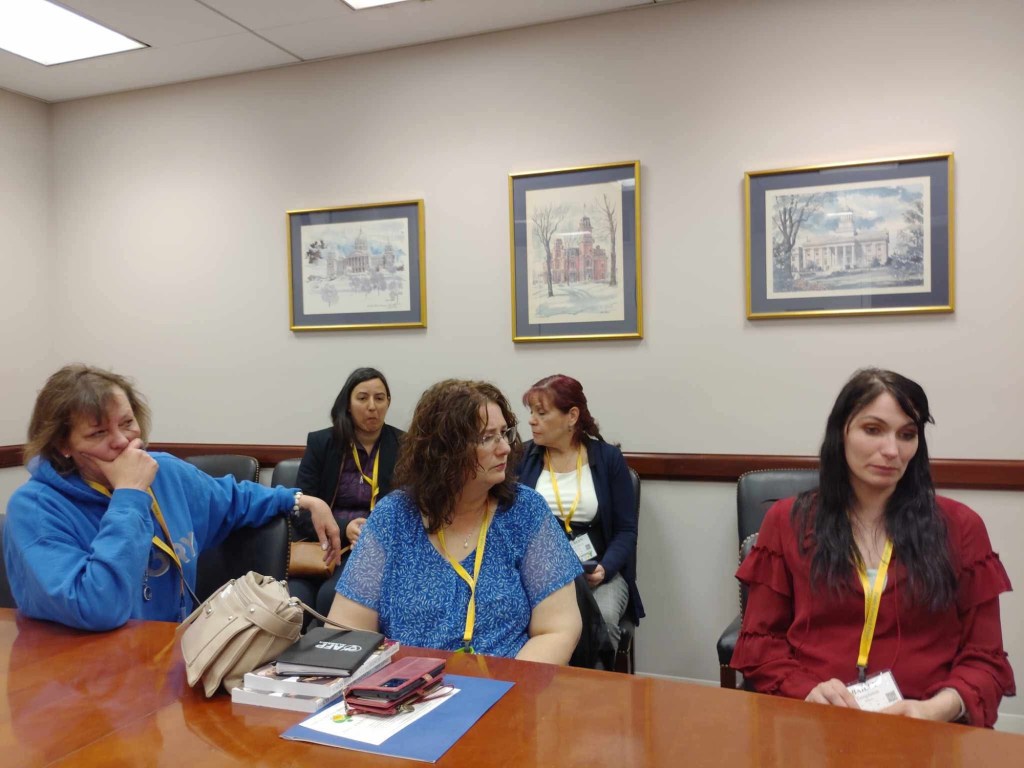
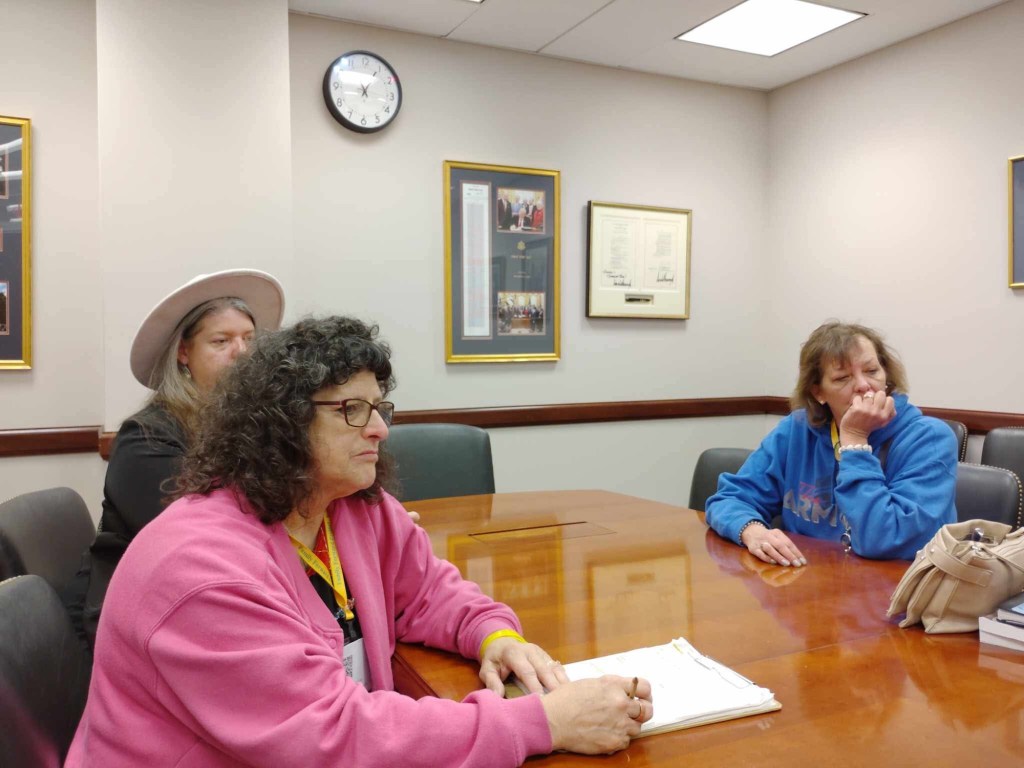
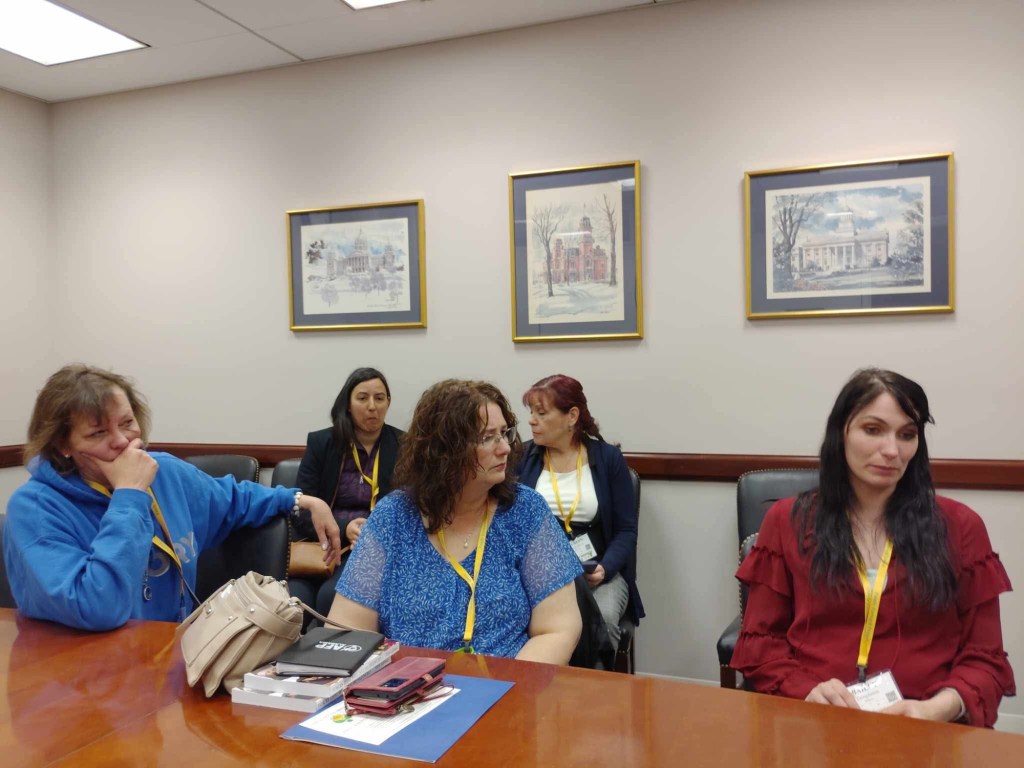
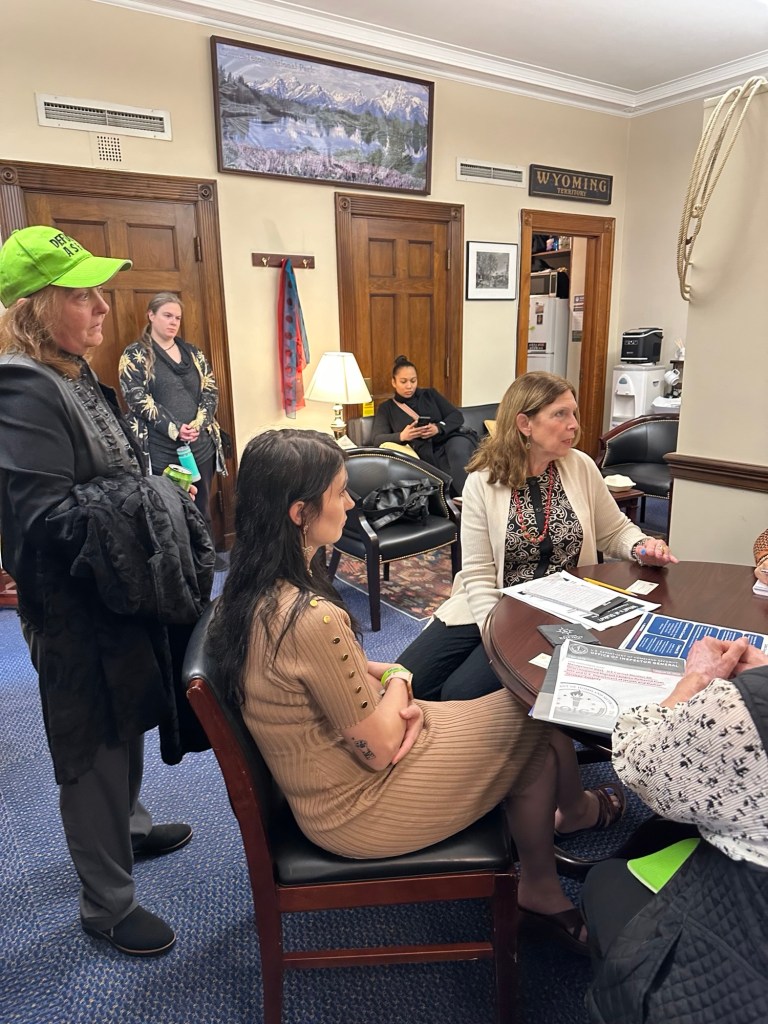
It has been a busy and energetic day. We had eight meetings with both Republicans and Democrats.

We have families from Family Forward Project from Alabama Illinois Tennessee Alabama Connecticut Florida Washington Texas and Pennsylvania.

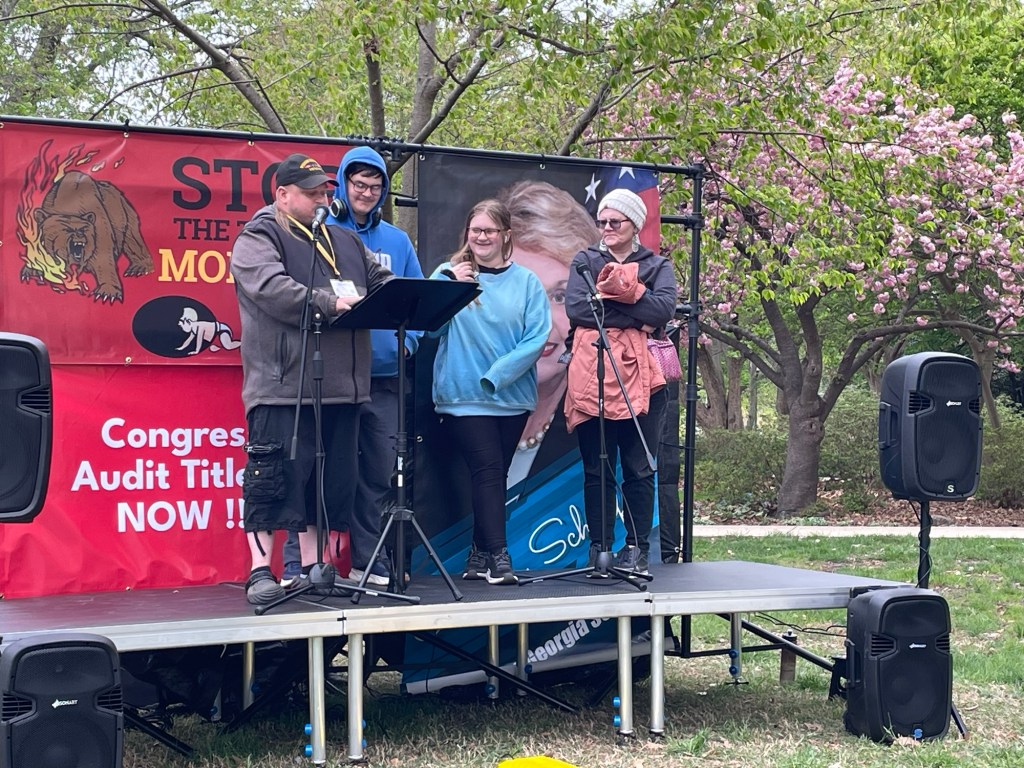
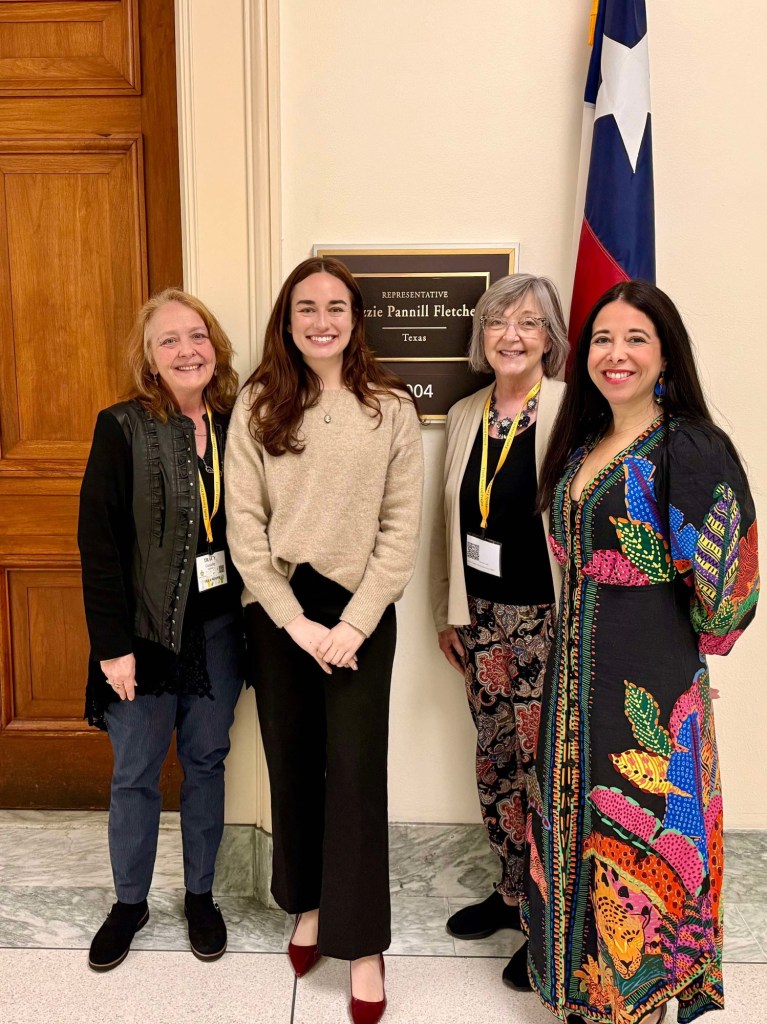
And we need you too. Here are a few of today’s pictures.

We will end the day with dinner and getting by ready for another day.

Tuesday April 9. 2025

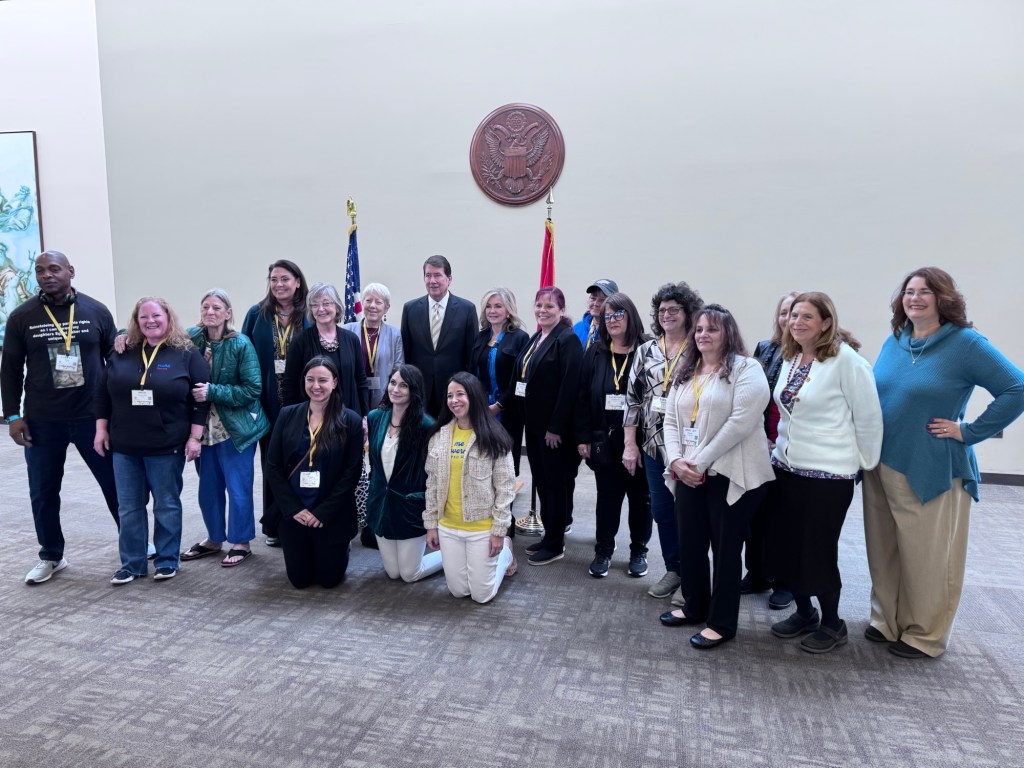
We started at Tennessee Tuesday with Sen Marsha Blackburn and Bill Hagerty with a huge crowd.

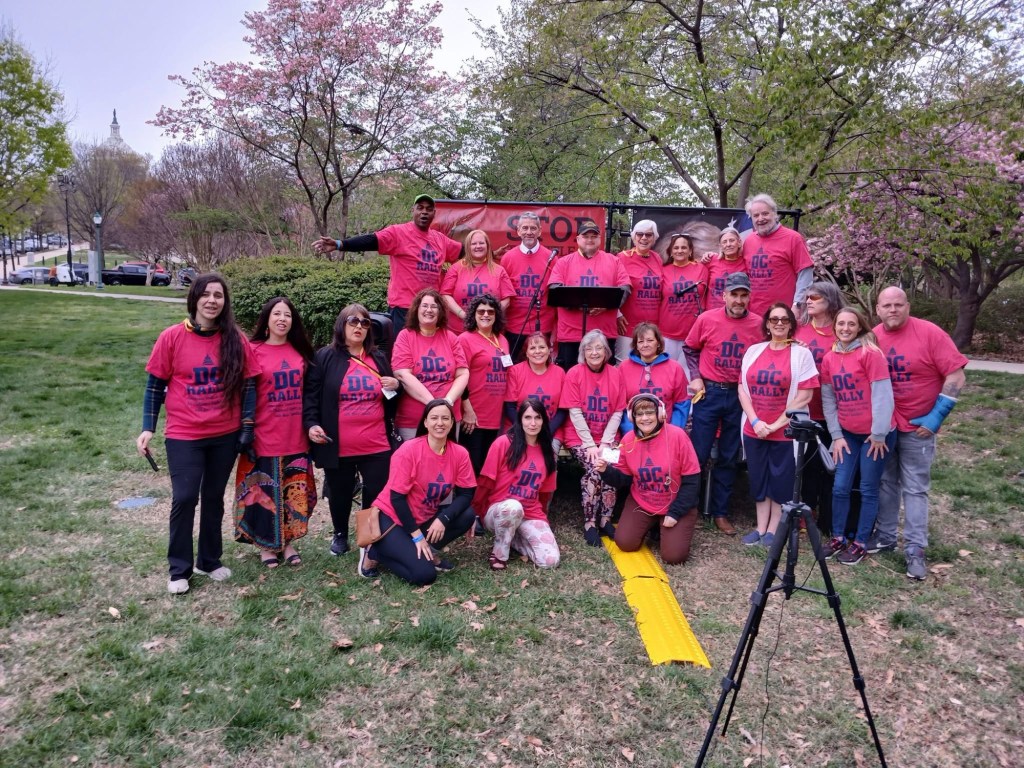
And rallied later in the day.

Evening was fun as well

Wednesday and Thursday April 9 and 10

Time has moved so fast that I forgot to upload the adventure in Wednesday night.

Here are a few examples f the highlights over the last two days

Congressman Mark Messmer – Indiana

Friday April 11 2025

Winding down with a few weeping and casual time at the Anatole Hotel.

And DONE for the week.

Adopted and DEAD…

Shared from Facebook

By DA Russell Johnson

Brother and Sister Laid to Rest in Graveside Service on Sunday – Brothers, family and friends and others attend with many people to thanks for their role in the service.

On Sunday afternoon, two sweet children – a boy and a girl – were laid to rest in a graveside service attended by their two surviving brothers. These children, the two that are deceased and the two that are surviving, are part of at least five children who were adopted by an evil woman and her husband for the financial benefit they received from the State for adopting them.

The two surviving brothers are now, thankfully, in the care of a wonderful, loving, and caring adoptive mother. The mother’s family members and their friends give the two brothers love that their deceased brother and sister certainly never received.

Early in their lives five children were allowed by the State to be placed ‘in the care’ of a Mr. and Mrs. Gray where the children were forced to endure horrendous circumstances of starvation and torturous confinement.

The two children who were laid to rest Sunday, obviously did not survive these conditions.

Thankfully, during Covid, an alert Roane County Sheriff’s Office deputy was able to recognize a child in need and discovered the house where he and his brother were being confined in makeshift ‘cages’ in the basement. An older sister lived upstairs. As a result of this discovery and further investigation, two bodies were discovered, one buried in the barn behind this house in Roane County and then one in a backyard behind a house in Knox County.

The three surviving children were ‘saved’, and the road to their ‘recovery’ began.

Long story shortened, the biggest hurdle was overcome in May 2024 with the final conviction of both Grays, the ‘adoptive parents’, on life without parole sentences in Roane Couty and additional life sentences in Knox County on top of the Roane County Life Without Parole sentences. The revelations of the shortfalls in the system of adoption, state ‘assistance’ for adopting, and parental responsibility for accountability and reporting, all came into sharp focus as a result of this prosecution and received attention and scrutiny in the state legislation which brought about changes in the law and the system with the Department of Children’s Services.

What is hopefully the final chapter was the closure that was brought about at the graveside on Sunday with the peaceful service that laid to rest two souls that never had peace here on Earth.

This would not have been possible without the generous, volunteer spirit of so many people, so I would like to publicly thank these folks in this manner:

When we concluded the case convicting the two co-defendants, I immediately turned to some friends for help to do something for the remains of the deceased victims. Without hesitation the three ‘angels’ that are to me, The McGill Sisters, came to help. They are Rene’ McGill Shultz, Rebecca McGill Willis and Amy McGill Millsaps, who follow in the community service tradition of their deceased father, Terry McGill. They operate McGill Click Funerals and Cremations in Loudon, and they own Loudon County Memorial Gardens. They are responsible for volunteering their time, their services, and their money to bring to fruition the wonderful service that was held on Sunday. Three of their associates are: Beth Brakebill who sang and led the attendees in singing, as well as Rev. Brian Courtney who participated in the service and Roberto Catota who assisted with the procession and graveside. Loudon Police Department and Loudon County Sheriff’s Office, TN. both provided the escort from McGill-Click Funeral Home to Loudon County Memorial Gardens.

The McGill sisters also donated the plot in a special “Angels” section of their cemetery and partnered with Matthews International, who provided the casket for both sets of cremains. Both the McGill Sisters and Matthews International covered the cost of the memorial plague. Lee-Heights Monument provided the service of opening and closing of the grave. Simerly Vault Company donated the vault. West End Florist in Loudon donated floral arrangements.

So many people contributed to making this day special by attending, including Dr. Darinka Milusenic, Chief Medical Examiner of the Knox County Regional Forensic Center, and her staff, along with anthropologist Dr. Murry Marks. Their work upon the discovery of the bodies of the two children and their expert analysis was instrumental in providing evidence to prosecute the criminal case.

The Kids First Child Advocacy Center of the 9th Judicial District of Tennessee in Lenoir City provided forensic interviews of the surviving children during the initial investigation, and the CAC Director Chris Evans-Longmire and staff were present at the service.

Charme Allen, District Attorney General – Knoxville, TN was present as well, and her office coordinated with our office with both of us prosecuting the two cases in our respective counties.

Members of our office were present at the service including the prosecution team for this case: Assistant District Attorneys Bob Edwards, Jonathan Edwards, Jason Collver and Kristin Curtis, along with Victim/Witness Coordinator Tami Bailey. ADA Jonathan Edwards spoke on behalf of both the Knox County office and our office about the courage of both boys and their victim impact statements at the sentencing hearing last year.

It was a blessed day for closure. Rest in Peace, children.

  • Russell Johnson, 9th District Attorney General (Loudon, Roane, Morgan & Meigs)

EPILOGUE

by Connie Reguli.

This is not the first time “adoption gone wrong story” in Tennessee. Another family in Knox County adopted children that they buried in the back yard.

The story has one thing right for sure that should be an alarm and call for the complete overhaul of child welfare. They did is for money. Yes the adoptive parents took in five kids and would receive a monthly stipend check every month even after the adoption is final. This money comes from the federal funds which is of course still tax payer money.

Gods rest their souls and help me share this tragedy.

TENNESSEE FAMILY RIGHTS LEGISLATION: IMMEDIATE ACTION NEEDED TO STOP A DANGEROUS AND INCONSISTENT LAW

HB2936 (Amendment #017296) is called the “Families’ Rights and Responsibilities Act” and is being promoted as protecting parental rights, but it fails in many ways and introduces potential harm.

Currently, parents have fundamental rights under the Fourteenth Amendment of the United States Constitution. This bill does NOT codify what already exists, it establishes a platform to continuously trim away parental rights.

Nineteen states have passed legislation that puts the fundamental rights of parents into their state laws. Most of these laws codify parental rights as fundamental (meaning protected by the Fourteenth Amendment).

SEE THE CALL TO ACTION BELOW

HB2936 differs from states providing for fundamental parental rights.

See the FULL BILLTEXT HERE.

Tennessee’s HB 2936 enumerates parental rights and then makes exceptions for other existing statutory law, case law, and court orders, and protects certain government agencies and other entities with carve outs and exemptions. The unintended consequences will do more harm than good.

While the bill looks good on the surface, with this:

“The liberty of a parent to the care, custody, and control of the parent’s child, including the right to direct the upbringing, education, health care, and mental health of the child, is a fundamental right.”

The definition of ‘parent’ should give a first pause as it expands parenthood to include an “individual who has been granted decision-making power over the child”.

THEN language throughout the bill continues to carve away those rights:

Section 1 provides an avenue for future laws to usurp parental rights just by saying so with the language:

“State law enacted after July 1, 2024, is subject to this chapter unless the law explicitly excludes such application by reference to this chapter.”

SECTION 2 creates § 63-1-173(b) and specifically addresses medical care. The section includes:

“Except as otherwise provided by statutory law, case law, or court order.

If existing laws are exempted and all future laws can be exempted from this proposed act, then what exactly does the bill do? Here is our analysis:

  1. Expands the constitutional definition of “parent” by providing that “an individual who has been granted decision-making authority over the child under state law”.
    • This expansion is nowhere in constitutional law. Under United Supreme Court cases, a parent is a legal parent. Period.
    • This puts “parental rights” in the hands of any judge who has taken subject matter jurisdiction over the child, juvenile, divorces, guardianship, truancy, delinquents, and children in state’s custody.
    • Attorneys are appointed to serve as a guardian ad litem for a child in juvenile and some divorce cases. This would allow a judge to give an attorney ‘decision-making’ authority over a child, thus making the attorney the ‘parent’ gaining all ‘parental rights’ listed under § 36-8-103(c), created in SECTION 1 of the bill.
    • This section does not restrict who can grant “decision-making authority”, “under state law”. The vague language would permit a parent to grant decision-making authority, and perhaps a state agency, such as DCS.
  2. Excludes parental rights regarding “Biometric Data” under HIPPA and for all law enforcement purposes, potentially expanding the ability of medical establishments and law enforcement agencies to prohibit access or deny consent to parents. The bill does not require law enforcement or a state agency to make a showing or probable cause of abuse or neglect by the parent. The Fourth Amendment protects persons against unreasonable search and SEIZURE. Obtaining biometric data is a “taking” and constitutionally requires probable cause of a crime.
  3. Fails to detail what process is due when the government claims they are “burdening” a parent’s fundamental rights because of “a compelling governmental interest of the highest order.” United States Supreme Court opinions require a finding that a parent is “unfit” by clear and convincing evidence before burdening or interfering with parental rights.
  4. Fails to include the word “informed” when mentioning “consent.” Especially in medical care, without adequate formation, true consent cannot be granted. Informed consent is a human right. This is the second TN bill this session that is attempting to drop the word “informed” from “informed consent.”
  5. Potentially expands DCS’s authority:
    • To exclude parents from important information regarding their child.
    • To ignore parental fundamental rights during investigations and when children are in their custody, even when the legal parent retains their decision-making rights regarding the child.
  6. Higher Education Exclusion. Parental rights and the legal recourse provisions of this bill do not apply when a parent enrolls their child in higher education before the child is eighteen, such as dual enrollment for high schoolers or when a minor graduates from high school early and starts college at 16 or 17.
    1. This loss of parental rights means a minor child is left navigating an adult environment and the influences of academia alone.
    2. Federal programs such as FERPA and Title X already encroach on parental rights – this bill removes parental rights entirely, leaving the minor functionally emancipated.
  7. Blanket Consent Exclusion.The rights and legal recourse provisions of this bill do not apply when a parent gives blanket consent authorizing a person or entity “to perform an activity listed” in subsection (c), the list of parental rights. Parents commonly sign consent forms for schools, health care facilities, clubs and sport organizations, and more. This legislation would expand and increase the use of contractual blanket consent provisions to avoid lawsuits. Parents will sign these forms without fully understanding the rights they are waiving.
  8. Mature Minor Clarification Act (MMCA) of 2023 Vaccination Consent Concerns
    1. MMCA clarified that federal law mandates and case law upholds that healthcare providers must obtain informed consent from parents prior to vaccination.
    2. The National Childhood Vaccine Injury Act (NCVIA) of 1986 (42 U.S.C. § 300aa-26) removed financial liability from vaccine manufacturers and healthcare providers for injury or death caused by any vaccine recommended by the CDC to children or pregnant women.
    3. Congress mandated that healthcare providers ensure and document that parents receive a current Information Statement (VIS) prior to the administration of every dose of a vaccine to a minor.
    4. There is a conflict of law in this legislation with last year’s Mature Minor Clarification Act (MMCA).  Under the MMCA, a healthcare provider is required to get parental consent prior to administering a vaccine to a minor.  There is no exception.  Under this parental rights legislation, parental rights are forfeited if a child is enrolled in higher education.  Therefore, college medical clinics may vaccinate minors without parental consent.  
  9. “Mistakes” Exclusion. Excludes parental rights and prevents recourse to the civil action portion of the bill when “a government entity or any other person” makes a mistake and accepts the consent of someone “in good faith” who does not actually have the legal the right to consent regarding your child.
  10. Conflicts Within the Bill. The two sections of the bill are in conflict regarding parental medical consent rights.Under the rules of statutory construction, where there is a general law and a more specific law, the more specific law will trump all provisions in the general law, therefore, Section 2 Title 63 regarding a parent’s right to give medical consent will trump Section 1; § 36-8-103(c)(3). There is also a conflict in the relief available in a lawsuit.
    • SECTION 1, § 36-8-103(c)(3) provides that parental rights are preserved for “all physical and mental healthcare decisions for the child and consent to all physical and mental health care on the child’s behalf, as provided in § 63-1-173. This section includes various exceptions, however, it DOES NOT say “Except as otherwise provided by statutory law, case law, or court order”.
    • SECTION 2 Is specifically about the parental right to informed consent regarding medical treatment of their minor child, and it DOES say “Except as otherwise provided by statutory law, case law, or court order.”
    • For children in state’s custody, they will continue to be subjected to laws that allow DCS to make medical decisions, notwithstanding the fact that the parent’s have not lost their parental rights under the language of § 63-1-173 with says, “except as otherwise provided by statutory law, case law, or court order…”
  11. What will litigation look like?
    • Neither section permits a JURY trial, therefore, there is no right to a jury trial since the constitution only provides for jury trial for suits in common law.
    • Neither section specifically permits punitive damages.
    • § 36-1-103(f)(2) in SECTION 1 permits declaratory relief and injunctive relief (restraining order) along with monetary damages. § 63-1-173(f) in SECTION 2 does not provide for declaratory relief or injunctive relief.
    • Damages: Although this section provides for compensatory damages (pain and suffering), it does not provide for punitive damages. There is no standard for what pain and suffering damages should be allowed. These cases will be ruled on by local judges who are unlikely to award substantial damages for pain and suffering.
    • Attorney’s fees: These cases will be lucrative for predatory law firms.
    • Vicarious liability/government: Most assume that the target of this legislation will be the individual who committed the violation against parental rights. The bill is silent as to whether or not the employer (school, county, state, etc) will have vicarious liability for the acts of the individual. There is no vicarious liability in civil rights cases and there are limitations for local governments (county/city) for liability for negligent acts of employees in the Government Tort Liability Act TCA 29-20-101 et seq. Generally INTENTIONAL TORTS do not trigger government entity liability, such as malicious prosecution.
    • Vicarious liability/medical-mental health providers: Generally, the employers are liable for the negligent acts of their employees under the theory of respondeat superior or vicarious liability. However, an entity may not be liable for intentional torts or if there is a determination that the act was not within their scope of duty.
    • Who Pays: Even if compensatory (pain and suffering) damages and attorney’s fees are awarded, who is going to pay?
    • This bill does not directly extend liability to the entity, whether the government tort liability limitation would apply remains a question.
  12. FISCAL NOTE: The fiscal note in this bill says that current state resources are sufficient for implementation of this act.
    • The fiscal note DOES NOT consider the damages and attorney fees that a could be assessed against state and county governments, i.e., the taxpayers.

Until these issues have been fully resolved to the benefit of the citizens of this state, this bill should not become law.

*State law cannot preempt requirements of The National Childhood Vaccine Injury Act of 1986 (42 U.S.C. § 300aa-26)

HB2936 (Amendment #017296) BILLTEXT

SECTION 1. Tennessee Code Annotated, Title 36, is amended by adding the following new chapter:

36-8-101. This chapter is known and may be cited as the “Families’ Rights and Responsibilities Act.”

36-8-102. As used in this chapter:

(1) “Biometric data”:

(A) Means data generated by automatic measurements of an individual’s biological characteristics, such as a fingerprint, voiceprint, eye retina or iris, or other unique biological pattern or characteristic, that is used to identify a specific individual;

(B) Does not include a physical or digital photograph, a video or audio recording, or data generated from the recording, or information collected, used, or stored for healthcare treatment, payment, or operations under the Health Insurance Portability and Accountability Act of 1996 (HIPAA) (42 U.S.C. § 1320d et seq.); and

(C) Does not include data or information collected, used, or stored for law enforcement purposes;

(2) “Child” means an unemancipated, unmarried individual who has not attained eighteen (18) years of age;

(3) “Decision-making authority” means the power granted by the state to a nonparent to make important decisions regarding a child, including decisions regarding the child’s education, religious training, health care, extracurricular activities, and travel;

(4) “Government entity” means any branch, department, agency, commission, or instrumentality of state government, any official or other person acting under color of state law, or any political subdivision of the state; and

(5) “Parent” means a biological, legal, or adoptive parent or an individual who has been granted decision-making authority over the child under state law.

36-8-103.

(a) The liberty of a parent to the care, custody, and control of the parent’s child, including the right to direct the upbringing, education, health care, and mental health of the child, is a fundamental right.

(b) A government entity shall not substantially burden the fundamental rights of a parent as provided under this section unless the government entity demonstrates that the burden, as applied to the parent and the child, is required by a compelling governmental interest of the highest order and is the least restrictive means of furthering that compelling governmental interest.

(c) All parental rights are exclusively reserved to a parent of a child without obstruction by or interference from a government entity, including the following rights and responsibilities:

(1) To direct the upbringing of the child;

(2) To direct the moral or religious training of the child;

(3) To make all physical and mental healthcare decisions for the child and consent to all physical and mental health care on the child’s behalf, as provided in § 63-1-173;

(4) To access and review all health and medical records of the child;

(5) To direct the education of the child, including the right to choose public, private, religious, or home schools, and the right to make reasonable choices within public schools for the education of the child;

(6) To access and review all educational records of the child maintained by the school, including those maintained in accordance with § 49-1-704 of the Data Accessibility, Transparency and Accountability Act and the Family Educational Rights and Privacy Act (20 U.S.C. § 1232g);

(7) To have the child excused from school attendance for religious purposes;

(8) To participate in parent-teacher associations and school organizations that are sanctioned by the board of education of a local education agency;

(9) To be notified promptly if an employee of the state reasonably believes that abuse, neglect, or any criminal offense has been committed against the child by someone other than the parent, unless doing so would interfere with a criminal investigation or department of children’s services investigation, or unless an employee of the state, a political subdivision of the state, a local education agency, a public charter school, or any other governmental entity is required by law to withhold such information;

(10) To consent before the collection, storing, or sharing of any individual biometric data, data relative to analysis of facial expressions, electroencephalogram brain wave patterns, skin conductance, galvanic skin response, heart-rate variability, pulse, blood volume, posture, and eye-tracking, as specified in §§ 49-1-706 and 49-2-211;

(11) To consent before any record of the child’s blood or deoxyribonucleic acid (DNA) is created, stored, or shared, unless authorized by law or pursuant to a court order; and

(12) To consent before any government entity makes a video or voice recording of the child, unless the video or voice recording is made during or as a part of:

(A) A court proceeding;

(B) A law enforcement interaction;

(C) A forensic interview in a criminal or department of children’s services investigation;

(D) The security or surveillance of buildings or grounds;

(E) A photo identification card; or

(F) A public event where the child has no reasonable expectation of privacy.

(d)

(1) This section does not authorize or allow any individual to abuse, neglect, or endanger a child as defined by § 39-15-401.

(2) This section does not prevent the department of children’s services from conducting an investigation or otherwise carrying out its responsibilities under state law.

(3) This section does not apply when:

(A) A parent of the minor has given blanket consent authorizing the person or entity to perform an activity listed in subsection (c);

(B) A government entity or any other person reasonably relies in good faith on an individual’s representations that the individual is the parent of a minor or has otherwise been granted authority to make decisions regarding a minor’s care under state law;

(C) A person, including a law enforcement officer, participates or assists in rendering emergency care pursuant to § 63-6-218;

(D) An employee of a local education agency acts to control bleeding using a bleeding control kit pursuant to § 49-2-137; or

(E) Services are provided to or information is received or maintained about a minor enrolled in an institution of higher education or a minor participating in a program for which the minor’s parent has consented to the child’s participation by an employee of the institution of higher education or other school official.

(e) A public employee, other than law enforcement personnel, shall not encourage or coerce a child to withhold information from the child’s parent. A public employee shall not withhold from a child’s parent information that is relevant to the physical, emotional, or mental health of the child unless required by law to withhold such information.

(f)

(1) A parent whose rights have been burdened by a government entity in violation of this section may assert that violation of this section as a claim or defense in any judicial or administrative proceeding, without regard to whether the proceeding is brought by or in the name of the state, a private person, or another party.

(2) A parent who prevails in a proceeding to enforce this section against a government entity may recover the following from a court of competent jurisdiction:

(A) Declaratory relief;

(B) Injunctive relief; and

(C) Compensatory damages, including reasonable costs and attorney’s fees.

(g) A person or entity that is not a parent shall not have standing to raise in any proceeding in this state the fundamental rights of a parent established in subsection (a).

36-8-104.

This chapter must be construed using the following rules:

(1) The protections of the fundamental right of parents to the care, custody, and control of their child afforded by this chapter are in addition to the protections provided under federal law, state law, and the state and federal constitutions;

(2) This chapter must be construed in favor of a broad protection of the fundamental right of parents to the custody, care, and control of their children, including the right to direct the upbringing, education, health care, and mental health of their child;

(3) This act does not give parents a right to medical treatments for their children that have been prohibited by state law; and

(4) State law enacted after July 1, 2024, is subject to this chapter unless the law explicitly excludes such application by reference to this chapter.

SECTION 2. Tennessee Code Annotated, Title 63, Chapter 1, Part 1, is amended by adding the following new section:

63-1-173.

(a) As used in this section:

(1) “Government entity” means the state, any branch, department, agency, commission, or instrumentality of state government, any official or other person acting under color of state law, or any political subdivision of the state;

(2) “Healthcare provider” means a healthcare professional, healthcare establishment, or healthcare facility licensed, registered, certified, or permitted pursuant to this title, title 33, or title 68 or regulated under the authority of either the department of health or an agency, board, council, or committee attached to the department of health or by the department of mental health and substance abuse services, and that is authorized to provide health or medical care or mental health services in this state;

(3) “Medical decision-making authority” means the power granted by the state to a nonparent to make important decisions regarding a child’s health care;

(4) “Minor”:

(A) Means an individual who has not attained eighteen (18) years of age; and

(B) Does not include an individual who:

(i) Is emancipated pursuant to title 29, chapter 31;

(ii) Needs emergency treatment pursuant to § 63-6-222;

(iii) Is or was previously a member of the armed forces of the United States or a member of a reserve or national guard unit; or

(iv) Is the parent of a minor child and has full custody of that minor child;

(5) “Parent” means a biological, legal, or adoptive parent or an individual who has been granted medical decision-making authority over the child under state law; and

(6) “Person” means an individual, corporation, or any other legal or commercial entity, whether or not a citizen or domiciliary of this state and whether or not organized under the laws of this state.

(b) Except as otherwise provided by statutory law, case law, or court order, a government entity, a healthcare provider, or any other person shall not knowingly take any of the following actions with regard to a minor without first obtaining the consent of a parent of the minor:

(1) Treat, profess to diagnose, operate on, or prescribe for any physical ailment, physical injury, or deformity;

(2) Prescribe, dispense, deliver, or administer any drug or medication;

(3) Render psychological services specified in §§ 63-11-202 and 63-11-203; or

(4) Render counseling services specified in § 63-22-122.

(c) This section does not apply when:

(1) A parent of the minor has given blanket consent authorizing the person or entity to perform an activity listed in subsection (b);

(2) A government entity, healthcare provider, or any other person reasonably relies in good faith on an individual’s representations that the individual is the parent of a minor or has otherwise been granted authority to make decisions regarding a minor’s health care under state law;

(3) A licensed physician performs emergency medical or surgical treatment pursuant to § 63-6-222;

(4) Licensed personnel render appropriate emergency medical care and provide emergency medical services pursuant to § 68-140-309;

(5) A person, including a law enforcement officer, participates or assists in rendering emergency care pursuant to § 63-6-218;

(6) An employee of a local education agency acts to control bleeding using a bleeding control kit pursuant to § 49-2-137; or

(7) Services are provided to a minor enrolled in an institution of higher education by a licensed provider employed by the institution of higher education.

(d) A violation of this practice is an unlawful practice and is grounds for the offending healthcare provider’s licensing authority to suspend, revoke, or refuse to renew the healthcare provider’s license or take other disciplinary action allowed by law.

(e) If the licensing authority of a healthcare provider receives information of a violation or potential violation of this section by the healthcare provider, then the licensing authority shall conduct an immediate investigation and take appropriate disciplinary action.

(f) A parent may bring a civil cause of action to recover compensatory damages, reasonable attorney’s fees, court costs, expenses, and other appropriate relief against an entity or healthcare provider alleged to have violated this section.

(g) If a court in any civil action brought pursuant to this section finds that a healthcare provider knowingly violated this section, then the court shall notify the appropriate regulatory authority and the attorney general and reporter by mailing a certified copy of the court’s order to the regulatory authority and the attorney general and reporter. Notification pursuant to this subsection (g) must be made upon the judgment of the court being made final.

(h)

(1) A civil action commenced against a healthcare provider under this section must be brought within the period required by § 29-26-116.

(2) A civil action commenced against another entity under this section must be brought within one (1) year from the date of discovery of the violation of this section.

(i) This section is declared to be remedial in nature, and this section must be liberally construed to effectuate its purposes.

SECTION 3. This act takes effect July 1, 2024, the public welfare requiring it, and applies to acts committed on or after that date.

Call to Action

OUR MOST IMPORTANT CALL TO ACTION THIS SESSION — WE NEED EVERY SINGLE ONE OF YOU!

THIS ACTION IS EASY because you only have to contact ONE person: Your own Representative.

HB2936 (Amendment #017296) is called the “Families’ Rights and Responsibilities Act” and is being promoted as protecting parental rights, but it massively fails and introduces potential for devastating harm.

Nineteen states have passed legislation that puts the fundamental rights of parents into their state laws. Most of these laws codify parental rights as fundamental (meaning protected by the Fourteenth Amendment). TN’s HB2936 is far different than the laws in those states.

HB2936 differs from those laws in critically important ways that make it dangerous. It must not become law. A full list of problems with the bill is linked HERE.

Contact Tennessee House Members by phone or email. You can find them here. Just click on this link and the list appears. Click on the email to send an email and call the phone number on the list.

PLEASE VOTE NO ON HB2936 – The Family Rights and Responsibilities Act on Thursday, April 11.

  1. Instead of codifying the fundamental rights of parents in TN law, this law creates a platform to trim away those rights. It does this with language throughout the bill that makes exceptions for existing and future statutes, court orders, and case law, as well as carveouts that protect government agencies rather than parents.
  2. The broad definitions of “Parent” and “Person” in the bill would allow governmental and non-governmental agencies and entities to override your rights in many circumstances.
  3. Parents forfeit their parental rights and the right to legal recourse if they enter blanket consent agreements (such as at schools, medical offices, etc.) or for minor children they enroll in higher education.
  4. This new law is likely to put a burden on Tennessee taxpayers when attorneys are awarded massive fees for lawsuits.

The final vote for HB2936 is THURSDAY APRIL 11 during the 9am House Floor Session.

Email, call, and if you can, visit your Representative and tell him or her to VOTE NO!

Tell them the Fundamental Rights of Parents are too important to get wrong. This bill is WRONG. This is not a bill they will be able to boast about.

Tennessee’s Family Bondage Law 2024

By Connie Reguli, J.D

Sign the petition to reject the Family Rights and Responsibilities Act of 2024 – no matter where you are.

Protect parental rights in Tennessee.  We need your support to STOP the Tennessee General Assembly from slicing and dicing parental rights with HB2936 sponsored by Rep. Jeremy Faison (HB2936) and Sen. Ferrell Haile (SB2749) Find the language here

EVERY PARENT IN TENNESSEE MUST STEP UP TO PROTECT THEIR FAMILY. 

Rep. Faison has in his mind that this bill is necessary to protect parental rights, but the United State Supreme Court has already established that parents have the right to raise their children, obtain medical treatment, and more.  (See below)

What the parental rights bill does is enumerate parental rights and then provides multiple exceptions for the government to block parents from protecting those rights.  The bill includes the word “unless” five times and then provides a slippery slope of exceptions like when a parent provides “blanket consent” or when any person represents themselves has having authority to consent to to waive parental rights (you correct, this is very scary).  

Let’s talk about UNLESS.  The word unless is used five times and gives reasons for parental rights to be subverted by the government.  Like, the government’s right to interrogate to your child without your knowledge or consent.  This bill allows for a complete absence of consent when there is  “law enforcement interaction”…..  So the SRO (school resource officer) can stop your child at school and isolate them to interrogate them? YES.  And of course DCS (Dept. of Children’s Services) can do the same.  The bill DOES NOT require government officials to establish probable cause with credible evidence.  The Fourth Amendment protects persons from search and seizure unless probable cause has been established.  Federal case law is clear on this.  However, children have no protection from Fourth Amendment seizure and interrogation under this bill.  Probable cause is not required.  

Are you seeing the problem? 

Then we get into a very slippery and the barely comprehensible clause when parental rights do not apply like for “a minor participating in a program for which the minor’s parent has consented to the child’s participation by an employee of the institution of higher education OR OTHER SCHOOL OFFICIAL.”   If your reaction is “I totally do not understand when this applies” you are correct that it is confusing and likely has a broader scope of application than it appears on its face.  

So who is giving consent….the parent or the employee or other school official.  And what is the participation……in a program of higher education?…for minors.  I have a feeling that this is more than college attendance.  What if the college has a summer program for high school student on creative writing, coding, or any subject?  Now the enrollment in this program is a waiver of all of your parental rights? YES 

Let’s go back to “blanket consent“.  Now school admission papers, or perhaps any other activity for minors, will include a “blanket consent” clause.  Parents will need to read the FINE print on everything associated with their child.  Years ago, I sued a kids jumping facility because they allowed someone other than the parent to sign the waiver.  I won.  Now those facilities are very careful about waivers. 

Another section of gobble-gook language says that there are no parental rights when “a government entity or any other person reasonably relies in good faith on an individual’s representations that the individual is the parent of a minor child or has otherwise been granted authority to make decisions regarding a minor’s care under state law.”   In layman’s terms this means that a person providing medical or mental health treatment for your child can avoid any liability by saying … OOPS I MADE A MISTAKE.  THAT OTHER PERSON GAVE ME PERMISSION (whomever that other person may be).  This provides for complete exoneration for any who when they rely on someone else’s representation.  

Can you see where this is going? 

Under the medical decision-making section, the law defines a PERSON as “an individual, corporation, or any other legal or commercial entity, whether or not a citizen or domiciliary of this state and whether or not organized under the laws of this state.”  

And a PERSON under this bill can administer EMERGENCY care to your child without your consent.  Please note that it DOES NOT SAY – LIFE SAVING CARE.  So what is an emergency?  Is the governor’s executive order calling for a State of Emergency giving any commercial entity the right to treat your child?  YES IT DOES.  Is your child’s gender dysphoria an emergent situation for your child?  It depends on who is asking.   

Although this bill pretends to give parents a legal right of action to sue anyone who violates their parental rights, the bill is so perverted and packed with exceptions that NO ATTORNEY will touch a case.  And what parent can afford 30, 40, 50 thousand dollars to sue a government or commercial entity who has dozens of attorneys to protect them from liability?  Any school or other other entity will include an ‘indemnity‘ clause, which means, if you allow your child to participate or receive treatment you will NOT sue us.  

An organization called ADF (Americans for Defending Freedom) sent a representative to try to convince the General Assembly to pass this bill on March 5, 2024, claiming that 17 other states have passed “substantially similar” bills.  But this is not true.  After researching the parental rights bills across the country, nineteen states have parental rights bills but only five of the more recent bills have plugged in this type of “exception” list which, by law, gives the government the right to ignore parental rights.  

Many states, like Michigan, Nevada, Virginia, and Montana have set forth a very clear statement that parental rights are fundamental rights and the government must show a compelling interest to interfere.  Any government interference must be narrowly drawn to set the least restrictive environment.  

ParentalRights.org is working on establishing a federal law protecting parental rights that is simple and direct and it is not filled with exceptions and tricky language to exonerate those who continue to try to interfere with these rights.  

That proposed Parental Rights Amendment says this: 

  • Section 1. The liberty of parents to direct the upbringing,
    education, and care of their children is a fundamental right.
  • Section 2. The parental right to direct education includes the right to choose, as an alternative to public education, private, religious, or home schools, and the right to make reasonable choices within public schools for one’s child.
  • Section 3. Neither the United States nor any State shall infringe these rights without demonstrating that its governmental interest as applied to the person is of the highest order and not otherwise served.
  • Section 4. The parental rights guaranteed by this article shall not be denied or abridged on account of disability

One state, ALABAMA, enacted a similar simple parental rights act last year and now seeks to include these rights in their constitution.  

BOTTOM LINE – Tennessee parents, grandparents, and other concerned citizens must stop the Tennessee General Assembly from passing this parental bondage bill.  

Please sign this petition to be presented to the sponsor and committee members. 

HERE ARE THE LINKS TO MEMBERS OF THE GENERAL ASSEMBLY THAT YOU CAN CONTACT DIRECTLY: (Click on the link and there is an “Email Legislator” button or use the email address below. 

Tell them to vote NO on HB2936 – the parental rights bill 

Sponsor:  JEREMY FAISON                            rep.jeremy.faison@capitol.tn.gov 

Committee Chair: MARY LITTLETON            rep.mary.littleton@capitol.tn.gov 

Committee Co-Chair:  ANDREW FARMER    rep.andrew.farmer@capitol.tn.gov

Other members: 

RUSH BRICKEN    rep.rush.bricken@capitol.tn.gov

RON M. GANT   rep.ron.gant@capitol.tn.gov

JOHNNY GARRETT   rep.johnny.garrett@capitol.tn.gov

TORREY HARRIS    rep.torrey.harris@capitol.tn.gov

DARREN JERNIGAN   rep.darren.jernigan@capitol.tn.gov

JASON POWELL   rep.jason.powell@capitol.tn.gov

ROBERT STEVENS     rep.robert.stevens@capitol.tn.gov

This petition is sponsored by Family Forward Project – Building Better Stronger Families. 

Follow Family Forward Project on Facebook. 

Follow Connie on Youtube, TikTok, Instagram, and LinkedIn

Connie Reguli, J.D. Tennessee 

For curious minds….

It is well established by the United States Supreme Court that parents have fundamental interest to parent their children.  The state may not interfere in child rearing decisions when a fit parent is available.  Troxel v. Granville, 530 U.S. 57 (2000), Prince v. Massachusetts, 321 U.S. 158 (1944), Pierce v. Society of Sisters, 268 U.S. 510 (1925), Meyer v. Nebraska, 262 U.S. 390 (1923).   A child also has a constitutionally protected interest in the companionship and society of his or her parents.  Ward v. San Jose, 967 F. 2d 280  (9th Cir. 1992) A state employee who withholds a child from her family may infringe on the family’s liberty of familial association.  Murphy v. Morgan 914 F. 2d 846  (7th Cir. 1990)  The forced separation of parent from child, even for a short time; represent a serious infringement upon the rights of both.  J.B. v. Washington County, 127 F. 3d 919  (10th Cir. 1997)  Absent extraordinary circumstances, a parent has a liberty interest in familial association and privacy that cannot be violated without adequate pre-deprivation procedures. Malik v. Arapahoe Cty. Dept. of Social Services 91 F. 3d 1306  (10th Cir. 1999)  Parent’s interest is of “the highest order,” and the court recognizes “the vital importance of curbing overzealous suspicion and intervention on the part of healthcare professionals and government officials.  Thomason v. Scan Volunteer Services, Inc.  787 F. 2d 403  (8th Cir. 1996) 

The Systemic Failure of the Family Court Process

By Connie Reguli – Cancelled by the Establishment – Invested in Your Well-being. May 27, 2022.

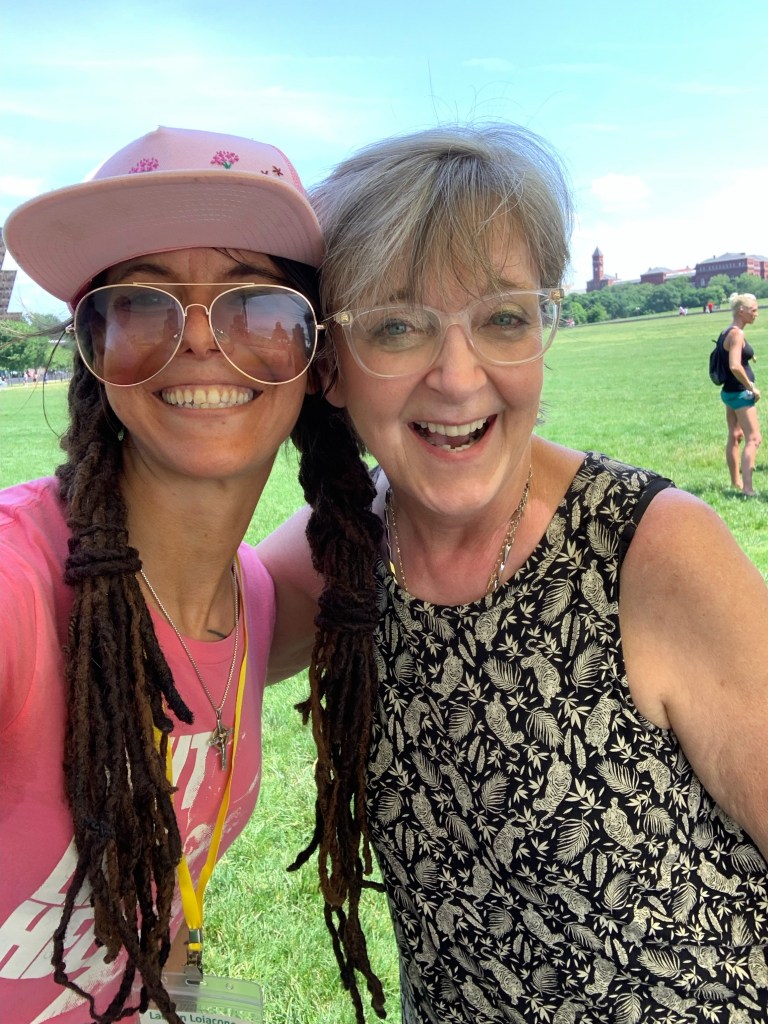
Connie Reguli (right) woth amazing advocate Lauren from Maine. In Washington DC

I would say I operated different than most attorneys in family law … I cared what happened, I was concerned about children in Courtrooms, I advised my clients on the risk of being too emotional and on being unemotional, and at the end of the day I wanted what was ‘best for the children’. However, it is an oxymoron to speak about the best interests of the child in the adversarial family court realm.

I hear so many people say…my lawyer would not defend me…my lawyer would not put on my evidence…my lawyer did not care…my lawyer did nothing. I am not here to defend lackluster representation, but I am here to say blaming lawyer is not the solution. A recent United States Supreme Court decision, Shinn v Ramirez, the Supreme Court said yes it is the luck of the draw that you had not just one but two crappy attorneys, you cannot do a habeus corpus petition on ineffective assistance of counsel. Done ✅.

However, that is not the end of the story. Attorneys also have to work with the lump of clay called your life that you give them. In the context of family and parent-child relationships depending on the “right” attorney to make it right is an ad hominem argument.

From a lawyers view…people come to us with a mess that evolved out of the imperfections in our clients lives. They end up in the imperfect court system. Which is adversarial by design. It’s a war zone. The biggest weapons, and sometimes the best told lie wins. Lawyers only have so many tools and none of them are meant to resolve anything. Only possible result is win or lose. We can’t undo the clients history so it’s the best spin. And then of course it’s about money. Lawyers have so many expenses and so much risk that the costs are driven up. Part of the court game it wearing out the other side, emotionally or financially. They are paid to “do a job” they are paid to engage in a battlefield.

And clients are ill prepared. They don’t understand the system and judge have no patience for stumbling memories. Cross examination is intended to trip you up so a judge can call you a liar – they will use the judicial vernacular “lacks credibility” but all the same – they call you a liar. And in the world of court – the judge has the final say as to whether or not you are a liar.

I have to get you to turn your heads directly into this perverted and demonic snare.

The best I can I will help you resolve, negotiate, and move past the chaos or unfold the mysteries of litigation. If you rely on a fair and impartial judge who will render a decision on the best interest of your child you are waking blindly in a minefield.

I also intend to train an army of advocates to help.

You can contact me to consult on these issues. God bless.

Click on short form consult request.

Connie Reguli

This is the most important election in the country.

fb.watch/cLvbt4zXxq/

Parent partners and individual advocacy

capacity.childwelfare.gov/pubPDFs/cbc/sample-policies-procedures-cp-00184.pdf

Parent partner program.

👆

Washington State and family first

https://www.invw.org/2021/04/09/washington-lawmakers-look-to-keep-families-together-as-part-of-foster-care-reform/?fbclid=IwAR39dUPauzaXOdfYIAy6cEd2u2yHzt3Kwo0_H4NLOShgcYgxWG5mmX-JhB4

2021 Tennessee proposed legislation – child welfare and families

Published by Connie Reguli for

Family Forward Project and Family Forward Foundation.

See the video description here.

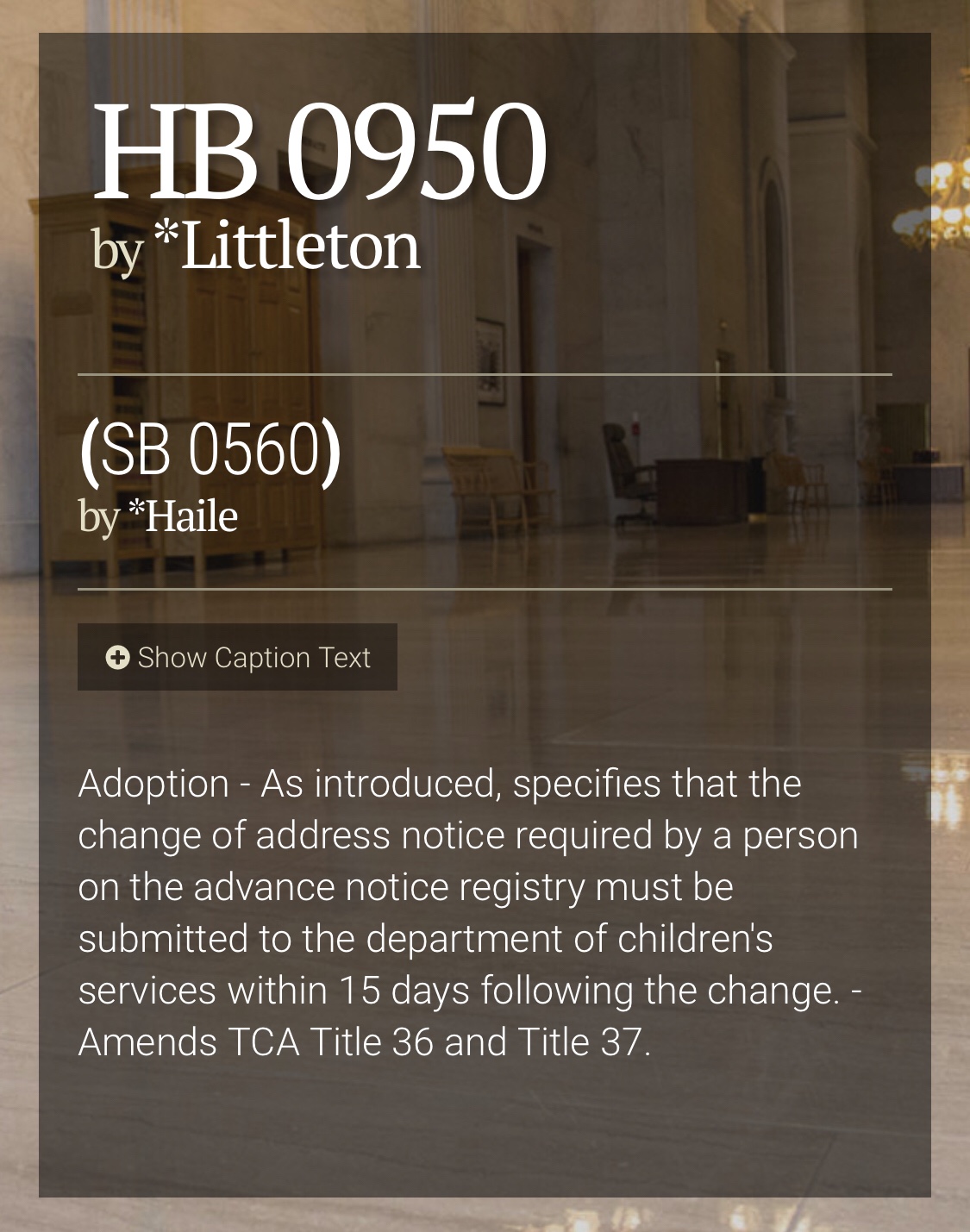
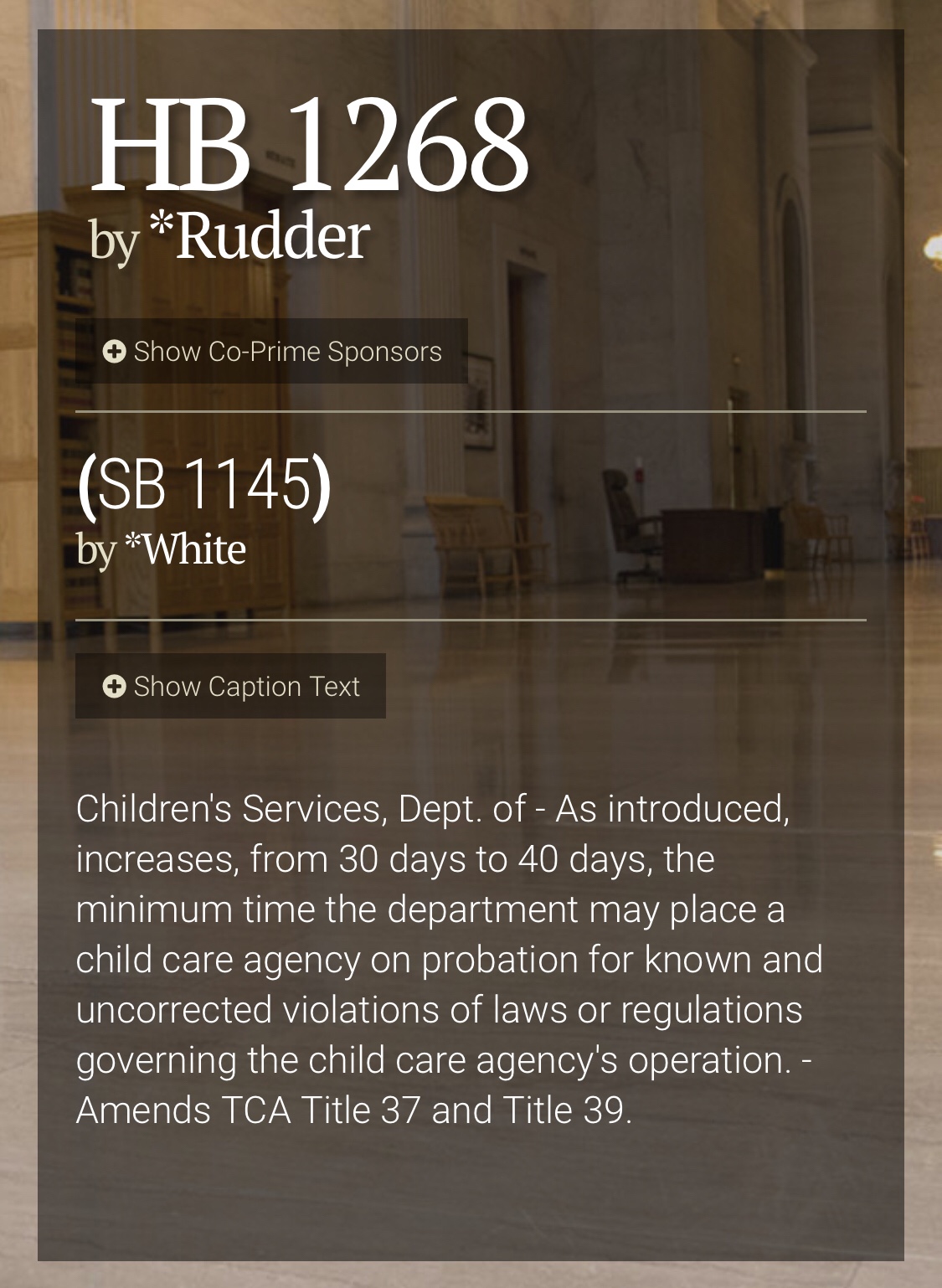
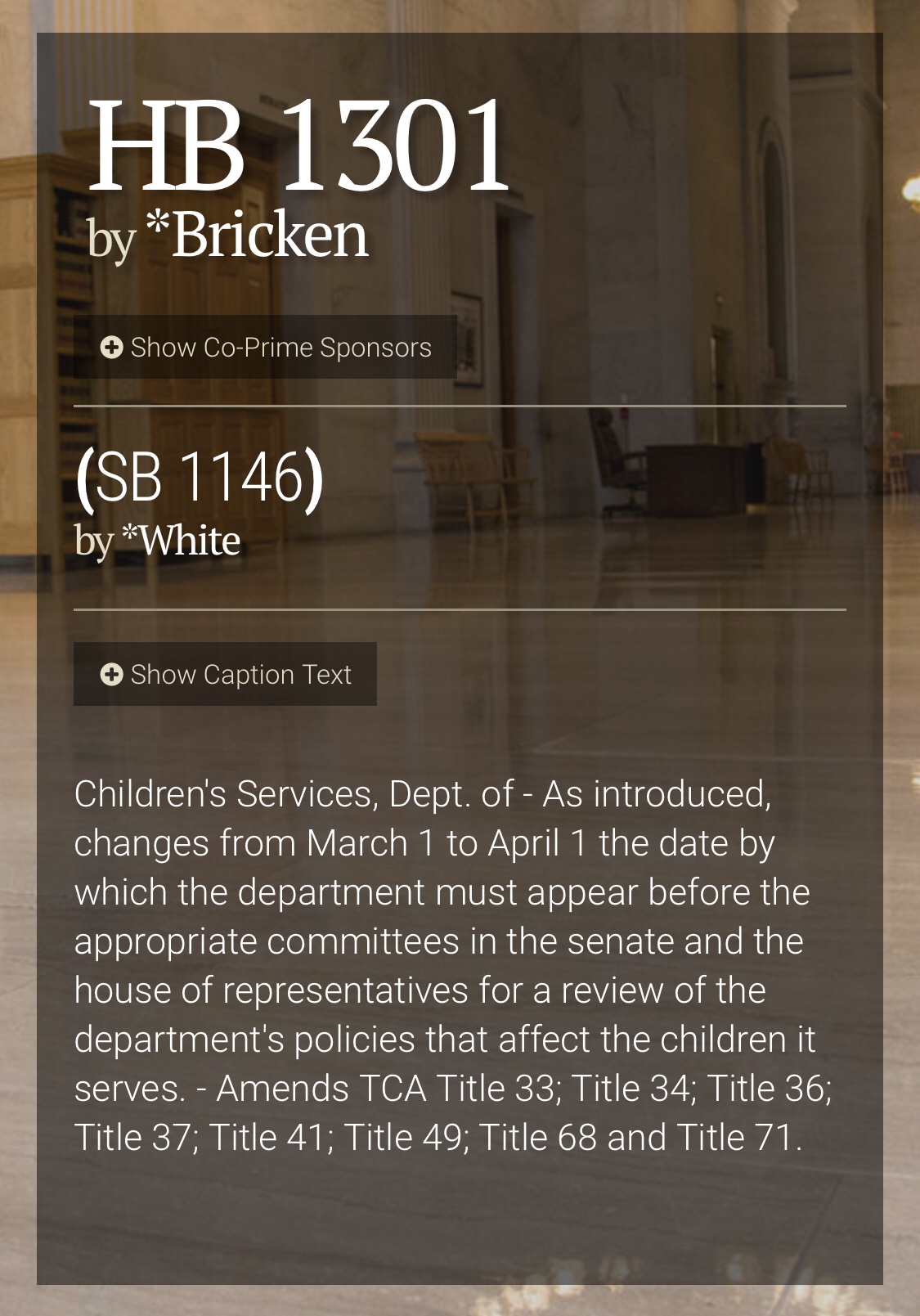
Waiting on Family advocacy bill.

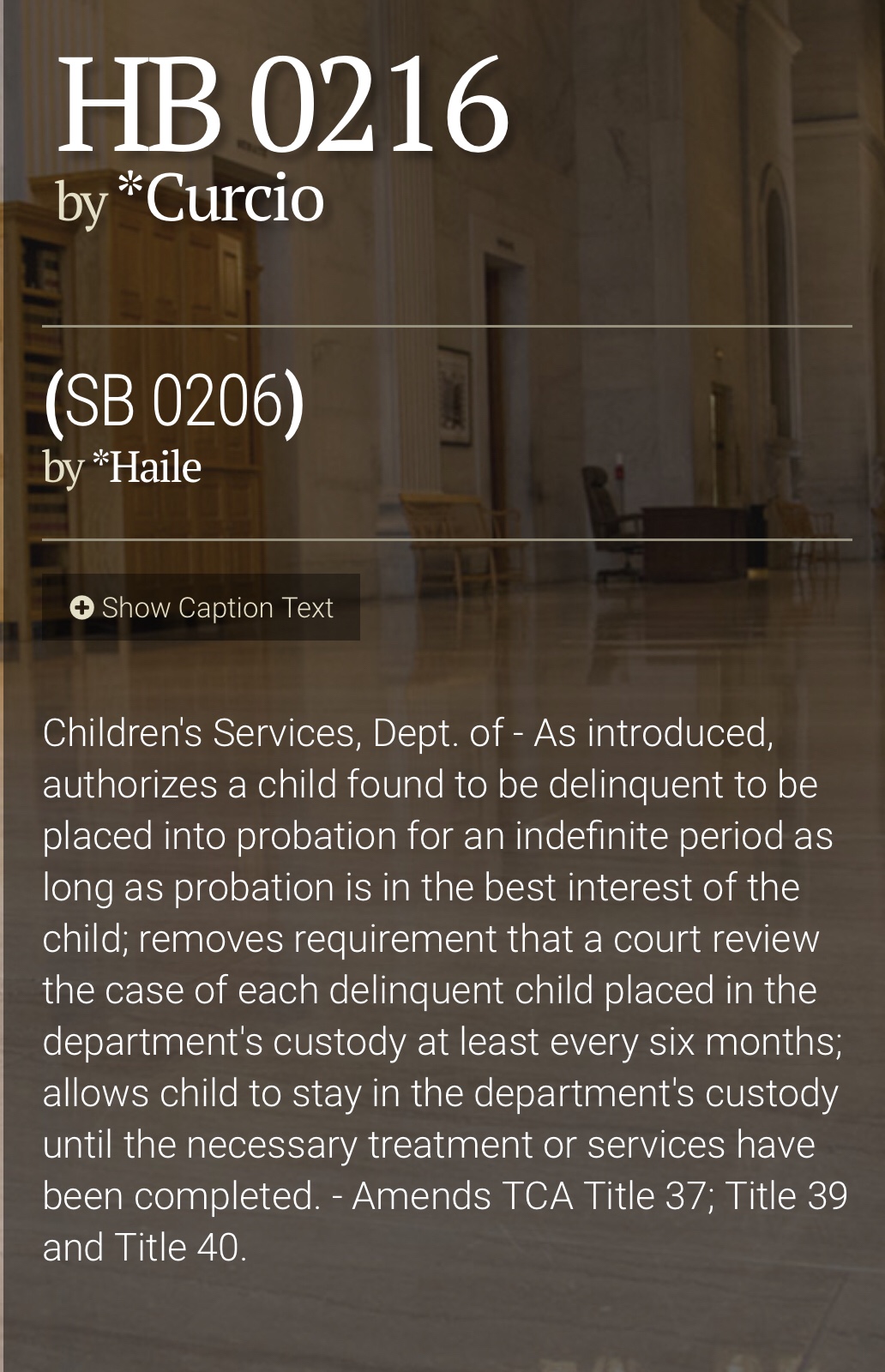
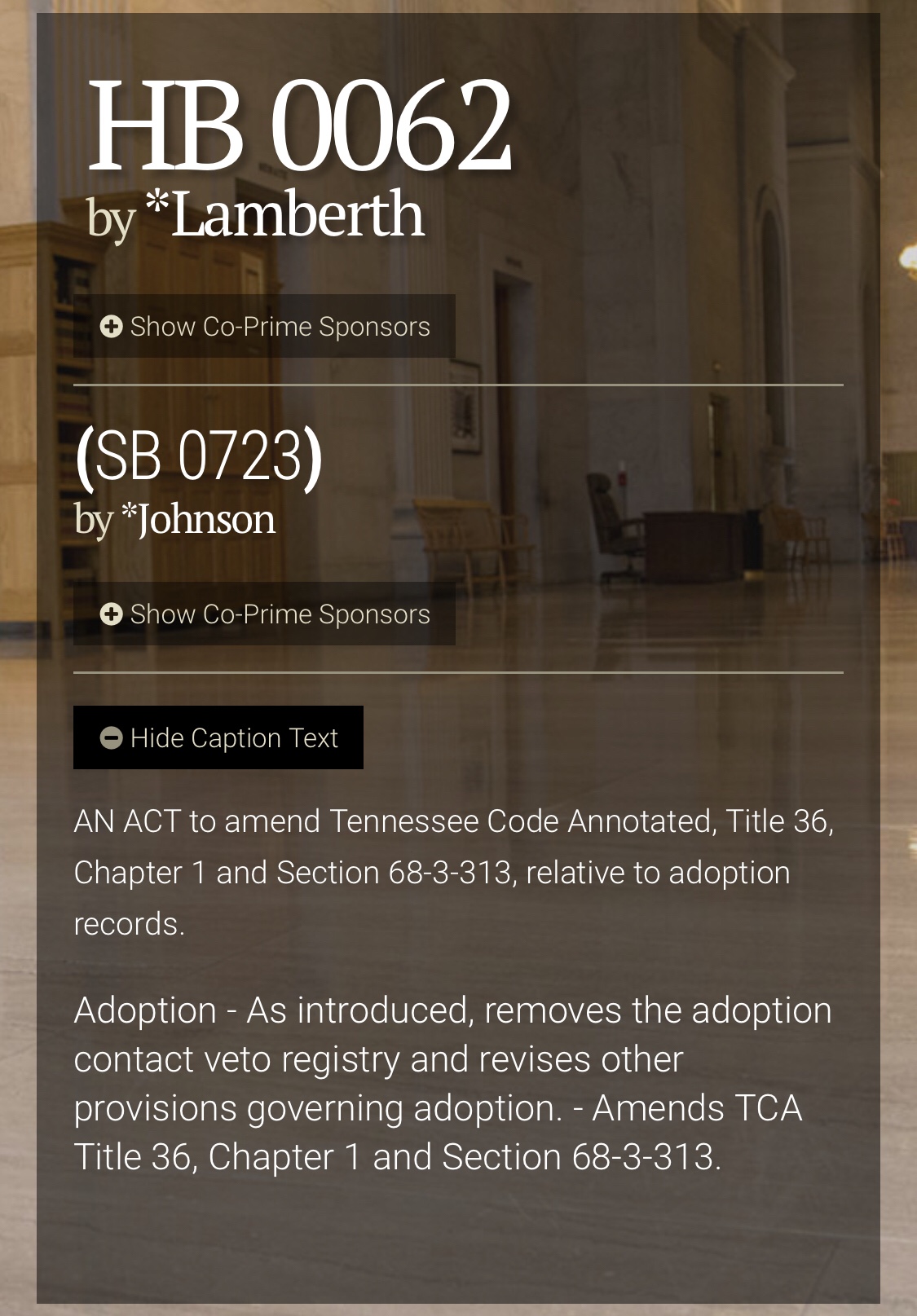
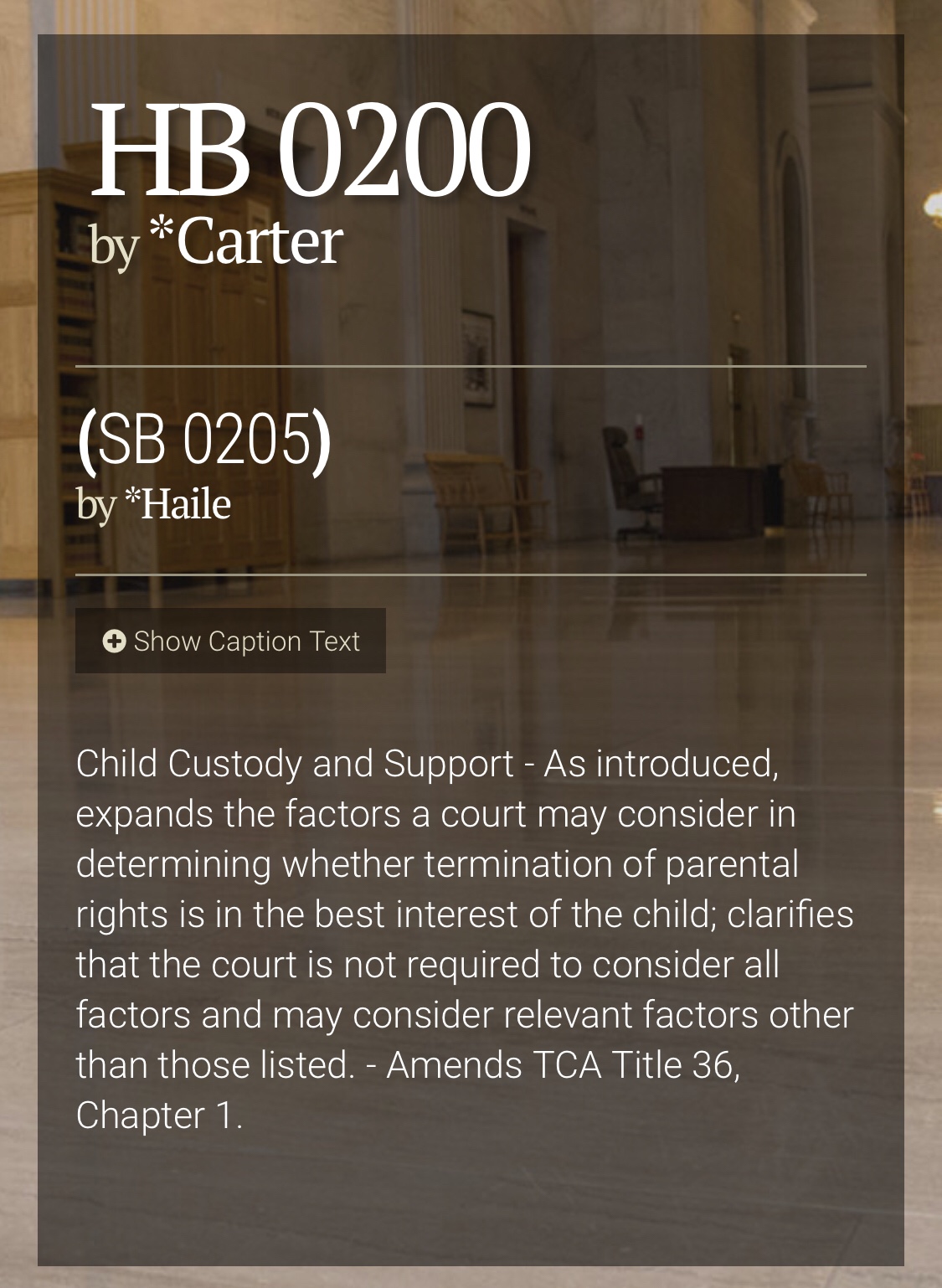
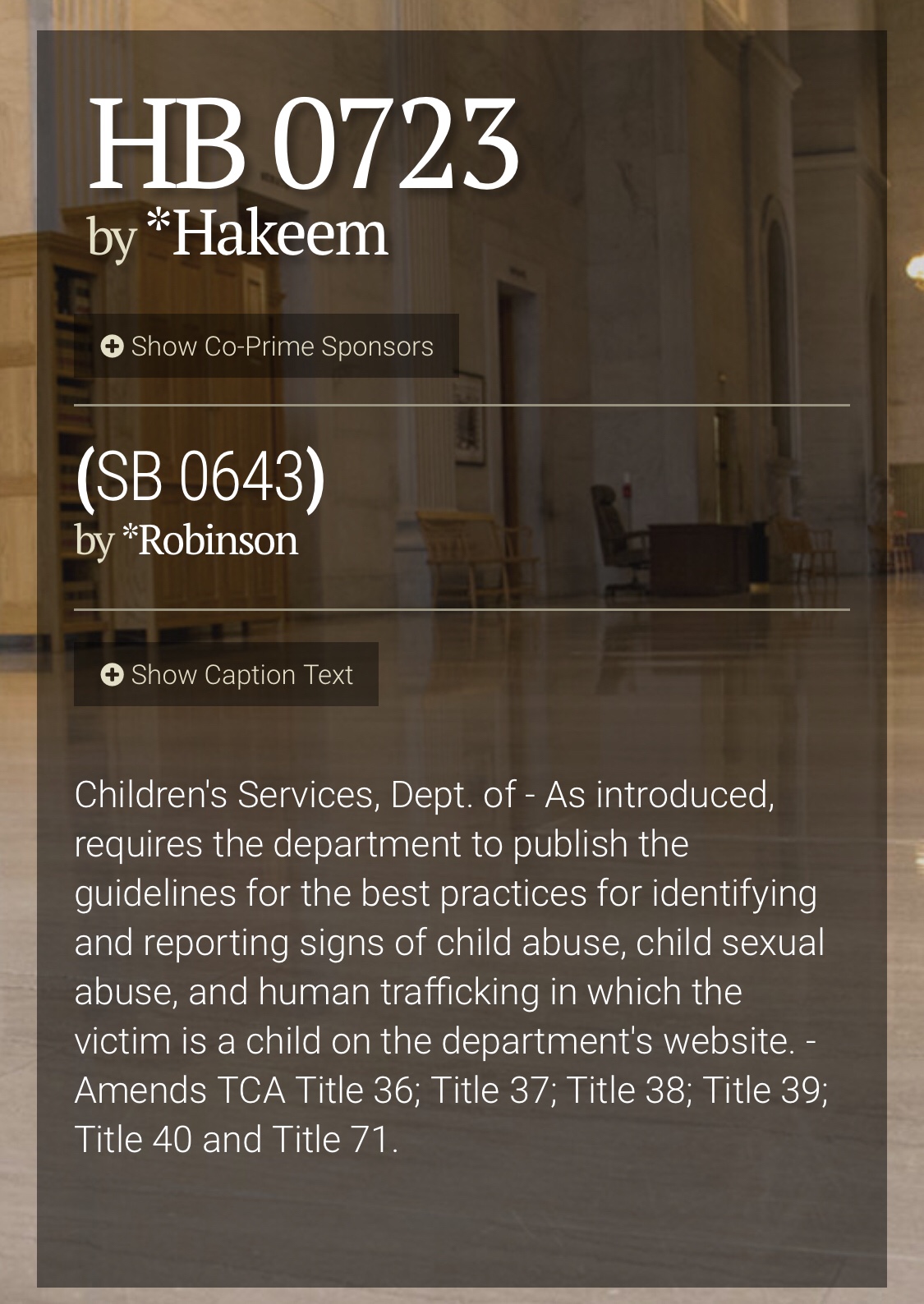
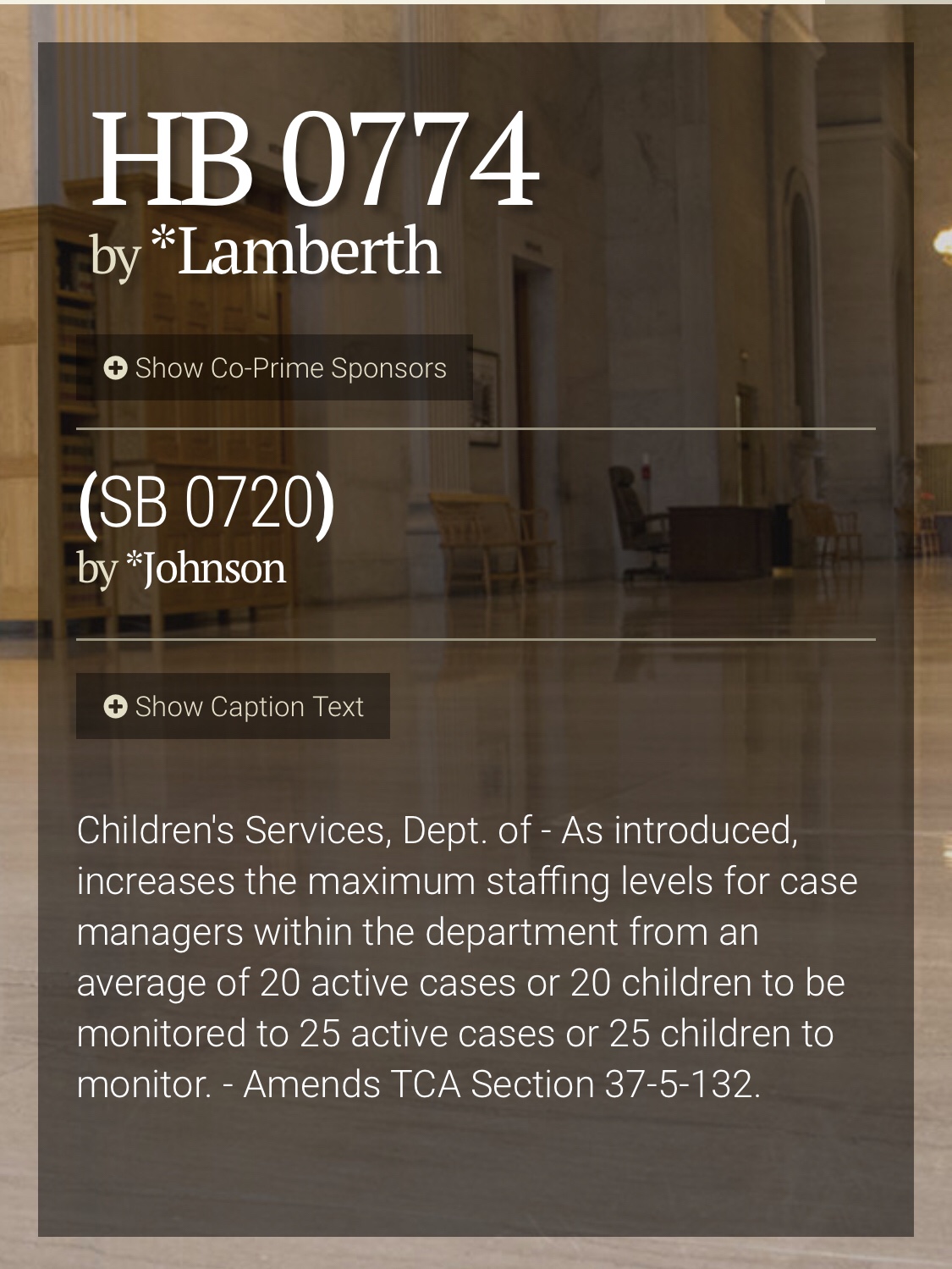
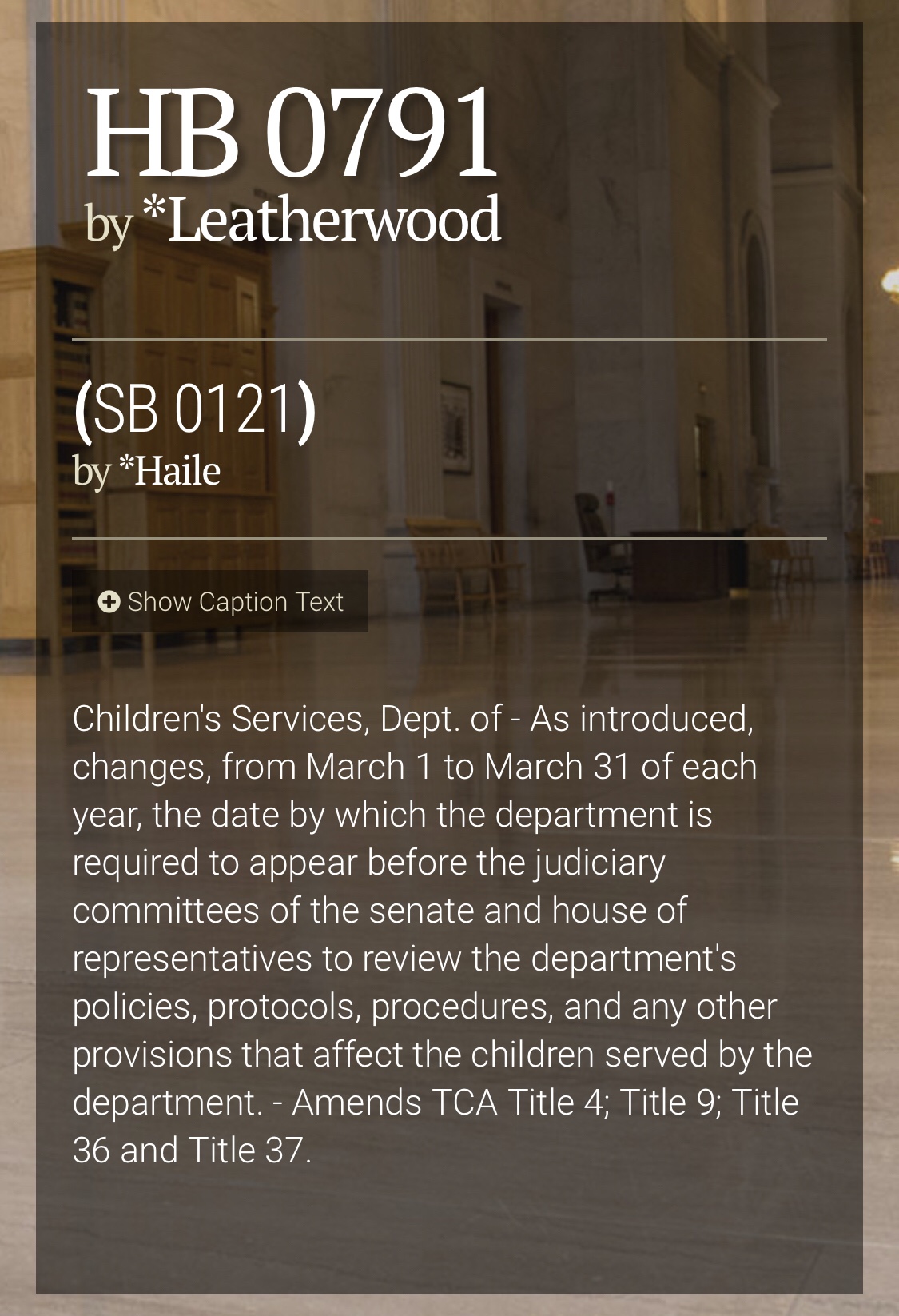
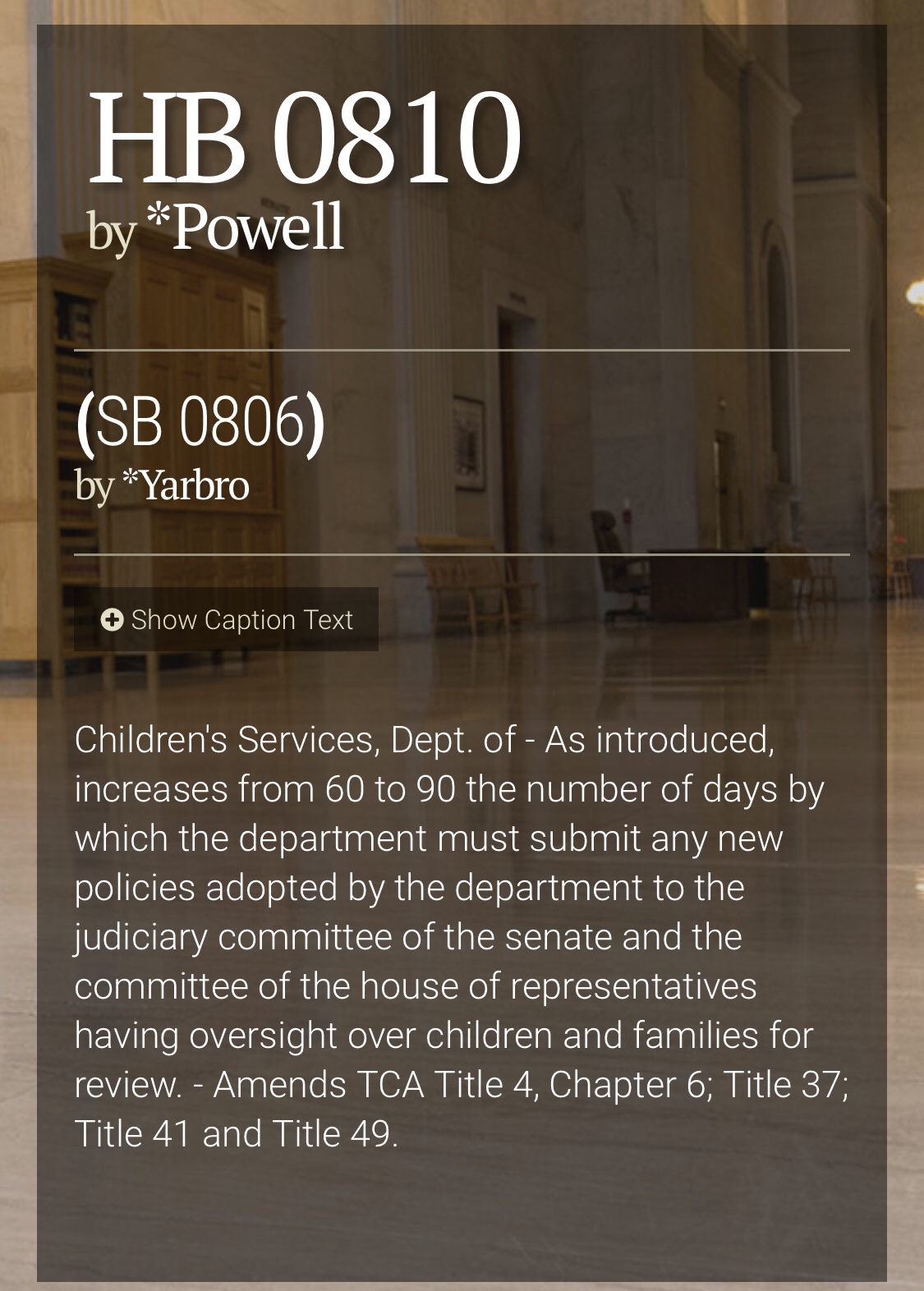
Bills pending as of 2/12/2021 👇

A Time for Nehemiah.

By Connie Reguli. Aug 23 2020

I am moved this Sunday morning to share with you segments of Pastor Johnson’s sermon on the tactics of the devil and the awesome power of Nehemiah.

Read Nehemiah 4 and you will learn of a powerful leader blessed and chosen to strengthen his people in desperate times.

First, you must understand fear. Fear interferes with the building of God’s kingdom. The Bible repeatedly says “fear not” and “fear the Lord” and “fear God”. For if you fail to follow your calling you will NOT receive the blessing. You will live in a state of confusion. Then the warriors in Christ must be gathered wherever they are to take up their shields and do whatever they can do to work on the wall which will shield and protect not just one person but a nation.

Second, you must keep your mind on Christ and know your identity and profess it. To feel the weight of the world of deception and do nothing is a waste of space. You have been promised by the blood of Christ that if two or three of you agree and bring it before God it shall be granted.

Third you must always standard prepared to face the enemy and pray that our leaders are guided by the Holy Spirit to bring redemptive solutions. Much evil is soon to be exposed and it will either drain your spirit or empower you to pick up your shield 🛡 and sword ⚔️ to restore this land. This Nation was created out of an idea 💡 of liberty and freedom. We can only keep our liberty if we are diligent.

Our money says In God We Trust. Our pledge says “one nation under God”. Our first president implored us to seek the will of God and then do it mightily.

In Nehemiah the enemy was disheartened when they realized that building the wall could only have been done with the strength of God Almighty. Now is the time for Nehemiah-leadership in this nation.

Read Nehemiah.

Religious freedom and adoption

July 26 2020 By Connie Reguli

On July 21, 2020 the Second Circuit court ruled on a case out of New York which attempted to shut down a faith based adoption agency (New Hope Family Services) because they refused to consider same-sex couples. This is a win for faith based adoption agencies.

Last year in Pennsylvania, the state agency refused to send referrals for adoption to Catholic Charities because CC refused to consider same-sex couples. The United States Supreme Court has agreed to hear this appeal out of Third Circuit and will likely do so this fall.

NEW YORK & SECOND CIRCUIT

In Second Circuit several civil rights organizations opposed the New Hope adoption agency by filing amici briefs such as the Americans United for Separation of Church and State.

.

Amicus Brief Cover

On reviews of the arguments, this organization claims that the regulation is First Amendment neutral and does not affect the autonomy of the church. However it claims that to allow the church relief is detrimental to the health and welfare of the LBGTQ population.

Issues summary Amicus Brief. T t

This issue is headed to the United States Supreme Court because of a Third Circuit decision out of a court in Pennsylvania.

PENNSYLVANIA AND THIRD CIRCUIT

BPNEWS reported – The U.S. Supreme Court is expected to weigh in on the intersection of religious liberty and same-sex marriage in foster care and adoption during its next term, which begins in October. The justices agreed in February to review a Third Circuit Court of Appeals ruling that the city of Philadelphia did not violate religious freedom by halting referrals to Catholic Social Services because the agency does not place children in the homes of same-sex couples.

The Third Circuit opinion is captioned Fulton Et al v City of Philadelphia Et al. Case No. 18-2574, but is well known as the Catholic Charities case. The court said this:

Excerpt of Third Circuit Opinion

In layman’s terms, Catholic Charities lost. The state was allowed to refuse placements and referrals to CC due to their exclusion policy.

Over 200 (I stopped counting) persons and organizations of interest filed briefs and participated in the appeal. Several states including Texas, Illinois, Delaware, California, Oregon, Vermont, New Jersey, New York, Massachusetts Washington, and Rhode Island, also participated.

FEDERAL SOLUTION?

The Ethics & Religious Liberty Commission (ERLC) proposed a federal solution to the problem for faith-based agencies which is a priority in its legislative agenda. It has worked for adoption of the Child Welfare Provider Inclusion Act, which would bar government discrimination against adoption agencies and other child welfare entities that refuse to take part in serving in a way that contradicts their beliefs.

TENNESSEE LEGISLATES RELIGIOUS FREEDOM.

In NASHVILLE (BP) — Tennessee state senators approved legislation Jan. 14 that would prohibit the state from forcing Christian or other faith-based adoption agencies to place children in homes that would “violate the agency’s written religious or moral convictions or policies.”Senate Bill 1304 passed the Senate by a margin of 20-6. Sen. Steve Dickerson of Nashville was the only Republican voting against the bill, joining the chamber’s five Democrats, according to an article in The Tennessean.

The bill will now go to Gov. Bill Lee for his signature, having passed the house last year by a 67-32 margin.

The bill was opposed by gay rights activist groups and those who felt the bill would have a negative impact on the state’s economy.

Dickerson, in speaking against the legislation, said passage of the bill could cause the state to suffer an adverse financial impact because of “bad public policy,” The Tennessean reported.

According to The Tennessean, eight states across the country have passed similar legislation. The paper also reported it had contacted the governor’s office and received confirmation the governor “would be signing the bill as soon as it reaches his desk.”

WHERE WILL THIS GO?

This ruling by the United States Supreme Court will be precedental. In 2015 the Supreme Court ruled on Oberfell v Hodges which found that the states could not prohibit same-sex marriage. It found that the right to marry was a fundamental liberty and the states could not prohibit marriage based on the gender of the couple.

The adoption issue raises another fundamental liberty issue and it is likely that that the LBGTQ community will claim that the right to parent is a fundamental liberty. However there is no fundamental liberty to adopt.

What is disturbing to me is that the rights of children are not represented here. We already have children removed from heterosexual families and placed in LBGTQ homes for foster to adopt. Do the children have a fundamental liberty to not be placed in this unit? What is the next extension? Will the state welfare agencies accept transgenders as fosters?

We are on a slippery slope. Our national laws regarding relations, family, and marriage are complicated and distorted. A century ago sexual deviation was criminal. It was even illegal to live with or marry your paramour if you cheated during your marriage with that person. Now it is common. As a divorce attorney I saw it all the time.

We have much to do as a nation in this area. Pray for wisdom and pray for our country.

BAM 💥 2.7million kids in care worldwide. Told you so.

By Connie Reguli

pdf.sciencedirectassets.com/271783/1-s2.0-S0145213417X00070/1-s2.0-S0145213416302873/main.pdf

Wrongful removal – Oklahoma – 2018

cases.justia.com/federal/appellate-courts/ca10/16-7079/16-7079-2018-08-27.pdf

By Connie Reguli

In this case a minor child sued for wrongful removal and violation of substantive due Process rights.
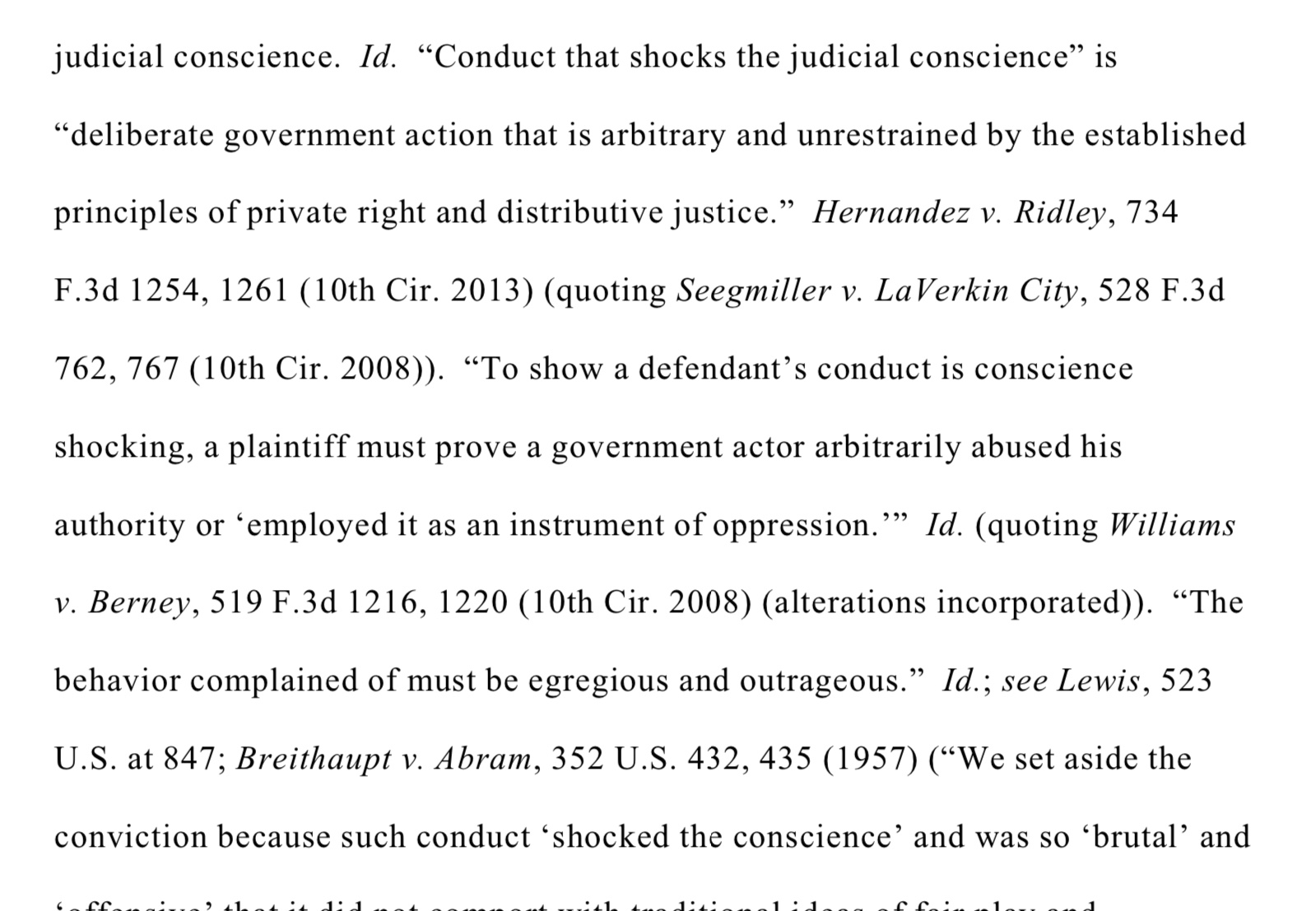
One of the most difficult aspects of a civil rights case is overcoming immunity. In this case the social workers and law enforcement officers claimed qualified immunity for violating the child’s (fourth amendment rights) and substantive due process rights of familial integrity when the child was removed from school for a forensic interview and told by the law enforcement officer that they were going to find him a better home.

In this appeal the tenth circuit court said that the case could proceed on violations of fourth amendment violations. However the court dismissed the claims for substantive due process rights stating that it was not “clearly established” that the child had the right of family integrity in this situation, that is, the fact that the officials impugned his father and damaged his relationship with him was not enough.

Note – analysis of substantive due process – the courts consideration of (1) a fundamental liberty interest vs (2) shock the conscious conduct by state actors.

Good analysis of the reasonableness standard in a claim for fourth amendment violations.

Note. The child was not removed from his home and the Interview revealed no disclosures of abuse.

Here are some excerpts:

The court compares fundamental right to the shocks the conscience standard. –

What is conscious shocking conduct?

Court says that they have implicitly used that standard before.

What you must show for violations of the substantive due process violations of family integrity.

By Connie Reguli

When Parents Speak Out

By Connie Reguli

In many child welfare and child custody cases, the Parents want to reach out on social media. Sometimes for comfort and encouragement; sometimes to rant about the injustice; and sometimes to point out irregularities in the judicial process and express a legitimate concern.

Too often parents are “gagged” by the Courts who cite many reasons, most of which are nonsense. In my experience, most of the means to silence a parent are intended to prohibit them from making valid complaints about the process.

I have been an attorney for 25 years. The judicial process is flawed and the players are human. The fact that a judge gets mad at a parent or an attorney is unprepared happens. However, to the litigant/parent these things interfere with THEIR CASE. They have a right to be frustrated.

Judicial GAG orders are mostly unconstitutional.

Here is why:

THE PROHIBITION AGAINST PRIOR RESTRAINTS

            The United States Supreme Court established a broad prohibition against prior restraints of speech in Neb. Press Ass’n v. Stuart, 427 U.S. 539 (1976).  The First Amendment thus accords greater protection against prior restraints than it does against subsequent punishment for a particular speech.  A system or prior restraint is in many ways more inhibiting than a system of subsequent punishment.  It is likened to being under government scrutiny a far wider range of expression; it shuts off communication before it takes place; suppression by a stroke of the pen is more likely to be applied than suppression through a criminal process; the procedures do not require attention to the safeguards of the criminal process; the system allows less opportunity for public appraisal and criticism; the dynamics of the system drive toward excesses, as the history of all censorship shows.  It has been generally, if not universally, considered that it is the chief purpose of the First Amendment’s guaranty to prevent prior restraints upon publication. 

            The Nebraska Press case dealt with the Court’s attempts to suppress publication of events that happened in the courtroom and attempted to expand that limited exception to this prohibition.  The Supreme Court rejected this attempt to shut down reports of judicial proceedings, determining that the Courtroom was already in the public domain.

            In 2002, the Middle District Court of Tennessee considered the government’s role in prior restraint on speech in the context of controlling a non-profit’s ability to raise charitable donations.  A prior restraint exists when the exercise of a First Amendment right depends on the prior approval of public officials.  The term prior restraint describes administrative and judicial orders that block expressive activity before it can occur.  Under a system of prior restraint, the lawfulness of speech turns on the advance approval of government officials.  Although prior restraints are not unconstitutional per se, they come to court bearing a heavy presumption against their validity.  Feed the Children, Inc. v. Metro. Gov’t of Nashville,  330 F. Supp. 2d 935, (M.D. Tenn. Mar. 21, 2002)  SEE ATTACHED. 

            The Tennessee Court of Appeals recognized the federal guidelines on prior restraint of speech in In re Conservatorship of Turner, M2013-01665-COA-R3-CV, (Tenn. Ct. App. May 9, 2014).  It acknowledged that an impermissible prior restraint exists when the exercise of First Amendment rights depends upon prior approval  of public officials.  A system of prior restraints bears a heavy presumption against its constitutional validity.  The Court did recognize the exception stated by the Sixth Circuit in which a person could be prohibited from repeating the same libelous and defamatory statements which have been judicially determined in proceedings to be false and libelous

THANK YOU FOR PROVIDING A REVIEW.

THE PROHIBITION AGAINST CRIMINAL SEDITION

            In 1984, the United States Supreme Court entered an opinion in Garrison v. La., 379 U.S. 64, (1964) in which discussed a dispute between the district attorney and a judge.  The attorney held a press conference where he issued a statement disparaging judicial conduct.  The district attorney was arrested under the criminal sedition laws of New York.  The court stated that where the criticism is of public officials and their conduct of public business, the interest in private reputation is overborne by the larger public interest secured by the constitution, in the dissemination of truth.  Even where the utterance is false, the great principles of the Unites States Constitution which secure freedom of expression in this area preclude attaching adverse consequences to any except the knowing or reckless falsehood. Debate on public issues will not be uninhibited if the speaker must run the risk that it will be proved in court that he spoke out of hatred; even if he did speak out of hatred, utterances honestly believed contribute to the free interchange of ideas and the ascertainment of truth.  Since an erroneous statement is inevitable in free debate, it must be protected if the freedoms of expression are to have the breathing space that they need to survive, only those false statements made with the high degree of awareness of their probable falsity may be the subject of either civil or criminal sanctions.  For speech concerning public affairs is more than self-expression, it is the essence of self-government.  The First and Fourteenth Amendments embody a profound national commitment to the principle that debate on public issues should be uninhibited, robust, and wide-open, and that it may well include vehement, caustic, and sometimes unpleasantly sharp attacks on government and public officials. 

SHARING THE BLISS OF FAMILY LAW IN TENNESSEE

JULY 26, 2017 – Connie Reguli

I had lunch today with one of my favorite members of the Davidson County Bar who also suffers through juvenile court on a regular basis like I do. We both like to challenge the perspectives of the Juvenile Court judges, we both stand up for clients in difficult situations, and we both have watched judges in the Courtrooms do some strange things.

We always share what has been going on in our cases from the legal perspective. How we challenge the government is one our favorite topics.

Topics of discussion today:

Evidence – Rule 803(25) – the hearsay exception on allowing children's statements though other persons. The rule specifically allows this in dependency, termination, and custody proceedings. Therefore, if you are in a administrative hearing contesting an child abuse indication, this hearsay exception does not APPLY.

Termination of parental rights and Adoption – We discussed how the Court of Appeals decided this year that foster parents have the right to file for termination of parental rights and adoption. EVEN though 37-1-129 give DCS total control over placement once the child is in DCS custody and 37-1-130 gives DCS the authority to return a child to the parents. It begs the question that if foster parents file for termination why DCS doesn't go get the child and move him/her. A termination and adoption proceeding is NOT a custody proceeding. Therefore, the tpr/adoption court does NOT have jurisdiction to award custody.
In 2015, the Court of Appeals ruled that "former foster parents" have NO standing to seek termination of parental rights and adoption against a parent. But in 2016, the Court ruled that current foster parents DO have standing to file a contest termination and adoption petition against DCS.
Put this back to back with the rule that grandparents have NO standing (right) to intervene in a termination proceeding filed by DCS when children are in foster care. The Court of Appeals in Tennessee has ruled that the only relief that can be granted in a TPR is termination of parental rights and guardianship, therefore, grandparents can not intervene. Of course they do not discuss that the grandparents could be awarded guardianship in that same proceeding.
Okay, so one more twist to this. I represented a Mother who lived in Texas and the children lived in Tennessee with their Father. Father dropped dead suddenly. Stepmother rushed to Juvenile Court and got an ex parte custody order saying the Mother abandoned the children. Then, she ran over the Chancery Court and filed to termination and adoption, so she could get the survivor benefits of Social Security. Mom came to Tennessee to fight for her children. Under the abandonment statute, the stepmother was going to show that Mom did not pay child support so therefore, there were grounds for termination. I wrote three briefs that the stepmother lacked standing at the request of the Sumner County Chancery Court. The judge made us come back three times just to argue the legal standard. Finally, he agreed with me and dismissed stepmother's petition. Even after he FULLY dismissed her petition, he refused to give the kids back immediately. He said the kids needed time to say goodbye and gave the stepmother two more weeks to turn the kids over. I asked him put the exact date and time in the order. Sure enough, stepmother did not show up. At least the Mother had a court order and she was able to get law enforcement to help get them back.

ICPC – Interstate Compact for the Placement of Children. First of all, this document created by a third party is total HEARSAY. Several years ago, guardian ad litems used to file reports with the court. In Toms v. Toms, the Tennessee Supreme Court finally said that these are HEARSAY and cannot be admitted in the court file. HOWEVER, DCS and CASA continue to file ex parte hearsay reports with the juvenile court ALL THE TIME. And the ICPC report it total hearsay. Well it doesn't matter much if your client PASSES the ICPC. But if your client FAILS the ICPC, you are flat out of luck. I had a client/Mother who moved to Kentucky and her case was in Tennessee. DCS told her she had to get an ICPC passed before she could get her kids back. Okay, we say, bring it on. A Kentucky social worker shows up at her home. I told Mother to record everything. So she recorded the entire 20 minute visit by the social worker. As she walked out the door, the social worker was asked, Is everything Okay? "Y'all have nothing to worry about." She said. Then the client failed the ICPC in the report because she did not have central air conditioning and they said her boyfriend was "too controlling." I filed a petition for custody and the Juvenile Court judge in Sumner County would not even let us be heard. DCS said that the Mother did not even have the right to a hearing if she did not pass the ICPC. In 2016, the Court of Appeals told my client, a father who never harmed or abused his child, that since he failed the ICPC (because he lived with his mother) that he was not entitled to seek custody. They also said that since he was not married to the Mother, he NEVER had any custodial rights. In 2015, the Court of Appeals said the relatives who failed the ICPC were NOT entitled to seek custody even after the judge held an evidentiary hearing and found that it was in the best interest of the child to go with the relatives. Recently, the Court of Appeals has ruled that a parent does not have to comply with ICPC, but only if there are no allegations against that parent.

CHILD AS A PARTY / CHILD AS A WITNESS – Is the child a party to a dependency and neglect action in Juvenile Court under 37-1-103? Children, especially, those over 12 years old, are often the reporters of abuse and neglect against their parents. They may or may not be legitimate claims. If the child is going to testify in a hearing, the parents' attorneys should have access to the child for deposition testimony. Now how does that occur. Most Courts will allow the testimony of the child in chambers or outside of the presence of the parents. However, the attorneys and the court reporter are allowed to participate. There is no direct authority on whether or not the parents should be allowed to participate in the child's deposition. I have had the parents across the table from child for purposes of deposition without objection. I understand that Williamson County Juvenile Judge Guffee denied counsel the right to depose the minor accuser/witness.

VANDERBILT CHILDREN'S HOSPITAL AND DR. DEBORAH LOWEN – For those who don't know, Dr. Lowen is the child abuse expert at Vanderbilt – the go-to hospital for child abuse referrals. We both agreed that this doctor is the ultimate profession henchman for DCS. Everything she sees "could have only happened from abuse." I have dealt with her inflexible and unwavering opinions regarding her "medical diagnosis" of "child abuse." We also discussed the legal standard for a "reasonable degree of medical certainty." Attorney John Day recently reported that the Third Restatement on Torts has rejected the "reasonable degree of medical certainty" standard because "the reasonable-certainty standard provides no assurance of the quality of the expert’s qualifications, expertise, investigation, methodology, or reasoning."
Added to the complexity of this cliche legal standard is the contrast between the preponderance of the evidence standard and the clear and convincing standard required in a dependency proceedings.
In all cases, parents' attorneys should be requiring "child abuse experts" to provide the medial research, literature, case studies, and review articles that support their opinion. Remember that most medical opinions are formed from "medical literature" and NOT medical RESEARCH. Know the difference. Literature is just an opinion. Medical literature changes over time and so do medical opinions. It takes substantial preparation on the part of the defense attorney to understand how to defeat these medical experts.

MANY MANY PARENTS find themselves in the abyss of the family court system. And often they wonder why we can not give them black and white answers on questions related to parental rights.

The system needs a major overhaul.

FOSTER PARENTS ALLOWED TO TERMINATE PARENTAL RIGHTS

January 2, 2016                    By  LawCare Family Law Center

Connie Reguli – Tennessee

connie

I am beside myself.  Tennessee Court of Appeals has just taken a turn for the worse against the constitutional right to parent. On December 30, 2015, the Tennessee Court of Appeals entered an opinion which upheld the trial Court in allowing the foster parents to file a termination proceeding against the Father and allowing them to succeed in the adoption of a child in their care and in the custody of the Department of Children’s Services.

The opinions of In re R. L. M., E2013-0273-COA-R3-PT (Jan 29, 2015) and In re Rainee M., E2015-00491-COA-R3-PT (Dec 30, 2015) shed little light on the underlying facts of the case.  All that can be gleaned from these opinions is this child was placed in foster care September 2012 and the Court adjudicated the child dependant and neglect December 6, 2012.  The opinion gives no factual basis to justify placing the child in foster care.  The Department of Children’s Services then filed a petition to terminate the father’s parental rights on the grounds of (1) abandonment by failure to provide a suitable home T.C.A. § 36-1-113(g)(1) and T.C.A. § 36-1-102(1)(A)(ii)  and (2) persistence of the conditions that led to the child’s removal T.C.A. § 36-1-113(g)(3).

The Juvenile Court had a hearing and entered an order terminating father’s parental rights December 9, 2013. The Father filed an appeal.  In this appeal, DCS conceded that an essential element of its case was not established by the proof.  DCS contended that the judgment must be reversed because they failed to establish an essential element for grounds for termination in that they did not file a copy of the order adjudicating dependant and neglect from the prior proceeding.

For termination of parenting rights under “failure to establish a suitable home”, DCS must establish that the child was removed from the parents’ home by order of the court in which the children were found to be…dependant and neglected…at least four months prior ot the filing of the petition to terminate the parent’s rights.  In re Zmaria C. M2009-02440-COA-R3-PT (Aug. 24, 2010)

For termination of parental rights under persistence of conditions, DCS must establish that a prior court order removing the child from the a parent’s home was based on a judicial finding of dependency, neglect, or abuse.  In re Audrey S. 182 S.W. 3d 838, 874 (Tenn. App. 2005)

Since DCS did not file an order adjudicating the child dependant and neglected, they had not established a essential element required by law.  The Court of Appeals agreed and reversed the Trial Court’s termination order.  See In re R. L. M., E2013-0273-COA-R3-PT (Jan 29, 2015)  An interesting note is put in the last page of the opinion that states, “Lest there be any doubt, we emphasize that this decision has absolutely no effect on the child’s custody.”

Although not specifically stated within these opinions, DCS must have known this was coming down the pike. Pending the appeal on the termination, the foster parents went to Chancery Court and filed a petition for termination of parental rights and adoption.  The Father’s counsel made several legal arguments to attempt to dismiss this Chancery Court proceeding.  He argued (1) the Court lacked subject matter jurisdiction because the termination of parental rights was on appeal; (2) that the issues were not justiciable; (3) that the doctrine of res judicata applied and the petitioners should be precluded from proceeding against the father; and (4) that the doctrine of collateral estoppel would bar relitigation on the issue of terminating his parental rights.

The trial Court denied the Father’s motion to dismiss and conducted a hearing on October 27, 2014.  The Court took the matter under advisement.

As described above, the Court of Appeals reversed the first termination proceeding in an opinion entered January 29, 2015.

On February 23, 2015, the Chancery Court entered an order terminating father’s parental rights on the very same grounds (1) abandonment for failure to provide a suitable home; and (2) persistence of conditions that lead to the removal of the child from the home.  Neither opinion offers any factual summary, and it appears from the dates provided that the two hearings were about a year apart, so we cannot tell what evidence was offered against the Father.

The Father filed a appeal to the Court of Appeals and his counsel raised the same issues on appeal and added (5) that the trial court failed to comply with the mandate provisions in T.C.A. § 36-1-113(k) to provide written findings within 30 days of the hearing.

The Court of Appeals dismissed the Father’s arguments in short order.

Subject matter jurisdiction while on appeal:  The Court of Appeals said that because this was a different case than the one filed in Juvenile Court that the argument did not apply.

Justiciability:  The Court found this argument to be “unavailing.”  The justiciability argument is based on the matter being “ripe” – whether the controversy warrants judicial decision – and “moot” – whether the matter continues to warrant judicial intervention.

Res Judicata and Collateral estoppel: The Court of Appeals found that because the foster parents were different parties seeking to terminate the Father’s parental rights and the judgment was “not final” in the Juvenile Court, that these principles did not apply.

Final Ruling:  The Court of Appeals also found that there was no articulated harm done in the trial Court’s failure to enter a final ruling within 30 days of the hearing.

Besides smelling really bad, this series of events places all parents dealing with a child protective agency at risk.  If DCS does not get it done one way, they will try another.  There remains a fatal flaw in this case and hopefully Father’s attorney will take this to the Tennessee Supreme Court.

You see, in my opinion, the foster parents did not have standing to file the petition, and therefore the Chancery Court lacked jurisdiction to hear the case.  Jurisdiction is always a matter to be considered by the Court and so even though Father’s attorney did not raise this issue before, he can still do it.

Number One:  Foster parents are under a contract with DCS that they will not take any legal action in regard to seeking adoption independent of DCS.  Although we might not be able to get that in the Court record at this level, I wish Father’s counsel would have requested a copy of that contract.

Number Two:  And more important, is that the adoption statute does not provide that a person in mere possession of a child can file a petition for termination of parental rights and adoption.  T.C.A. § 36-1-115 requires that for a person to have standing to bring an adoption action, they must have at physical custody of the children or the right to receive it.  “Custody” is a legal term and cannot be preempted by mere possession.  When a statute creates a cause of action and designates who may bring an action, the issue of standing is interwoven with that of subject matter jurisdiction and becomes a jurisdictional prerequisite. Osborn v. Marr, 127 S.W.3d 737, (Tenn. 2004) If the foster parents did not put into the record an order adjudicating them as the legal custodians of the child, this case must be dismissed.