Okay I made it to DC. Up at 4. Nashville. Atlanta. One hour to get a coffeee at the airport. Second leg of flight sat by the baby. I always chose the baby. After all I am a grandma. Her daddy is a lobbyist. That was convenient. Got a grumpy flight attendant who told me he did not have time for me. I was rescued by the man across the aisle. I try to stay invisible when I fly. I don’t want to be the person that the crew talks about later…”there was that one woman…”. Rescue stranger also has vitiligo so we engaged in a brief exchange while unloading the plane. Reagan in its usual packed noisy chaotically organized frame of mind. Waiting for our Alabama warrior Terri LaPoint before we head across the bridge. Let’s see what this week holds.
MONDAY APRIL 7
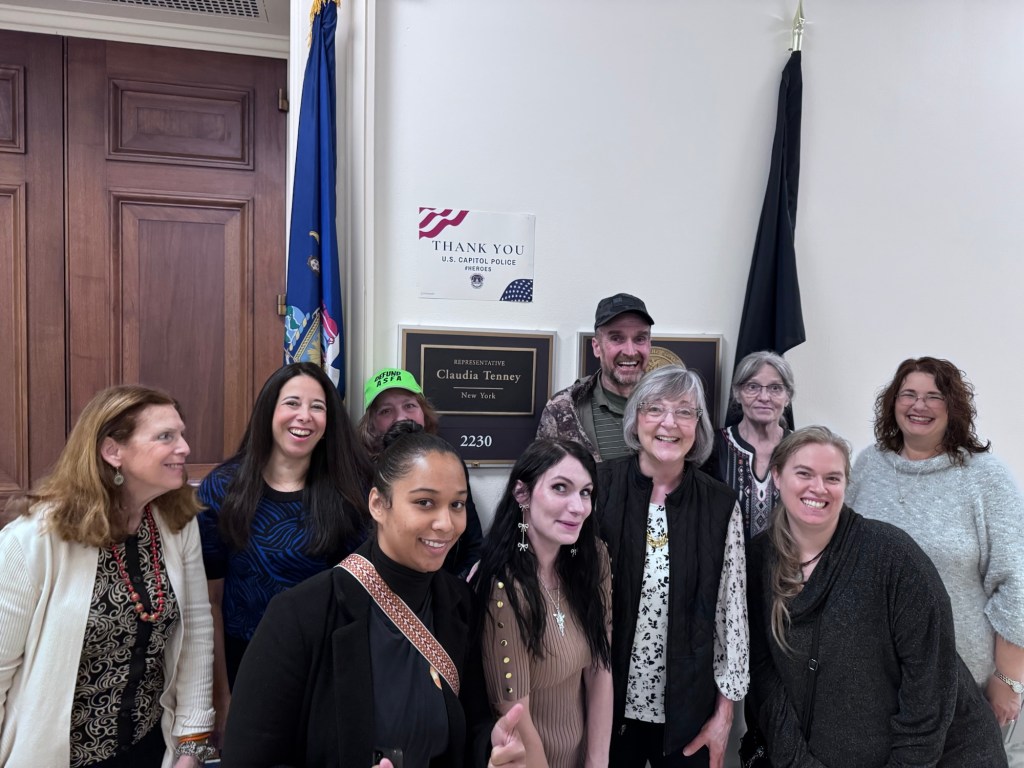
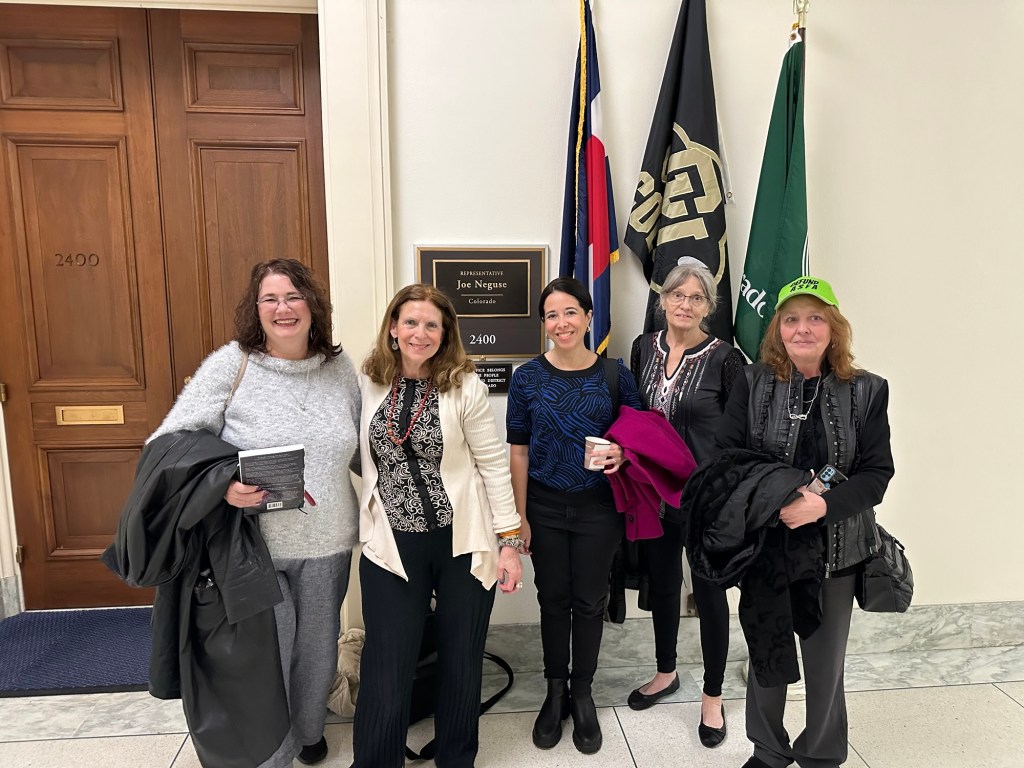
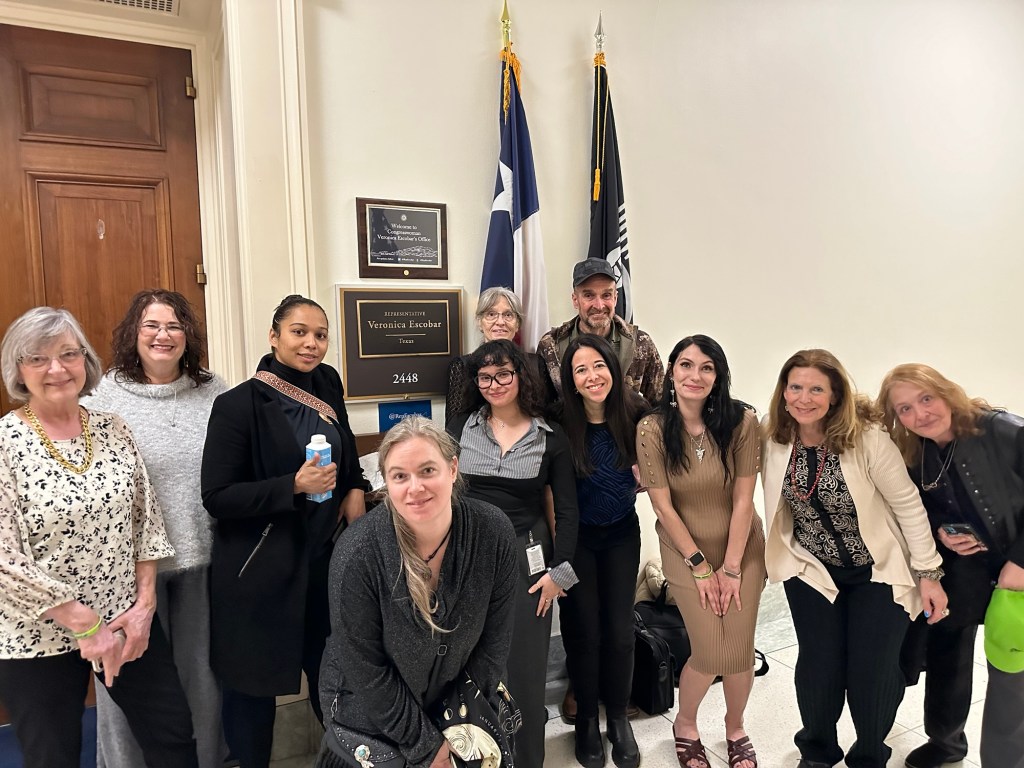
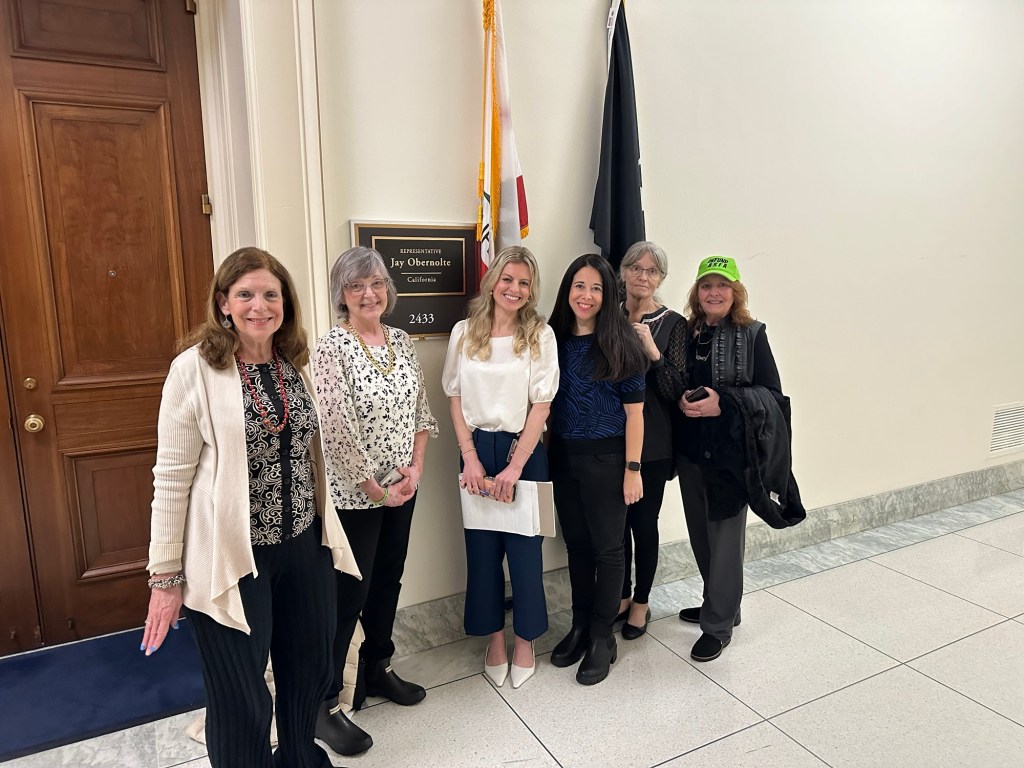
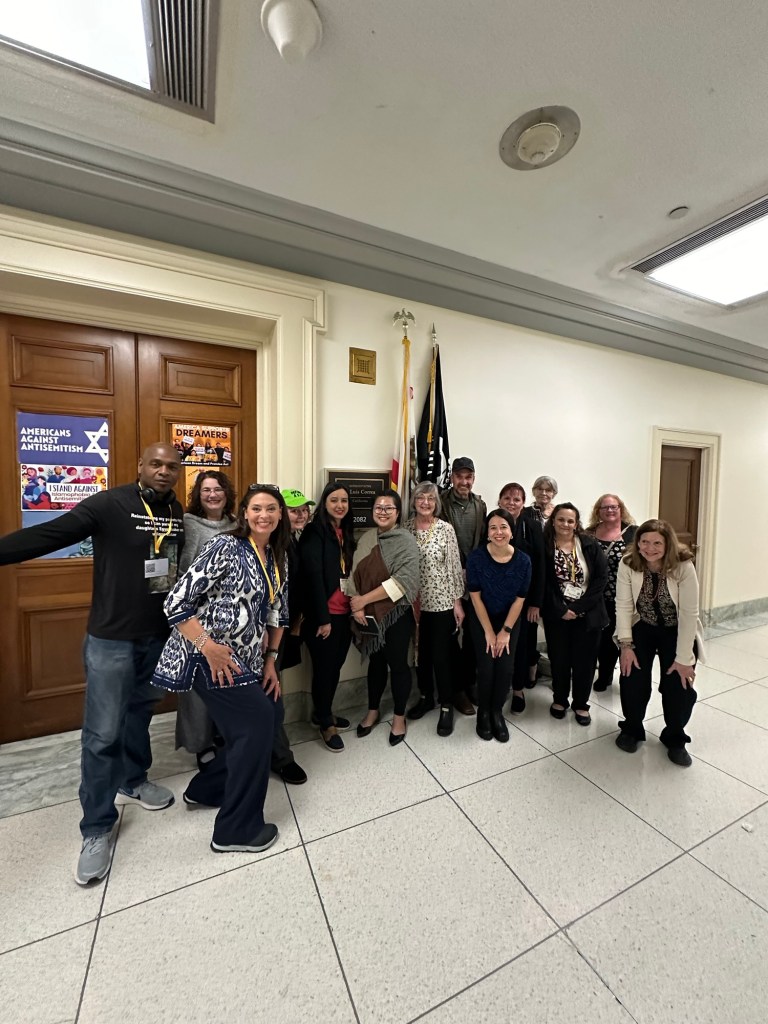
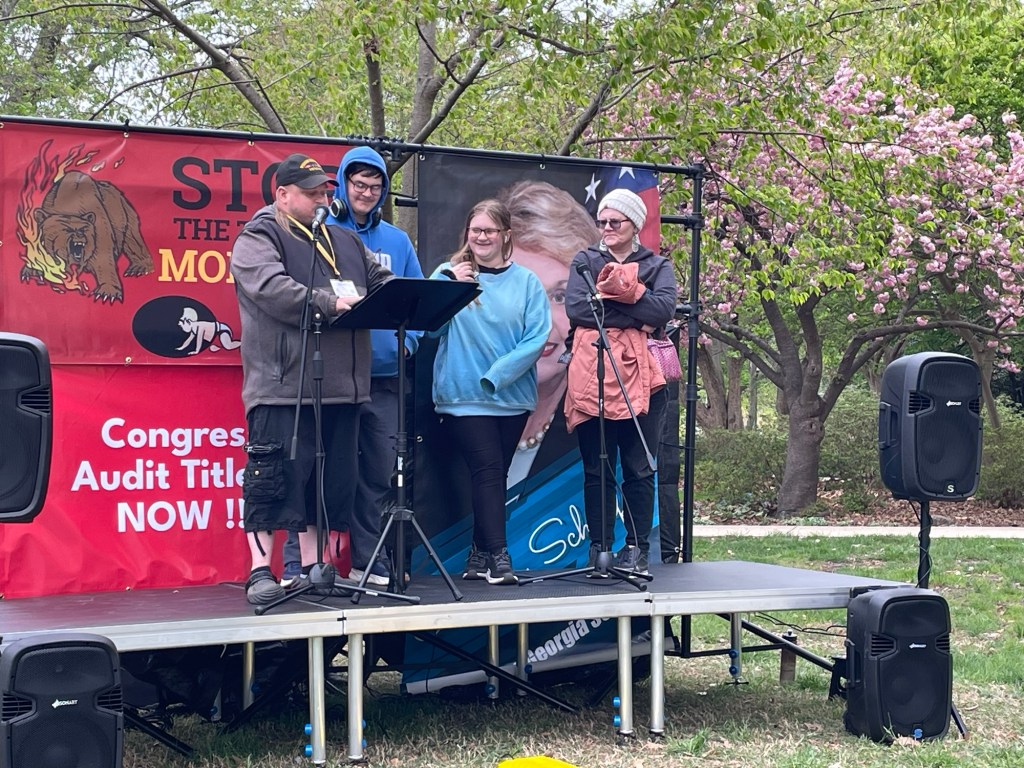
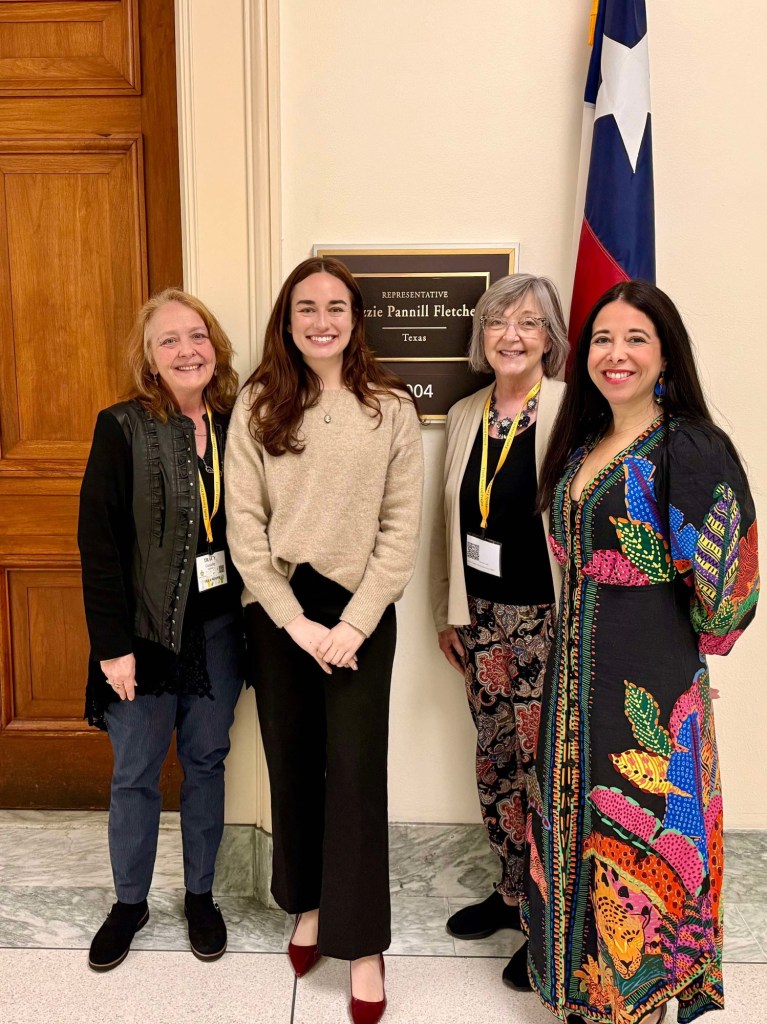
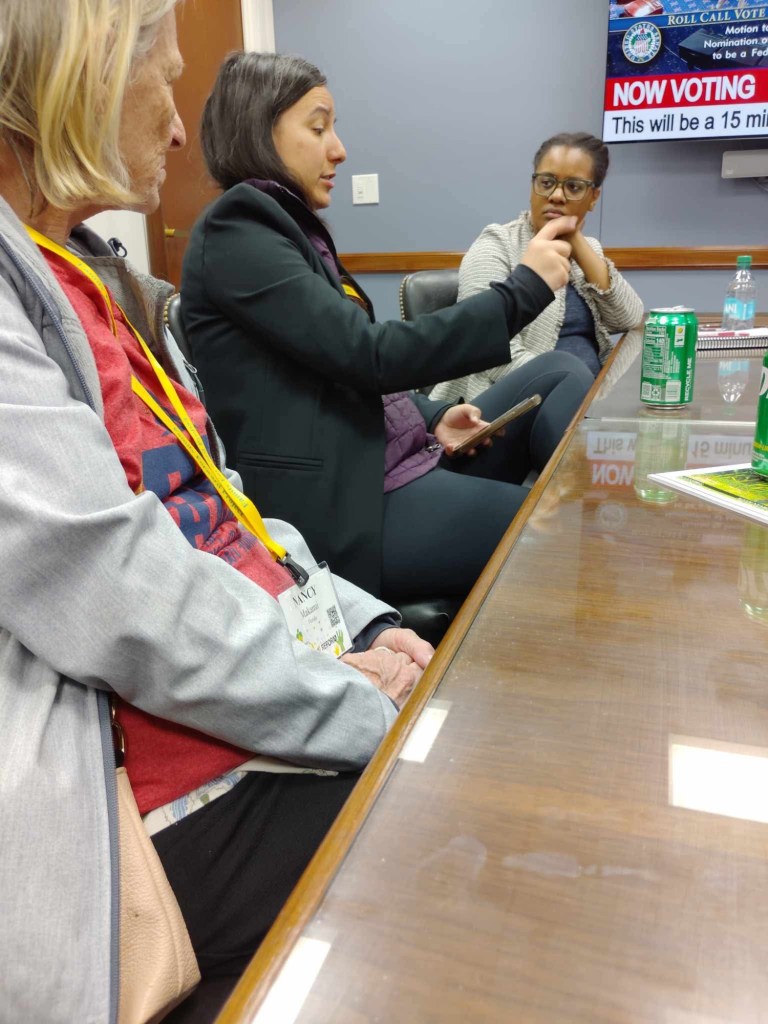
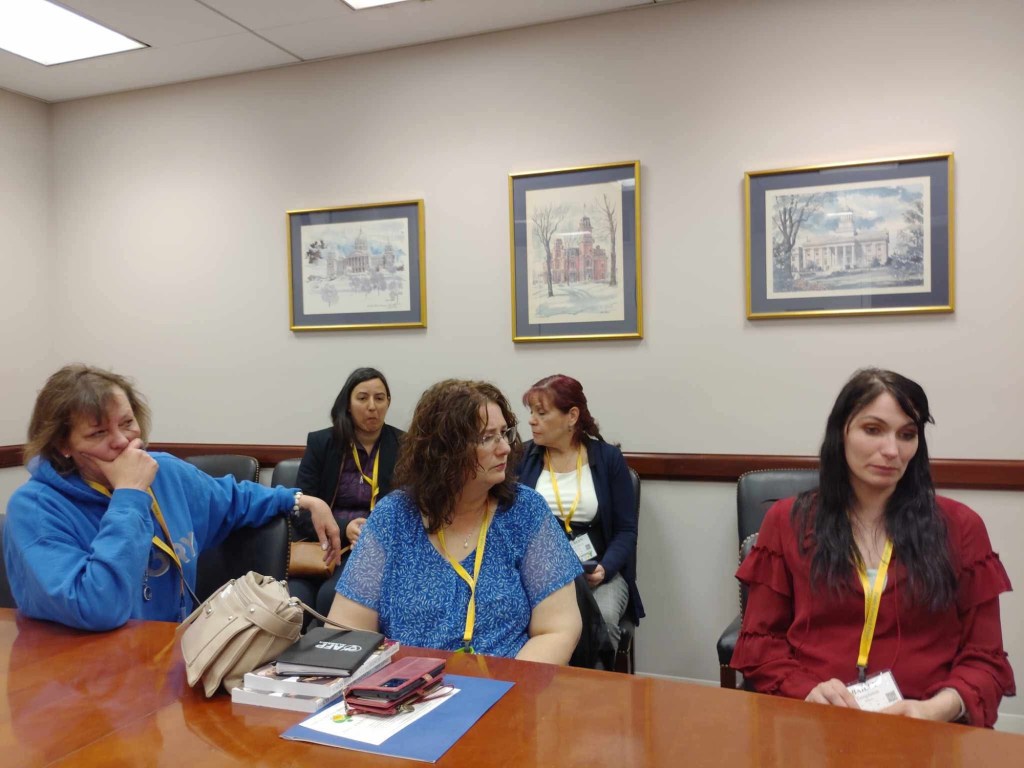
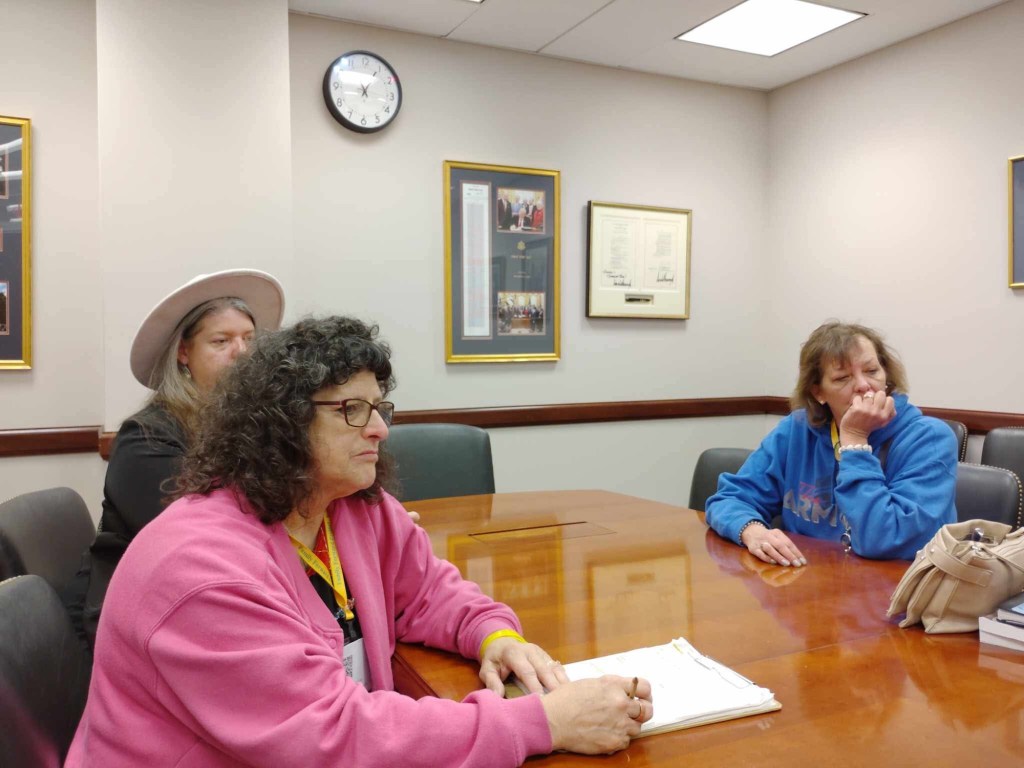
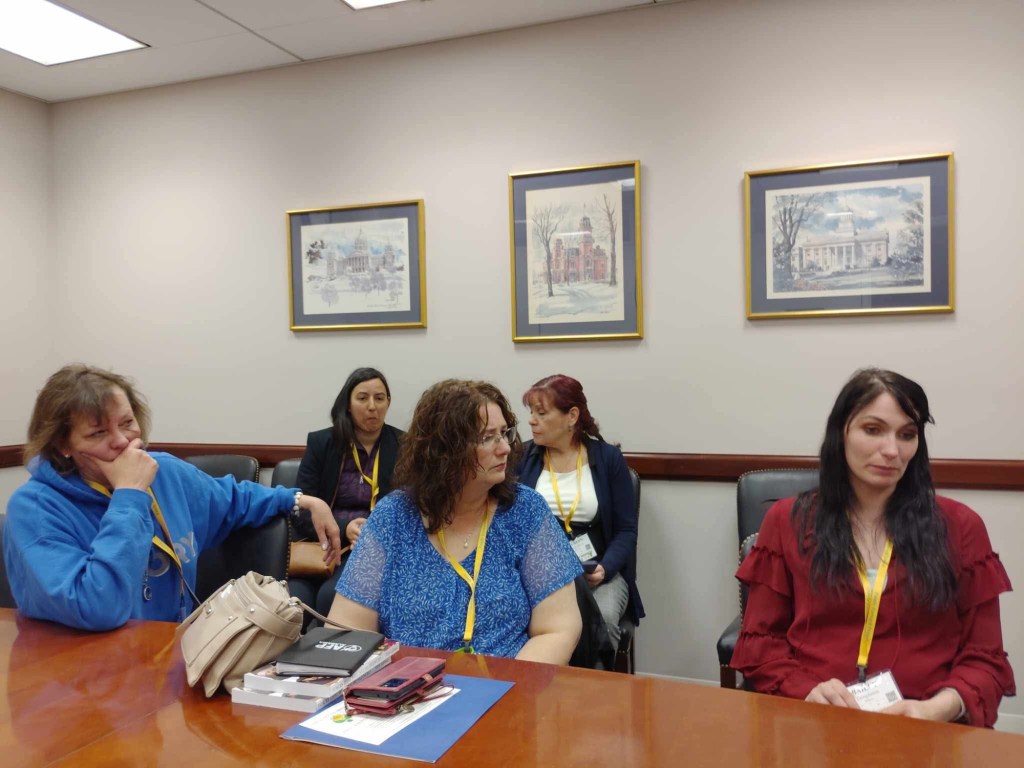
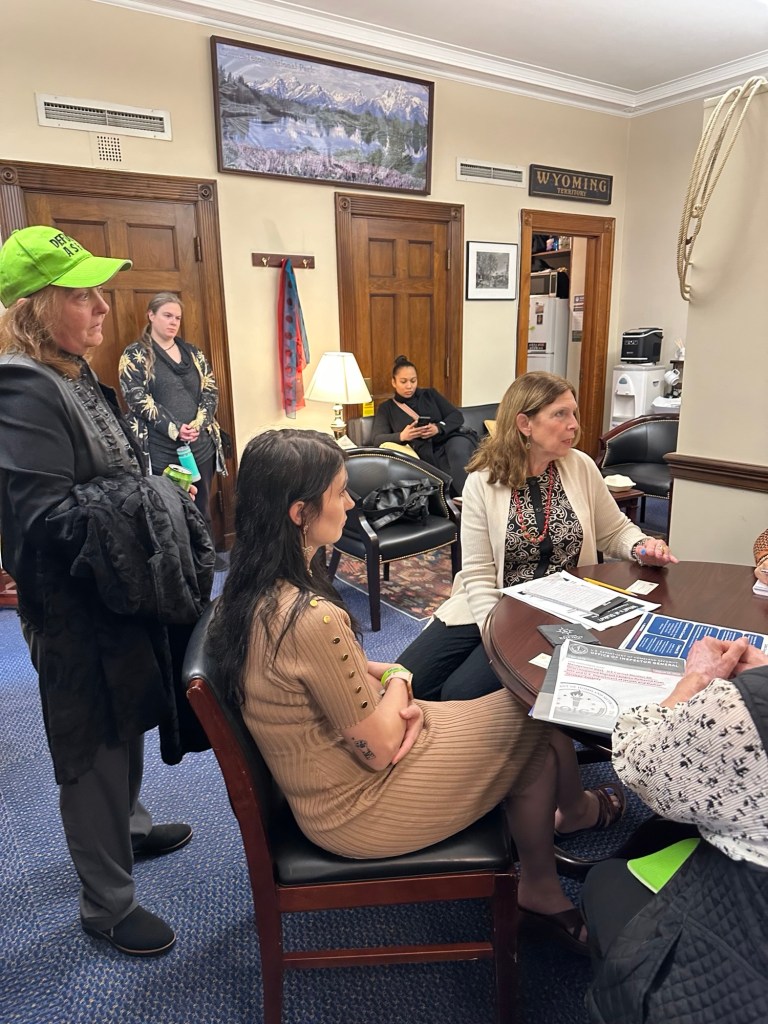
It has been a busy and energetic day. We had eight meetings with both Republicans and Democrats.
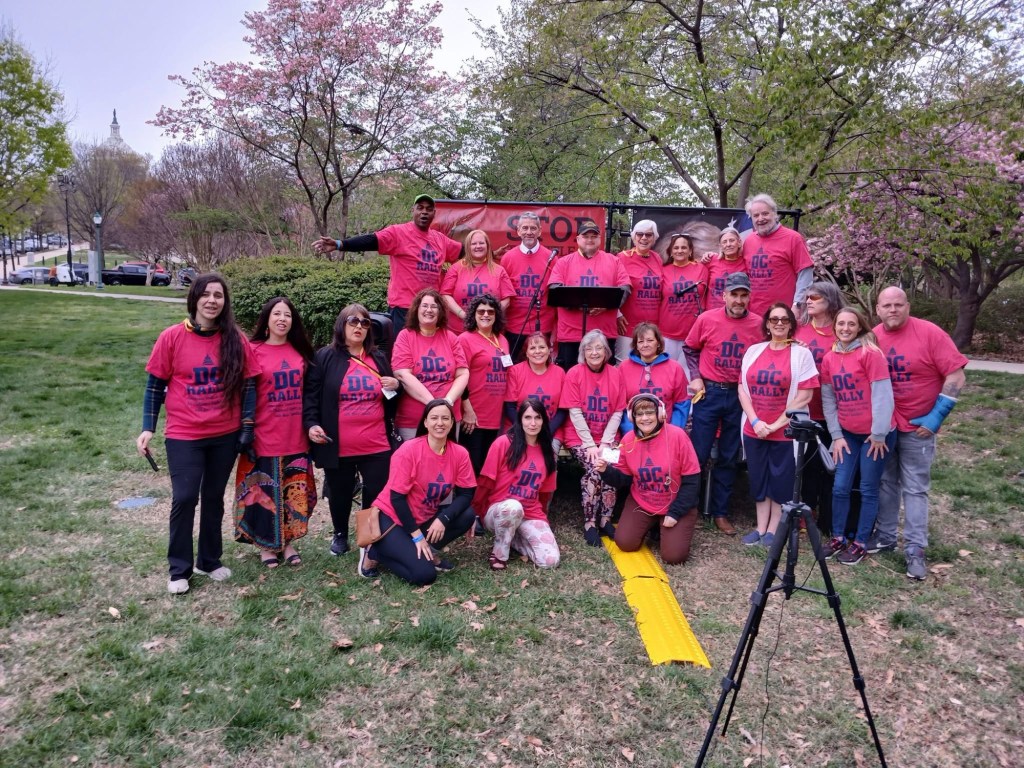
We have families from Family Forward Project from Alabama Illinois Tennessee Alabama Connecticut Florida Washington Texas and Pennsylvania.
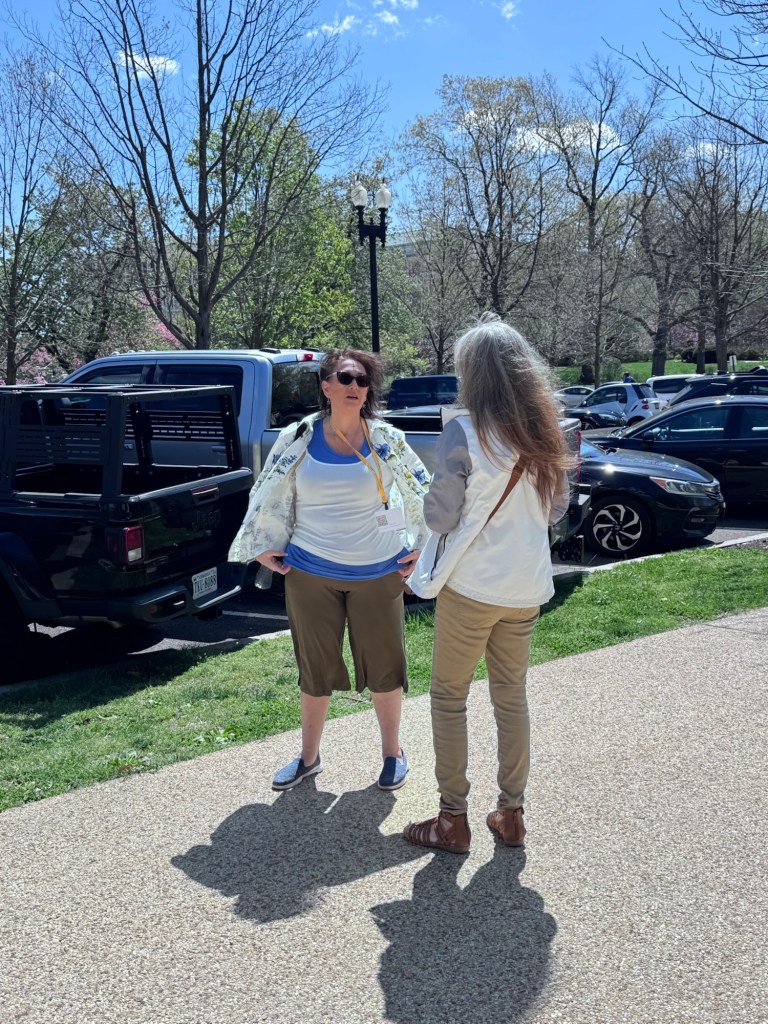
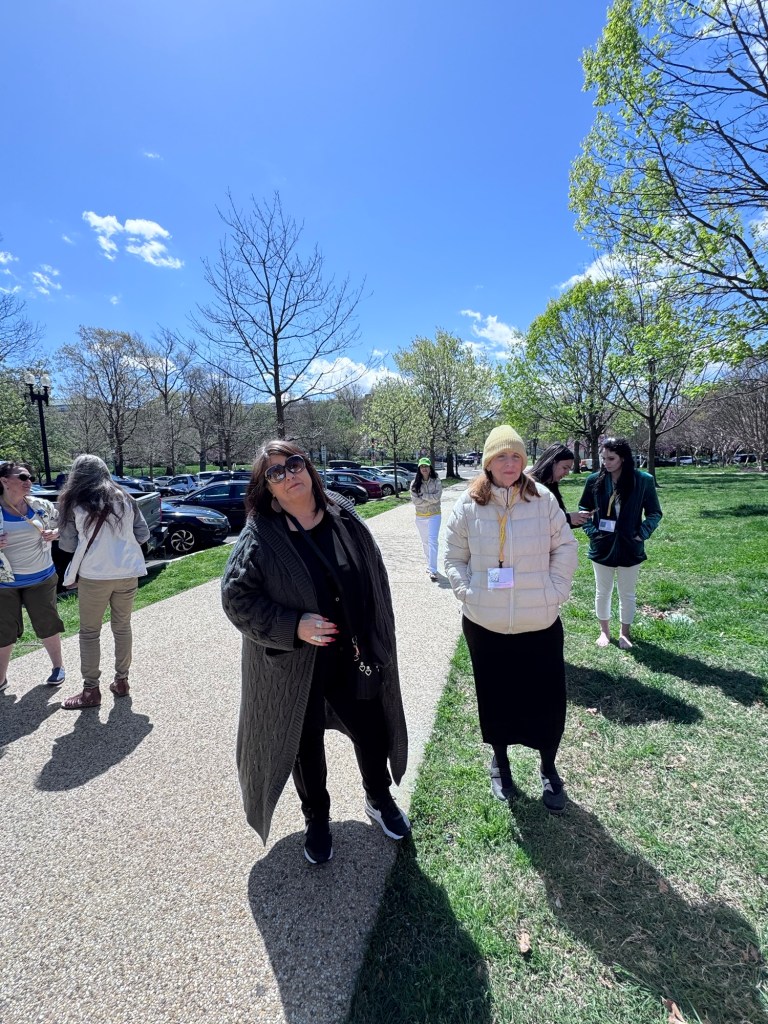
And we need you too. Here are a few of today’s pictures.
We will end the day with dinner and getting by ready for another day.
Tuesday April 9. 2025
We started at Tennessee Tuesday with Sen Marsha Blackburn and Bill Hagerty with a huge crowd.
And rallied later in the day.
Evening was fun as well
Wednesday and Thursday April 9 and 10
Time has moved so fast that I forgot to upload the adventure in Wednesday night.
Here are a few examples f the highlights over the last two days
Congressman Mark Messmer – Indiana
Friday April 11 2025
Winding down with a few weeping and casual time at the Anatole Hotel.
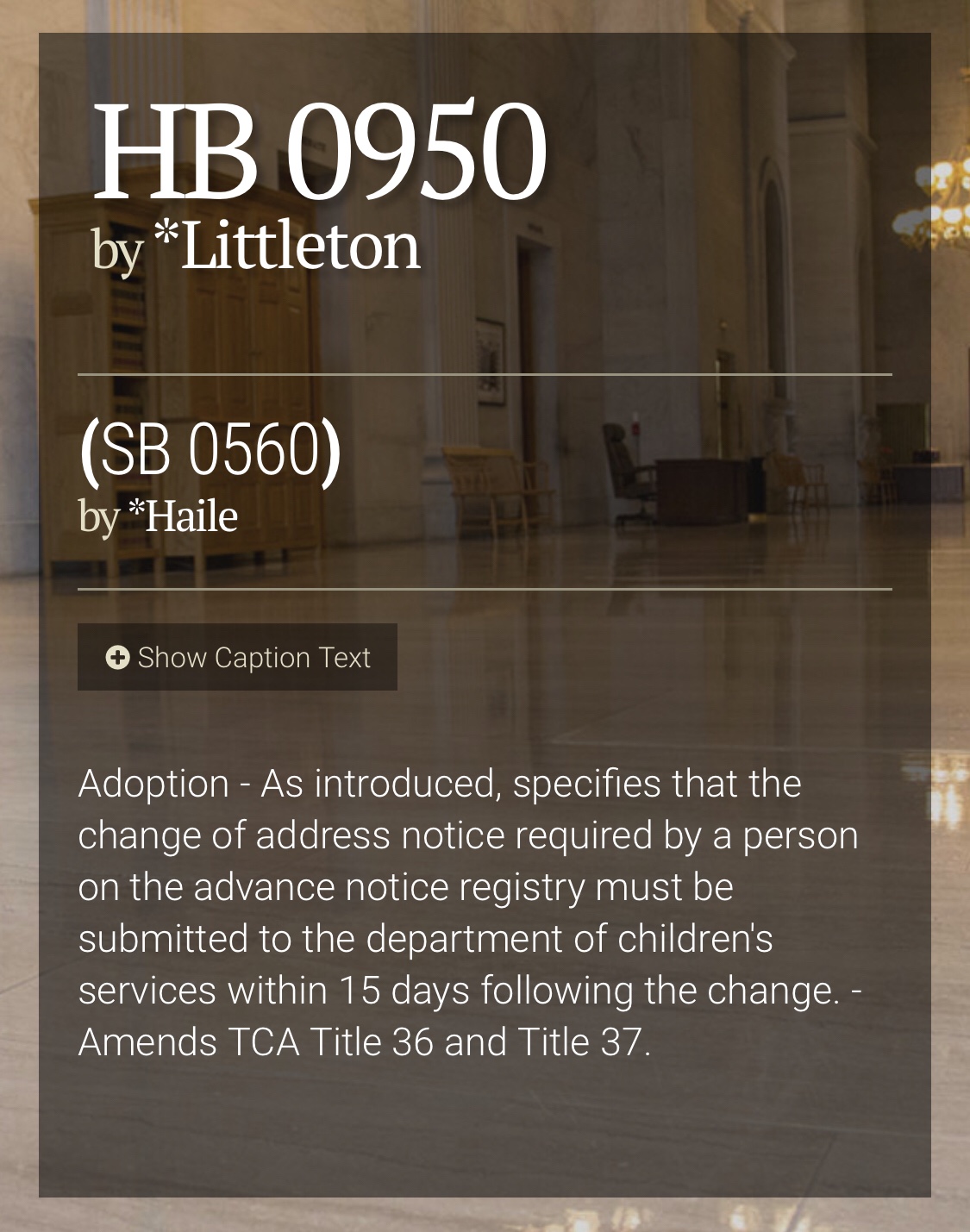
Last year, the Tenn. Gen. Assembly passed the “Parental Rights Bill”.
Connie Reguli, J.D. lobbied against this bill. She argued that parents already had protected parental rights under the 14th Amendment. These rights were confirmed by the United States Supreme Court. Reguli further warned, ‘if you let the state legislators put parental rights in the state code, they can revise them at any time. They can slice away at your rights.’
…AND THEY HAVE. This year Faison (HB 0826) and Haile (SB 0895) filed a new bill changing the parental rights law of 2024.
This bill was filed as a ‘caption bill’ initially. This means the bill was filed with one simple sentence. It asked the courts to report on how many parental rights bills were filed. Then the bill was secretly ‘amended’ to slice away parental rights. The bill added:
1 – A parent can remove a child for religious purposes. If it’s more than 20 days in a school year, the school can force the parent to meet “to discuss the child’s educational future”.
2 – The school no longer needs parental consent to audio record a child. It also doesn’t require consent to video record a child at school or during activities.
3 – A healthcare provider does not need parental consent to examine a child. This is applicable under ‘reasonable suspicion’ of neglect or abuse.
You might not be moved by these new limitations to parental rights. Still, it is just a matter of time. The amendments to this bill will continue to limit the rights of parents. For instance ‘reasonable suspicion’ is not the legal standard under our Fourth Amendment protections, it is exigent circumstances. That means an immediate emergency.
This bill has passed committees and is headed to the floor on April 7th.
When Connie Reguli turned herself in to the Williamson County Sheriff’s Department in August 2022 on a felony indictment for aggravated perjury, she was already litigation weary. She had already been put through a three day jury trial for accessory to a felony, a sentencing hearing, and a motion for a new trial. The convictions for accessory to a felony were the result of Judge Joseph A. Woodruff manipulating the jury instructions, removing an essential element of the crime, and causing a fake conviction. Although Reguli (and most likely Judge Woodruff) knew that the fake felonies would not stand scrutiny on review, she instantly lost her law license, her entire business model law practice, three employees, dozens of clients, and a juvenile Court judicial election. Nevertheless, she was never required to serve a sentence of incarceration or probation.
Just days after the motion for a new trial in August 2022, Reguli was called by her attorney and told that Williamson County DA Kim Helper had a new indictment on her for aggravated perjury.
The new felony echoed from the chambers of Judge Joseph A. Woodruff as well. While Reguli was in the midst of the first round of fake felonies, Woodruff was shutting Reguli down from obtaining her public records request in another courtroom. After this hearing concluded, Woodruff fined Reguli $5,000 and shut down her request for records. Woodruff would then order that Reguli was prohibited from filing anything pro se without hiring another attorney, and threatened Reguli not to file an appeal. Reguli appealed.
Judge Joseph A. Woodruff, Franklin, TN
What Reguli did not know is that Woodruff initiated his own little private investigation just days after that hearing, sending a private letter to CASA director Emily Layton and Attorney Dana McLendon stating that he was attempting to determine if Reguli made a false statement in the courtroom and asked Layton to respond if Reguli had paid an eight-year-old sanction. Reguli knew none of this, Judge Woodruff’s secret investigation would result in the indictment for aggravated perjury in August 2022.
Reguli represented herself in that case. Although the battleground for justice includes alot more detail and demonstrates a very focused Reguli, the result was that the district attorney dropped the case ten months later.
The case against Reguli had been brought on a false affidavit and withholding exculpatory evidence by CASA director Layton and Attorney McLendon.
EMILY LAYTON – CASA DIRECTOR
Reguli filed a lawsuit against all of the bad actors: Judge Joseph A. Woodruff, DA Kim Helper, DA John Stevens, Atty Dana McLendon, Emily Layton, and CASA. She alleged civil rights violations for malicious prosecution and fabricated evidence and stated claims for abuse of process, intentional infliction of emotional distress, and civil conspiracy.
McLendon’s social media post.
In the typical course of events in federal litigation, all defendants filed motions to dismiss the case. On March 28, 2025, Middle District Judge Traugher entered an order. This order gave Judge Woodruff, DA Helper, and DA Stephens immunity on civil rights claims. The district court permitted the civil rights claims to continue on McLendon and Layton. Afterall, they conspired with state actor Woodruff to conjure up the fake crimes.
In 2024, Reguli’s first round of fake felonies were reversed, and Woodruff’s $5,000 fine against Reguli was also vacated.
This chart shows the claims that will move ahead in the United States District Court.
As a family law attorney defending parents against over aggressive state agencies for three decades, I have always worked with parents on how to defend themselves in court. These days, parents contact me from all over the country and say that their court-appointed attorneys are not preparing them for court and are not even allowing them to speak in the courtroom. Parents, sadly, do not have all of the constitutional protections that are provided to criminals, like Miranda rights and the right to confront their accuser, however, the ability to speak and be heard in dependency cases is precious and paramount to winning for parents.
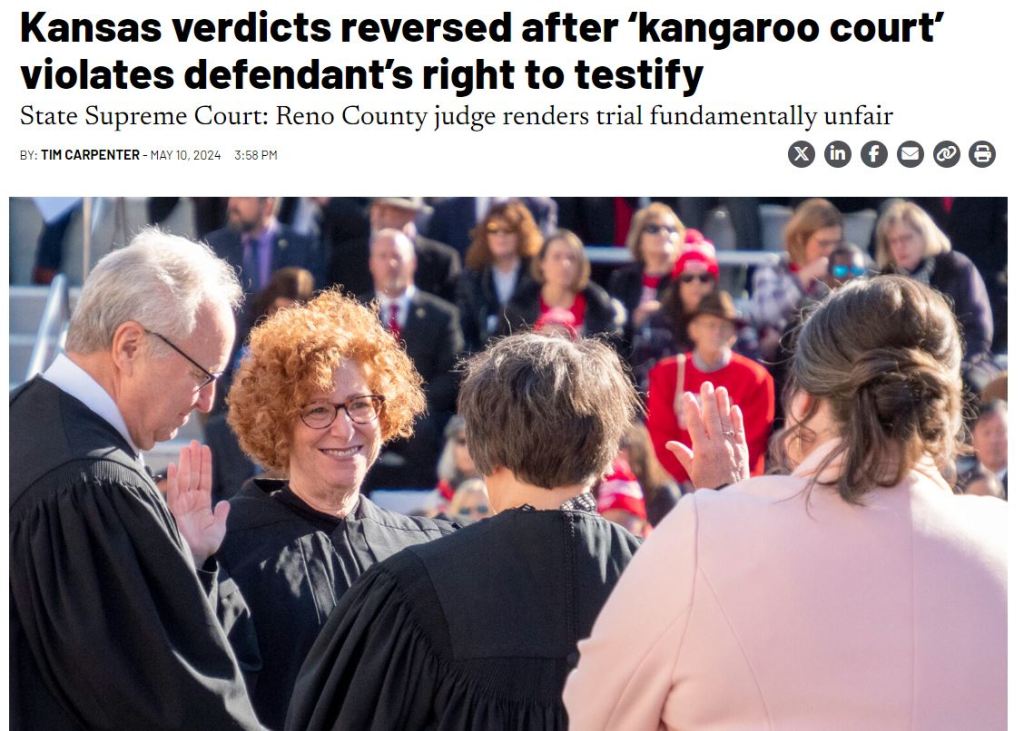
On May 10, 2024, the Kansas Supreme Court released an opinion in the criminal case of State of Kansas v. John R. Cantu which found that the trial court judge had denied the constitutional rights of criminal defendant Cantu by removing him from the witness stand and striking his testimony. Cantu’s convictions were reversed.
This case is worth the read, and begins like this:
Facts and Procedural History
John R. Cantu was charged in Reno County District Court with two counts of felony stalking, two counts of violation of protection from stalking orders, criminal damage to property, criminal trespass, and felony criminal threat. State v. Cantu, 63 Kan. App. 2d 276, 276, 528 P.3d 265 (2023). He was tried before a jury, and he testified on his own behalf as the sole defense witness. On direct examination, Cantu denied all of the allegations against him and gave an uncorroborated alibi for his whereabouts on the night in question. The substance of Cantu’s direct testimony and his demeanor on the stand appear to have been overall appropriate. He responded to all of his counsel’s questions directly with one interruption and one irrelevant comment. There was no admonishment from the judge or objection from the State during his direct examination. Yet a very different situation unfolded on cross-examination.
The State’s cross-examination of Cantu was cut short when the judge removed him from the stand on grounds that he was being uncooperative. Early in the State’s questioning of Cantu, he interrupted the prosecutor by attempting to explain a previous answer, after which he ignored multiple admonishments from the judge to wait for a question. During a back-and-forth exchange with the judge, Cantu repeatedly asked if he was limited to answering only “yes” or “no,” but the judge ignored his question. Instead, after several warnings, the judge removed Cantu from the stand and, at the prosecutor’s request, struck his entire testimony from the record.
The following transcript excerpt depicts the relevant exchange: “[STATE]: You would agree that there was a protection from stalking that was filed against you, correct? “[DEFENDANT]: No. “[STATE]: You also agree? “[DEFENDANT]: For the record, for the record— “COURT: You need to wait for a question. “[DEFENDANT]: I didn’t finish. “COURT: You need to wait for a question. “[DEFENDANT]: I didn’t finish answering the first one. “COURT: I said it two times now. You need to wait for a question. “[DEFENDANT]: She asked if I agreed. “COURT: Sit back and wait for a question. “[DEFENDANT]: May I be allowed to explain? Do I have to say yes or no? “[STATE]: Mr. Cantu? “COURT: Mr. Cantu, if you don’t cooperate I’m going to ask you to go back to the table. “[DEFENDANT]: May I ask a question? “COURT: You need to listen to the questions. “[DEFENDANT]: Am I supposed to respond yes or no? “COURT: Go sit at the table right now. Absolutely right now. “[DEFENDANT]: I don’t understand. Can I object to this? “COURT: Sit at your table. “[DEFENDANT]: I mean, she asked me a question. “COURT: Officers, would you remove Mr. Cantu from the courtroom? “[DEFENDANT]: Is this going to be on the record? Dawn Hicks—my water. You— “DEPUTY: Grab your water. “[COUNSEL]: Is that sufficient, Your Honor? “COURT: If Mr. Cantu will remain compliant it is. Otherwise I will require his removal. He’s indicating by his posture and returning to his seat that he will remain compliant. Do you have any other evidence.”
The transcript record shows the judge warned Cantu four times to wait for or listen to the prosecutor’s question before ordering him removed. The record also shows the judge repeatedly ignored Cantu’s questions about how he was allowed to respond to the prosecutor’s questions. Upon the prosecutor’s motion and in front of the jury, the judge ordered Cantu’s entire testimony stricken from the record, justifying this decision on grounds that “Mr. Cantu would not cooperate when I told him to only answer questions on cross-exam. I believe the State’s request is valid. His testimony is stricken.” The court made no further record of Cantu’s conduct while he was on the stand, such as his body language, demeanor, or tone of voice.
Aside from granting the State’s motion to strike Cantu’s testimony in the presence of the jury, the judge did not specifically explain how the jury should treat Cantu’s stricken testimony. But at the close of evidence and before jury deliberations, the court issued written instructions to the jury which explicitly advised: “In your fact finding you should consider and weigh everything admitted into evidence. This includes testimony of witnesses, admissions or stipulations of the parties, and any admitted exhibits. You must disregard any testimony or exhibit which I did not admit into evidence.”
State of Kansas v. John R. Cantu, Supreme Court of Kansas, May 10, 2024
Cantu was convicted by the jury and sentenced to 24 months in prison. Thankfully, Cantu and a brave attorney filed on appeal raising the issue that “the court’s decision to strike his entire testimony from the record deprived him of his constitutional right to testify, which was structural error requiring automatic reversal.”
The Cantu opinion explains the right to testify and provides a history of precedential opinions:
The right to testify on one’s own behalf at a criminal trial is a fundamental right grounded in multiple provisions of the United States Constitution. Rock v. Arkansas, 483 U.S. 44, 49-55, 107 S. Ct. 2704, 97 L. Ed. 2d 37 (1987); Ferguson v. Georgia, 365 U.S. 570, 582, 81 S. Ct. 756, 5 L. Ed. 2d 783 (1961). In Rock v. Arkansas, the United States Supreme Court found this right is guaranteed by the Due Process Clause of the Fourteenth Amendment and the Compulsory Process Clause of the Sixth Amendment, and necessarily implied by the Fifth Amendment privilege against self-incrimination. 483 U.S. at 51-53. These constitutional provisions apply to state proceedings through the Fourteenth Amendment. See Washington v. Texas, 388 U.S. 14, 17-19, 87 S. Ct. 1920, 18 L. Ed. 2d 1019 (1967) (incorporating the Sixth Amendment Compulsory Process Clause); Malloy v. Hogan, 378 U.S. 1, 6, 84 S. Ct. 1489, 12 L. Ed. 2d 653 (1964) (incorporating the Fifth Amendment’s protection against compelled self-incrimination).
At its most basic level, the right to testify allows a defendant to respond directly to the State’s charges by “present[ing] his own version of events in his own words.” Rock, 483 U.S. at 52. Thus, the Court has identified the right to testify as one in a bundle of minimum due process rights guaranteed by the Fourteenth Amendment that are essential to a fair trial. Rock, 483 U.S. at 51 (listing a criminal defendant’s basic due process rights at trial as including, at a minimum, the right to confront witnesses, to offer testimony, and to be represented by counsel) (quoting In re Oliver, 333 U.S. 257, 273, 68 S. Ct. 499, 92 L. Ed. 682 [1948]).
The Court has also found the right to testify derives from the Sixth Amendment’s Compulsory Process Clause, which grants a defendant the right to call favorable, material witnesses. Rock, 483 U.S. at 52 (noting “the most important witness for the defense in many criminal cases is the defendant himself”). In this way, the Court recognized the right to testify is part of the broader personal right to present a defense, designating it as even more fundamental than the right of self-representation. 483 U.S. at 52 (citing Faretta v. California, 422 U.S. 806, 819, 95 S. Ct. 2525, 45 L. Ed. 2d 562 [1975]).
Finally, the Court has interpreted the Fifth Amendment’s privilege against self-incrimination as implying an affirmative right to testify. Rock, 483 U.S. at 52-53 (“’Every criminal defendant is privileged to testify in his own defense, or to refuse to do so.’”) (quoting Harris v. New York, 401 U.S. 222, 230, 91 S. Ct. 643, 28 L. Ed. 2d 1 [1971]).
FOR CANTU, THIS WAS NOT A HARMLESS ERROR.
The appellate court held that denying the right to testify was a constitutional error, but it was harmless. The Kansas Supreme Court said that “structural errors” occur where the error at issue compromised the fundamental fairness of the trial mechanism, both from the perspective of the court’s function and the defendant’s right to due process. In this case, the judge’s decision to remove Cantu from the witness stand and strike his entire testimony was a structural and reversible error.
The Court largely relied on the analysis provided by the United States Supreme Court in Illinois v. Allen, 397 U.S. 337, 343 (1970) which permitted the removal of the defendant from the courtroom for disruptive behavior, but cautioned that even “once lost, the right to be present can, of course, be reclaimed as soon as the defendant is willing to conduct himself consistently with the decorum and respect inherent in the concept of courts and judicial proceedings.” The Cantu opinion concluded that courts are to ‘indulge every reasonable presumption against the loss of a defendant’s constitutional rights.” Citing Allen.
WHY IT MATTERS
This case provides a detailed analysis of the constitutional right to testify in order to defend oneself, however, there is an element of the jury trial process that is ignored in this opinion. That is the effect on the jury of the judge’s arrogant and corporal treatment of the defendant in the courtroom. The jury enters into the criminal justice process believing that it will be fair and honest and that the judge is the person in the room with the greatest intelligence, the most deference to the constitutional rights of the defendant, and the most empowered by the people. In many ways this is incorrect and often the judges are NOT the most intelligent in the room, however that is not the point today. When the jury experiences a judge criticizing a witness or defendant in the courtroom, it makes a distinct negative psychological impact on their impression of the person testifying. Judges know this. You can see it in your observations of them. I have seen it myself.
Cantu is important and the ruling here should race across the country to apply to criminal and dependency cases. After all, dependency cases are quasi-criminal and each parent is facing allegations that are also defined in the criminal code. The results are similar. While a criminal court can take away your freedom, a dependency court can separate you from your children forever, remove their lineage, and take away their birth name. Both are devastating.
Connie Reguli, J.D. worked with families for three decades in Tennessee until falsely charged with a fake crime invented by a corrupt judge and district attorney. Those charges were reversed and a civil rights lawsuit has been filed. Reguli et al, v. Hetzel, et al, Case No. 3:24-cv-00541. Follow on Facebook, YouTube, TikTok, LinkedIn, and Instagram for more. Facebook. Connie Reguli and Family Forward Project.
By Connie Reguli – Cancelled by the Establishment – Invested in Your Well-being. May 27, 2022.
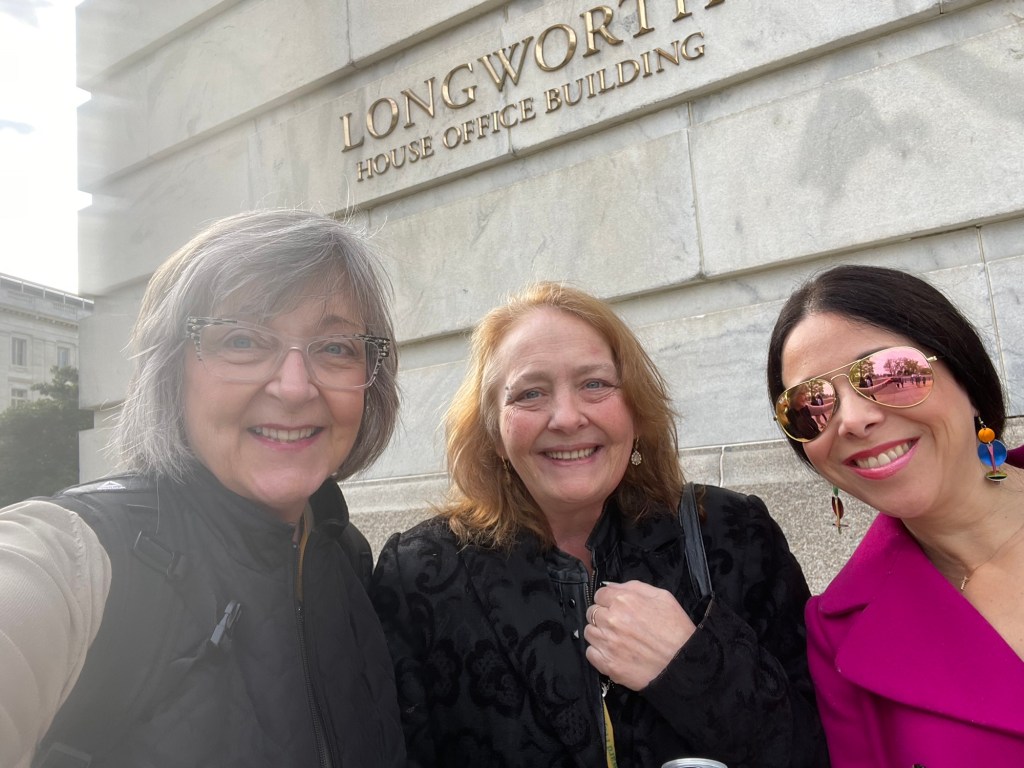
Connie Reguli (right) woth amazing advocate Lauren from Maine. In Washington DC
I would say I operated different than most attorneys in family law … I cared what happened, I was concerned about children in Courtrooms, I advised my clients on the risk of being too emotional and on being unemotional, and at the end of the day I wanted what was ‘best for the children’. However, it is an oxymoron to speak about the best interests of the child in the adversarial family court realm.
I hear so many people say…my lawyer would not defend me…my lawyer would not put on my evidence…my lawyer did not care…my lawyer did nothing. I am not here to defend lackluster representation, but I am here to say blaming lawyer is not the solution. A recent United States Supreme Court decision, Shinn v Ramirez, the Supreme Court said yes it is the luck of the draw that you had not just one but two crappy attorneys, you cannot do a habeus corpus petition on ineffective assistance of counsel. Done ✅.
However, that is not the end of the story. Attorneys also have to work with the lump of clay called your life that you give them. In the context of family and parent-child relationships depending on the “right” attorney to make it right is an ad hominem argument.
From a lawyers view…people come to us with a mess that evolved out of the imperfections in our clients lives. They end up in the imperfect court system. Which is adversarial by design. It’s a war zone. The biggest weapons, and sometimes the best told lie wins. Lawyers only have so many tools and none of them are meant to resolve anything. Only possible result is win or lose. We can’t undo the clients history so it’s the best spin. And then of course it’s about money. Lawyers have so many expenses and so much risk that the costs are driven up. Part of the court game it wearing out the other side, emotionally or financially. They are paid to “do a job” they are paid to engage in a battlefield.
And clients are ill prepared. They don’t understand the system and judge have no patience for stumbling memories. Cross examination is intended to trip you up so a judge can call you a liar – they will use the judicial vernacular “lacks credibility” but all the same – they call you a liar. And in the world of court – the judge has the final say as to whether or not you are a liar.
I have to get you to turn your heads directly into this perverted and demonic snare.
The best I can I will help you resolve, negotiate, and move past the chaos or unfold the mysteries of litigation. If you rely on a fair and impartial judge who will render a decision on the best interest of your child you are waking blindly in a minefield.
I also intend to train an army of advocates to help.
You can contact me to consult on these issues. God bless.
I am moved this Sunday morning to share with you segments of Pastor Johnson’s sermon on the tactics of the devil and the awesome power of Nehemiah.
Read Nehemiah 4 and you will learn of a powerful leader blessed and chosen to strengthen his people in desperate times.
First, you must understand fear. Fear interferes with the building of God’s kingdom. The Bible repeatedly says “fear not” and “fear the Lord” and “fear God”. For if you fail to follow your calling you will NOT receive the blessing. You will live in a state of confusion. Then the warriors in Christ must be gathered wherever they are to take up their shields and do whatever they can do to work on the wall which will shield and protect not just one person but a nation.
Second, you must keep your mind on Christ and know your identity and profess it. To feel the weight of the world of deception and do nothing is a waste of space. You have been promised by the blood of Christ that if two or three of you agree and bring it before God it shall be granted.
Third you must always standard prepared to face the enemy and pray that our leaders are guided by the Holy Spirit to bring redemptive solutions. Much evil is soon to be exposed and it will either drain your spirit or empower you to pick up your shield 🛡 and sword ⚔️ to restore this land. This Nation was created out of an idea 💡 of liberty and freedom. We can only keep our liberty if we are diligent.
Our money says In God We Trust. Our pledge says “one nation under God”. Our first president implored us to seek the will of God and then do it mightily.
In Nehemiah the enemy was disheartened when they realized that building the wall could only have been done with the strength of God Almighty. Now is the time for Nehemiah-leadership in this nation.
On July 21, 2020 the Second Circuit court ruled on a case out of New York which attempted to shut down a faith based adoption agency (New Hope Family Services) because they refused to consider same-sex couples. This is a win for faith based adoption agencies.
Last year in Pennsylvania, the state agency refused to send referrals for adoption to Catholic Charities because CC refused to consider same-sex couples. The United States Supreme Court has agreed to hear this appeal out of Third Circuit and will likely do so this fall.
NEW YORK & SECOND CIRCUIT
In Second Circuit several civil rights organizations opposed the New Hope adoption agency by filing amici briefs such as the Americans United for Separation of Church and State.
.
Amicus Brief Cover
On reviews of the arguments, this organization claims that the regulation is First Amendment neutral and does not affect the autonomy of the church. However it claims that to allow the church relief is detrimental to the health and welfare of the LBGTQ population.
Issues summary Amicus Brief. T t
This issue is headed to the United States Supreme Court because of a Third Circuit decision out of a court in Pennsylvania.
PENNSYLVANIA AND THIRD CIRCUIT
BPNEWS reported – The U.S. Supreme Court is expected to weigh in on the intersection of religious liberty and same-sex marriage in foster care and adoption during its next term, which begins in October. The justices agreed in February to review a Third Circuit Court of Appeals ruling that the city of Philadelphia did not violate religious freedom by halting referrals to Catholic Social Services because the agency does not place children in the homes of same-sex couples.
In layman’s terms, Catholic Charities lost. The state was allowed to refuse placements and referrals to CC due to their exclusion policy.
Over 200 (I stopped counting) persons and organizations of interest filed briefs and participated in the appeal. Several states including Texas, Illinois, Delaware, California, Oregon, Vermont, New Jersey, New York, Massachusetts Washington, and Rhode Island, also participated.
FEDERAL SOLUTION?
The Ethics & Religious Liberty Commission (ERLC) proposed a federal solution to the problem for faith-based agencies which is a priority in its legislative agenda. It has worked for adoption of the Child Welfare Provider Inclusion Act, which would bar government discrimination against adoption agencies and other child welfare entities that refuse to take part in serving in a way that contradicts their beliefs.
TENNESSEE LEGISLATES RELIGIOUS FREEDOM.
In NASHVILLE (BP) — Tennessee state senators approved legislation Jan. 14 that would prohibit the state from forcing Christian or other faith-based adoption agencies to place children in homes that would “violate the agency’s written religious or moral convictions or policies.”Senate Bill 1304 passed the Senate by a margin of 20-6. Sen. Steve Dickerson of Nashville was the only Republican voting against the bill, joining the chamber’s five Democrats, according to an article in The Tennessean.
The bill will now go to Gov. Bill Lee for his signature, having passed the house last year by a 67-32 margin.
The bill was opposed by gay rights activist groups and those who felt the bill would have a negative impact on the state’s economy.
Dickerson, in speaking against the legislation, said passage of the bill could cause the state to suffer an adverse financial impact because of “bad public policy,” The Tennessean reported.
According to The Tennessean, eight states across the country have passed similar legislation. The paper also reported it had contacted the governor’s office and received confirmation the governor “would be signing the bill as soon as it reaches his desk.”
WHERE WILL THIS GO?
This ruling by the United States Supreme Court will be precedental. In 2015 the Supreme Court ruled on Oberfell v Hodges which found that the states could not prohibit same-sex marriage. It found that the right to marry was a fundamental liberty and the states could not prohibit marriage based on the gender of the couple.
The adoption issue raises another fundamental liberty issue and it is likely that that the LBGTQ community will claim that the right to parent is a fundamental liberty. However there is no fundamental liberty to adopt.
What is disturbing to me is that the rights of children are not represented here. We already have children removed from heterosexual families and placed in LBGTQ homes for foster to adopt. Do the children have a fundamental liberty to not be placed in this unit? What is the next extension? Will the state welfare agencies accept transgenders as fosters?
We are on a slippery slope. Our national laws regarding relations, family, and marriage are complicated and distorted. A century ago sexual deviation was criminal. It was even illegal to live with or marry your paramour if you cheated during your marriage with that person. Now it is common. As a divorce attorney I saw it all the time.
We have much to do as a nation in this area. Pray for wisdom and pray for our country.
No reports necessary. The information will be in the package insert for the drug test. Most say something similar to what the Redwood Toxicology Lab RediCup instert says:
•The RediCup® is used for Screening Only. Positive results obtained with this device are presumptive.
•Additional testing is necessary to confirm the presumptive positive results. Positive results should be “confirmed” by an alternate method such as GC/MS (GasChromatography/Mass Spectrometry) or LC/MS/MS (Liquid Chromatography/Tandem Mass Spectrometry).
•Professional judgment should be applied to any drug of abuse test result, particularly with preliminary positive results.
Positive point of care urine drug screens are only a presumptive positive and must be confirmed by lab testing. If a party wants to enter the results of a point of care drug screen into evidence, enter the package insert, as well.
In this case a minor child sued for wrongful removal and violation of substantive due Process rights.
One of the most difficult aspects of a civil rights case is overcoming immunity. In this case the social workers and law enforcement officers claimed qualified immunity for violating the child’s (fourth amendment rights) and substantive due process rights of familial integrity when the child was removed from school for a forensic interview and told by the law enforcement officer that they were going to find him a better home.
In this appeal the tenth circuit court said that the case could proceed on violations of fourth amendment violations. However the court dismissed the claims for substantive due process rights stating that it was not “clearly established” that the child had the right of family integrity in this situation, that is, the fact that the officials impugned his father and damaged his relationship with him was not enough.
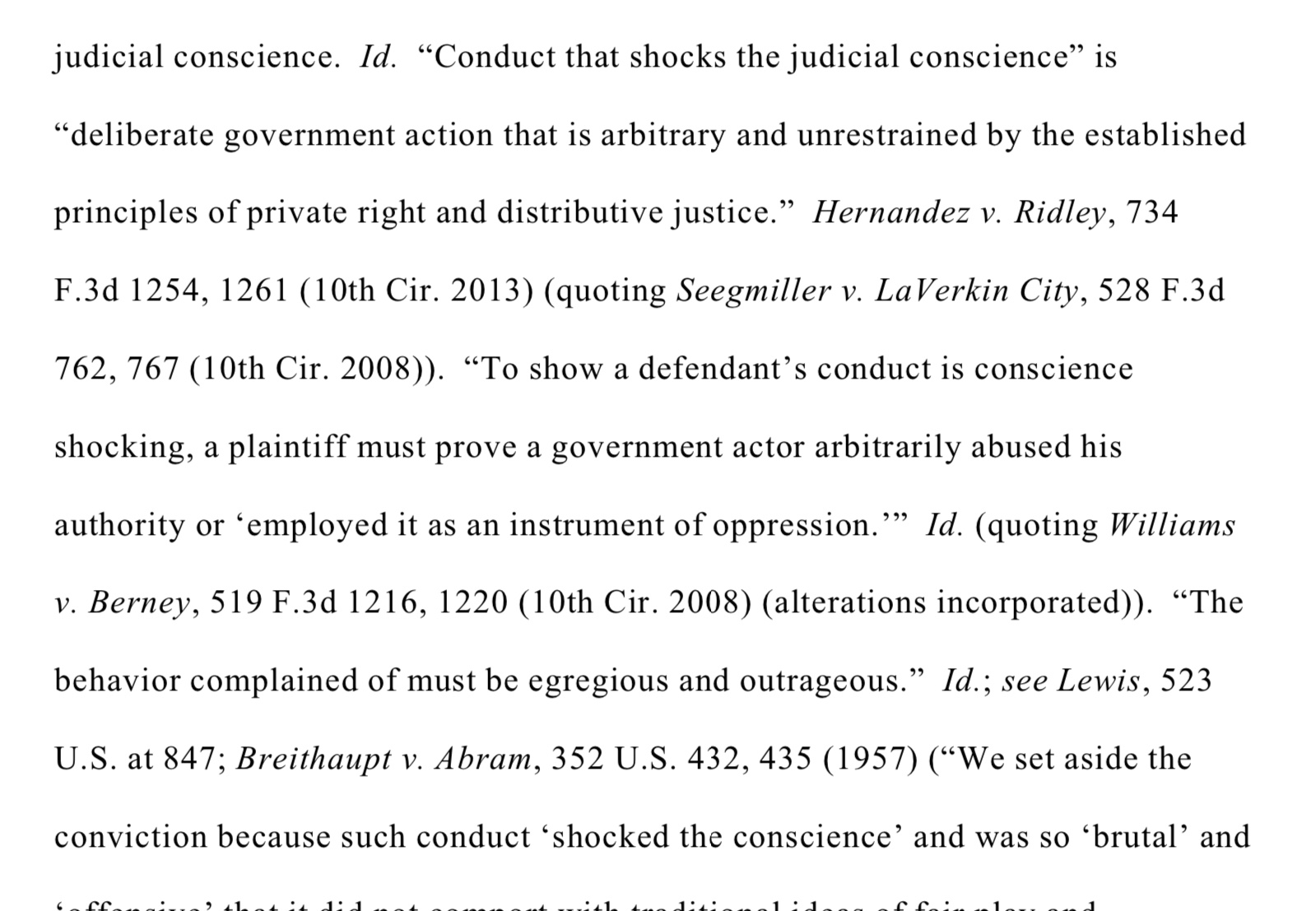
Note – analysis of substantive due process – the courts consideration of (1) a fundamental liberty interest vs (2) shock the conscious conduct by state actors.
Good analysis of the reasonableness standard in a claim for fourth amendment violations.
Note. The child was not removed from his home and the Interview revealed no disclosures of abuse.
Here are some excerpts:
The court compares fundamental right to the shocks the conscience standard. –
What is conscious shocking conduct?
Court says that they have implicitly used that standard before.
What you must show for violations of the substantive due process violations of family integrity.
































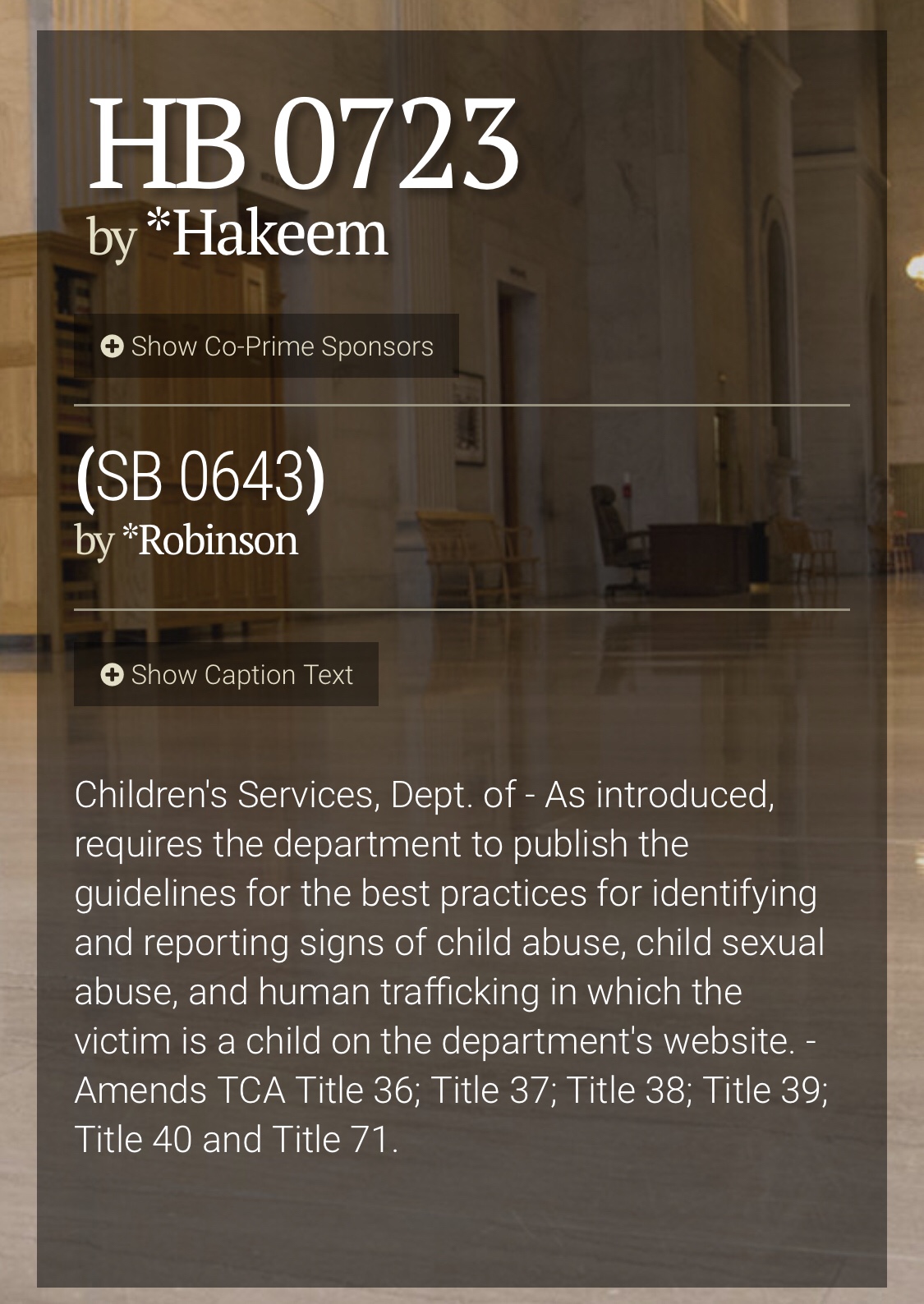
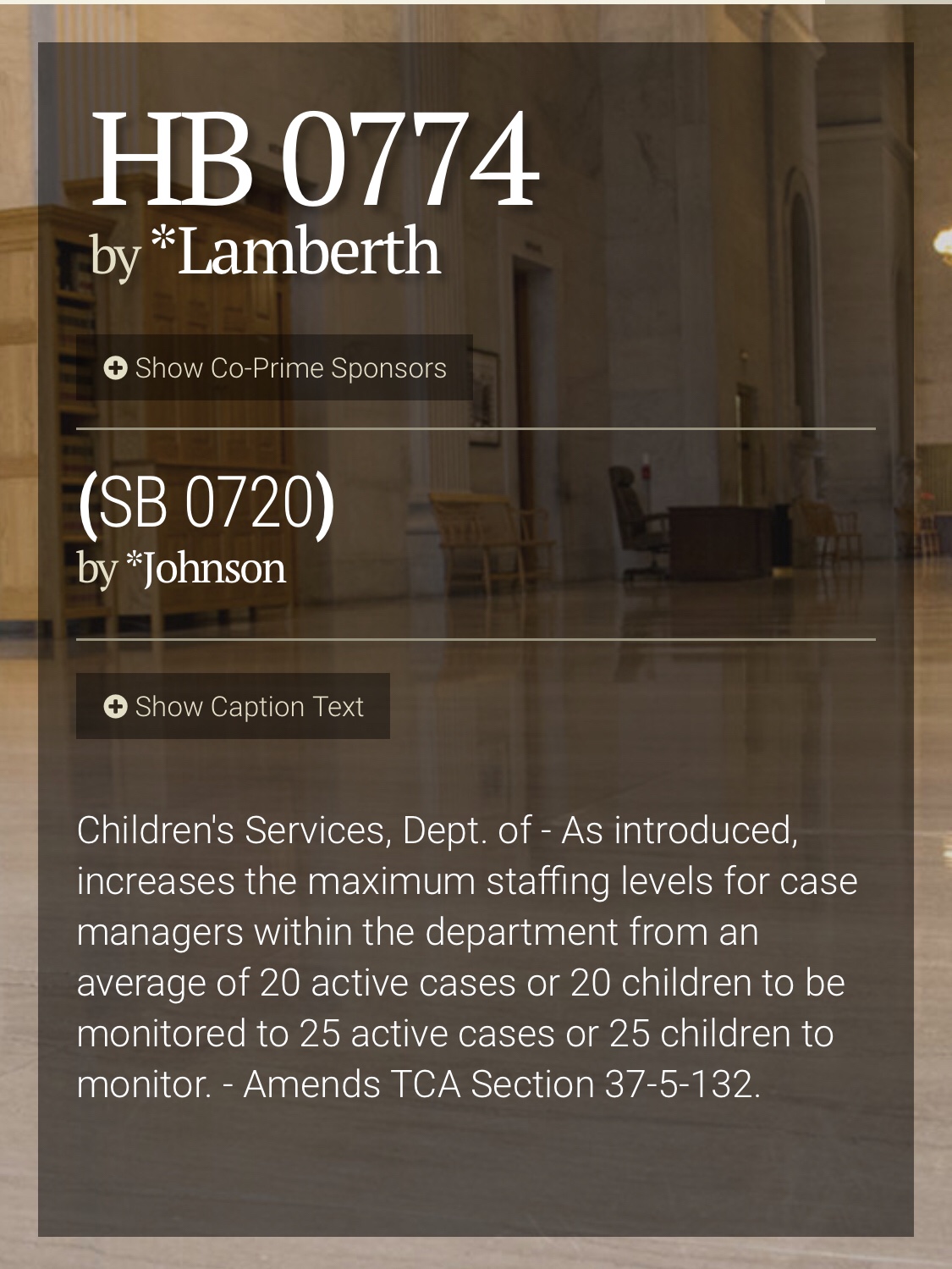
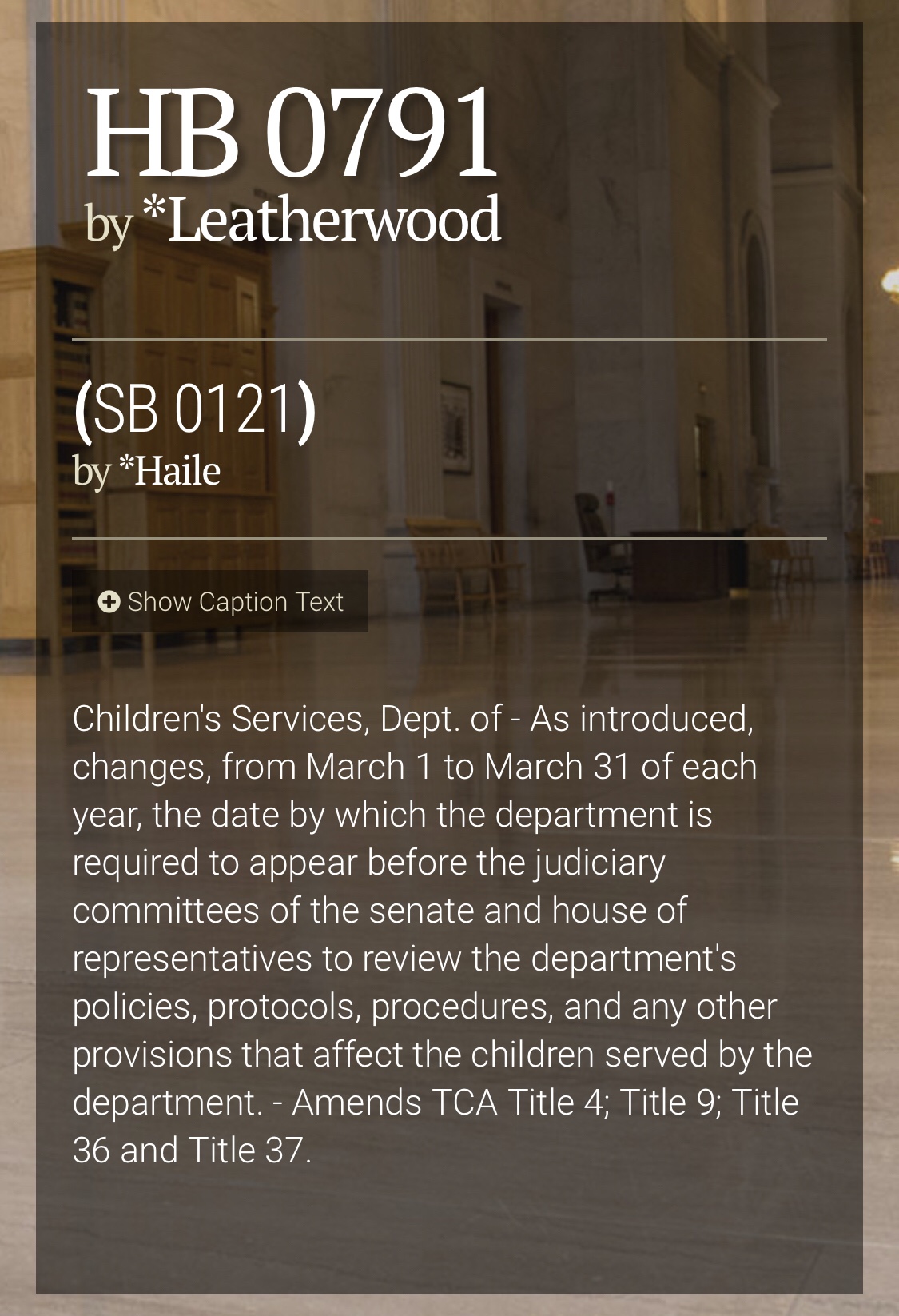
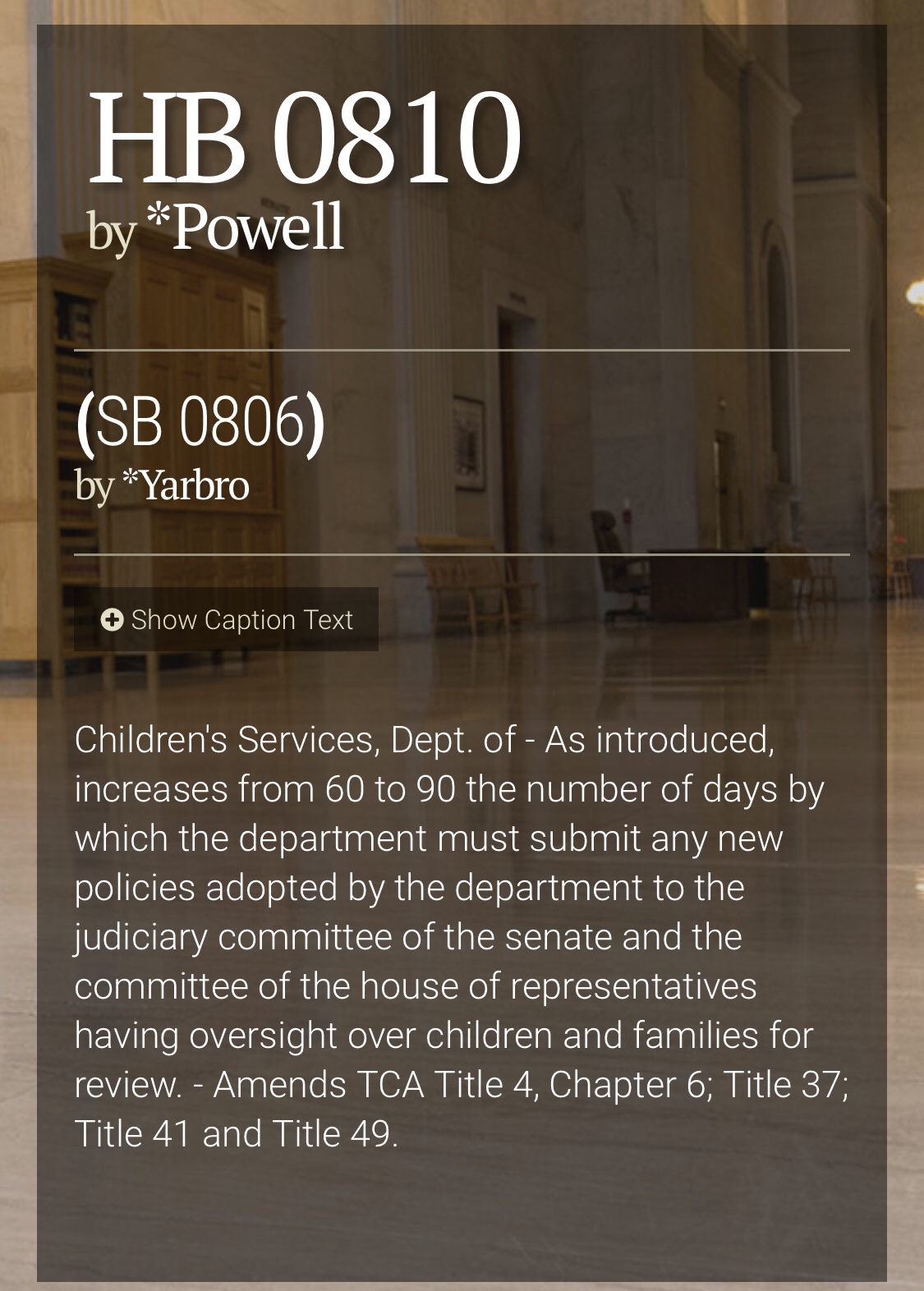










 In this case a minor child sued for wrongful removal and violation of substantive due Process rights.


 Radical Tennessee - Radically Accountable and Radically Free